
Plant-based diet, exercise needed to protect heart health
Jennifer Parks
ALBANY — A registered dietitian, nutritionist and certified personal trainer who had has had a significant personal weight loss of her own is offering insight on what constitutes a heart-healthy diet and the difference that lifestyle changes can make.
Sarah Davis, a clinical dietitian for Phoebe Putney Memorial Hospital, spoke at the monthly Phoebe Golden Key seminar last week on the importance of diet in keeping a person’s heart healthy.
The primary takeaway was to focus on a diet that is plant-based while including a healthy balance of lean meats, fish, whole grains, nuts and legumes, low fat dairy products — or soy milk, if lactose is a problem — and vegetable oils. This means consuming fruits and vegetables and heart-healthy fats to help with cholesterol, blood pressure and blood sugar control — and to also incorporate physical activity and limit intake of alcohol, sodium and added sugar.
“A lot of nutrients in foods can help control blood pressure and blood sugar better than medical prescriptions,” Davis said. “Many people know diet is important, but many don’t know why.
“People ask me whether diet or exercise is more important. Really, you need both. You can’t have one or the other and expect good heart health.”
Heart disease remains a top killer in the United States, something Davis said is unique to this country.
“There are many countries in the world where there is no heart disease at all, or it is very rare,” she said.
Age, family history, artery damage caused by tobacco use, high blood pressure and high cholesterol remain among the risk factors for heart disease, along with diabetes, poor diet, increased alcohol use — defined as more than two drinks a day for men and one a day for women — and inadequate physical activity.
By extension, obesity is a significant risk factor.
“Fat tissue is living tissue … the heart has to work harder the more fatty tissue you have,” Davis said.
By the numbers, Davis said, 77 percent of stroke victims and 69 percent of heart attack victims have a blood pressure of 140/90, slightly above the optimal 120/80. There are a number of things that can help bring the numbers down. Reducing sodium, Davis said, can reduce blood pressure, as can maintaining a healthy weight and exercising.
Tobacco cessation, on its own, can lower blood pressure significantly, she said.
A diet higher in protein and unsaturated fats can lower risk of heart disease by 20-30 percent and lowers low-density lipoprotein, also known as LDL or the “bad cholesterol,” by 20-24 points. This includes a diet consisting of 25-30 grams of fiber a day, filling up a plate halfway with vegetables, focusing on whole grains, and including beans as well as either fresh or frozen vegetables.
Canned vegetables still work, but not as a first choice. “Canned vegetables is my third choice because of the amount of salt,” Davis said.
In terms of meat, poultry without the skin, sirloin, loin, fillets and oily fish are the best.
“The oilier the fish, the better, because of the Omega-3 ,” Davis said.
Saturated fat should be limited to no more than 5-6 percent of daily calories, and trans-fats should be kept as low as possible. In terms of cooking options, grilled, broiled, baked, roasted or lightly sauteed is preferred over frying, battering, breading, loading or smothering. Fat should be trimmed off before cooking, and margarine should be avoided if it has the word “hydrogenated” listed in the ingredients, Davis said.
When cooking, lower-fat substitutions ought to be considered in recipes, and herbs and spices should be used in place of salt. Davis also cautioned for people to look for the many hidden terms for sugar in the ingredients list, including words such as molasses, syrup, honey, cane juice, fruit juice concentrate, dextrose and sucrose.
Reducing sugar means consuming 100 percent juice products, drinking low-calorie beverages, eating fresh or frozen fruit with no added sugar, and no pre-sweetened “kiddie” cereals. Reducing sodium means no processed foods, limiting salty condiments, and searching for “low sodium” on labels, Davis said.
Davis works with patients in the areas of diabetes, renal, older adult, pediatric, general medical and surgical, critical care and cardiovascular nutrition. She started out in the software industry, and after achieving a personal weight loss of 100 pounds, decided to return to school to pursue her passion for nutrition and exercise.
From her own experience, she was able to confirm that it takes more than the minimum of 30 minutes a day of exercise to lose weight — and even above the 60 minutes a day needed to maintain weight.
“I can tell you that it took 90 minutes a day for most days of the week,” Davis said. “Set realistic goals. Start where you are and keep on going (adding more). Aim for a 5-10 percent weight loss, rethink your plate and know what your triggers are (that might influence making poor choices). Have support and build in non-food rewards.”
Davis holds both bachelor’s and master’s degrees in dietetics and exercise physiology from Iowa State University, where she specialized in long-term weight loss and omega-3 fatty acid research. She holds a personal training certification from the American College of Sports Medicine and is now serving as president of the Southwest Georgia Dietetic Association.
Phoebe Golden Key, for people ages 50 and older, meets monthly and provides a fellowship opportunity for retired professionals and other friends of the hospital community as well as a chance to learn about issues impacting their health.
Related Articles
Georgia’s school funding formula still ignores poverty; educators say students pay the price
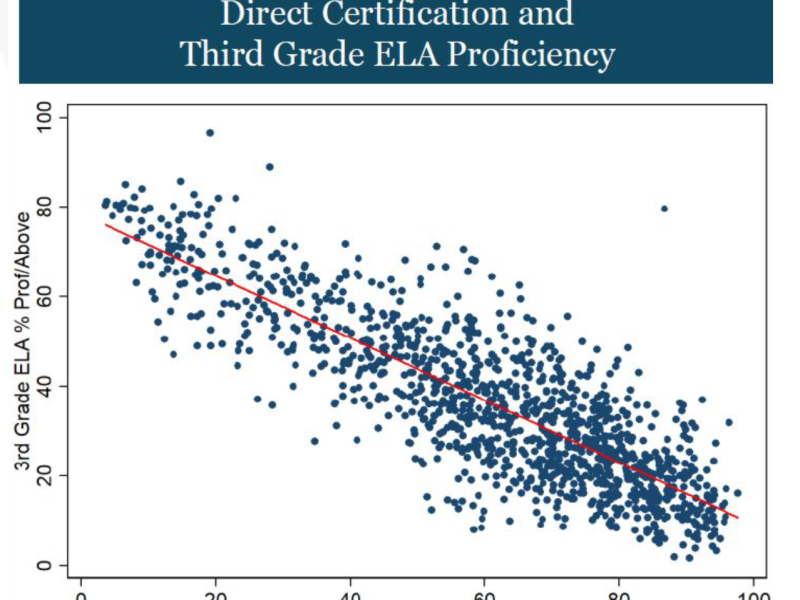
During a report to the board on the outcomes of this year’s legislative session, Dyer discussed the district’s efforts to persuade lawmakers to add an “opportunity weight” to Georgia’s Quality Basic Education (QBE) funding formula — a change supporters say would provide additional state funding for students living in poverty.

Albany Commission approves $358.2 million budget for Fiscal Year 2026-2027
The Albany City Commission approved a $358.2 million spending plan during its final meeting of the budget year that ends on June 30.
Red light violations will bring citations at a dozen Albany intersections
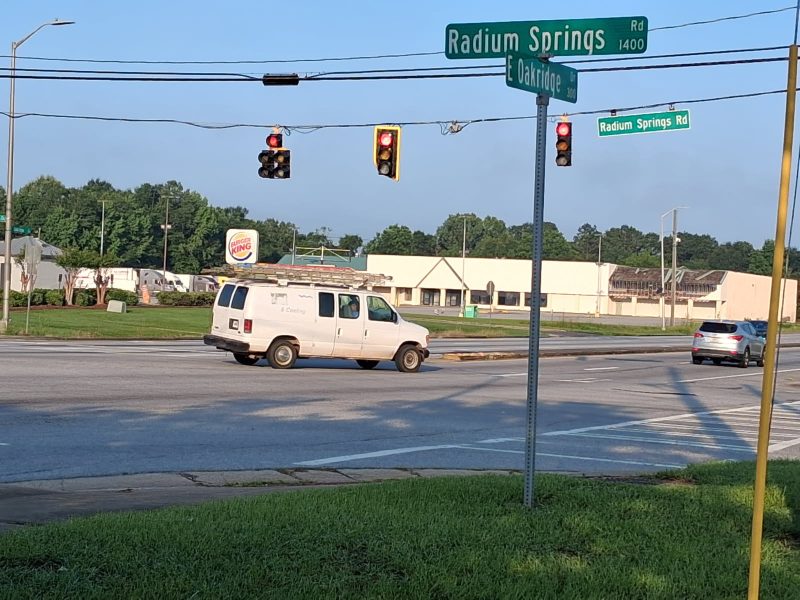
“That was always the goal of the school zone cameras, to change the behavior. It’s the same with the red lights, we want to change the behavior. When you see a yellow light, you need to slow down and prepare to stop.”
