
Koinonia Frams 75th anniversary symposium
Agenda is set for four-day event
By Cindi Cox
AMERICUS — The agenda is set for the upcoming Koinonia Farm and family reunion, planned at the historic farm Thursday-Sunday.
Highlights include:
— Thursday — Pre-symposium events will all be held at Koinonia Farm. Registration and check-in begins at 7:30 a.m. Workshops start at 9 a.m. Sessions include: Nonviolent Direct Action – Matt Meyer & Sahar Alsalahni; Moral Fusion Organizing – William Barber and Jonathan Wilson-Hargrove; Intentional Community – Shane Claiborne, Bren Dubay and friends. Lunch is served at noon. 2 p.m. All participants come together for facilitated conversation on the Poor People’s Campaign and building up a new world together. 5 p.m. registration and check-in at First Methodist Church in Americus. 6:30 p.m. Symposium opens at First Baptist Church. The opening night’s mass meeting is with the Rev. William J. Barber, who is co-chair the “Poor People’s Campaign: A National Call for Moral Revival” and Ruby Sales, resident elder of the Symposium.
— Friday — Registration and check-in at First Methodist Church begins at 8 a.m. Sharing circles start at 9 a.m. 11 a.m. sessions include: Building Up Justice with Anton Flores, co-founder of Alterna, witnesses from the New Sanctuary Movement and Ruby Sales. Lunch will be served at 12:30 p.m. at the church. 2 p.m. sessions include: Building Up Peace with Kathy Kelly, veteran peace activist and founder of Voices for Creative Nonviolence, witnesses from the Fellowship of Reconciliation and Ruby Sales; Testimonies from Jonah McDonald, Peacebuilders Camp, and Sahar Alsahlani. A tour of Koinoinia Farm and additional workshops will start at 4 p.m. 8 p.m. “The Cotton Patch Gospel Musical” will be performed at the Rylander Theater.
— Saturday, sharing circles start at 9 a.m. Workshops begin at 11 a.m., including Building Up Community with Shane Claiborne, witnesses from the new monasticism and Ruby Sales; testimony from David Johnson and the Bruderhof. 12:30 p.m. lunch will be served at First Baptist and First Methodist churches. 2 p.m. workshops will continue at Koinonia Farm followed by a 4 p.m. mass meeting and symposium closing, led by Jonathan Wilson-Hartgrove and co-hosts.
— Sunday, reunion event at Koinonia Farm starting with a brunch served at 11 a.m. The gathering will last throughout the afternoon and will include a showing of the “Briars in the Cotton Patch” film. Attendees are invited to stay for gathered worship starting at 6 p.m.
Throughout the Symposium, information and skill-sharing will be offered on themes including “Friendship-driven Politics” with Marcus Rempel; “Roots and Power of African-American Resistance & Worship” with Josina Guess, Lora and Solomon Smothers; “Love Crosses Borders” with Anton Flores-Maisonet; “Finding Freedom From Slaveholder Religion” with Jonathan Wilson Hargrove; “The Movement Makes Us Human,” Joanna Shenk on the wisdom of Dr. Vincent Harding; and “Vocation as Recovery, Resistance, and Renovation,” with Tim Otto and friends.
In a mixture of storytelling and song, the “Roots and Power of African-American Resistance & Worship” will explore the roots of popular freedom and protest songs that emerged from African American communities in the South and have been embraced as freedom songs by people around the world. Participants will learn some original songs from contemporary freedom movements as well.
Josina Guess is a freelance writer and homesteader with her husband and children in Comer. A former member of the Koinonia board, she lived for six years at Jubilee Partners, a daughter community of Koinonia.
Lora Smothers teaches at Athens Christian School. Former CEO of the Freedom to Grow Unschool in Hull, Ga., she sings with her husband, Solomon Smothers.
Although well-known for his leadership in the struggle for racial reconciliation, Clarence Jordan’s greatest hope lay outside the realm of activism and protest. Inspired by the Sermon on the Mount and Acts 2 and 4, he said believed that the solution to the problems of racism, war, and poverty was a communal life of koinonia, not merely the attainment of equal rights. In pursuit of this vision, Jordan participated in the vibrant conversation between the American intentional communities of his day, including Celo, Forest River colony, Macedonia, and Woodcrest Bruderhof. In “We Belong Together,” Jordan’s vision for unity among American intentional communities, he was at his best.
For speaker bios, additional workshop session descriptions and other information, visit the Koinonia Farm Symposium website at www.koinoniafarm.org/symposium.
Related Articles
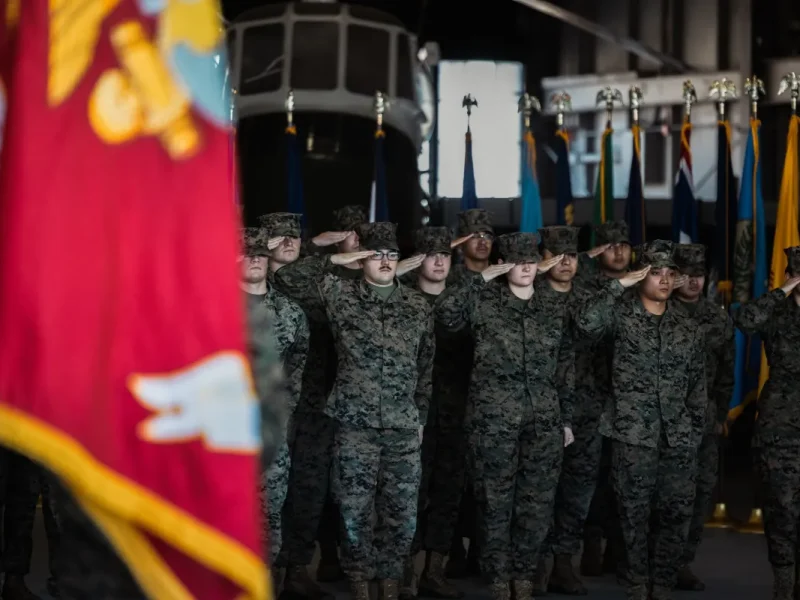
‘Sounds Like a Mutiny.’ Secret Recording Exposes Claims of Toxic Leadership After a Marine’s Suicide
This week’s War Horse story follows the systemic failures before and after the death of Cpl. Drew Mobley who was the third in two years at Marine Corps Base Quantico to die by suicide.
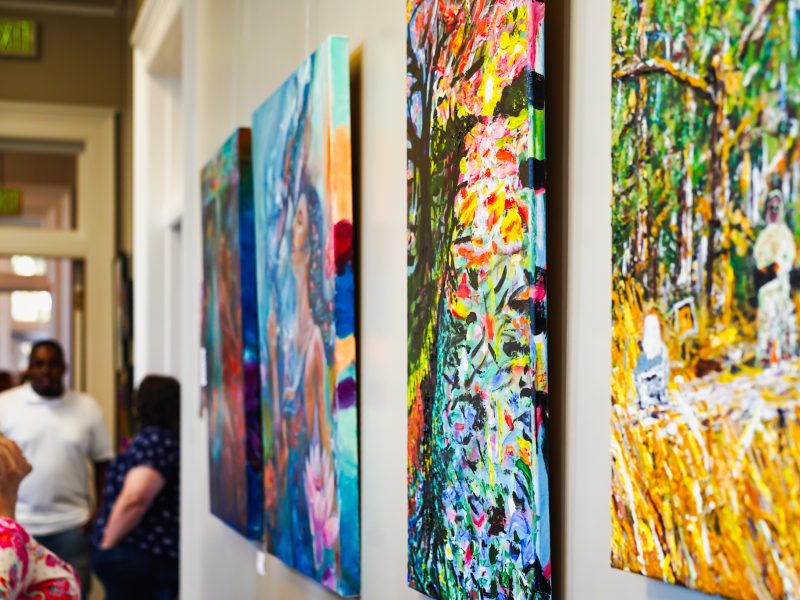
Southwest Georgia artists recognized at packed opening of exhibition
The annual juried exhibition, one of the region’s largest showcases of visual art, features approximately 46 artists and nearly 90 works spanning painting, sculpture, ceramics, photography and mixed media.
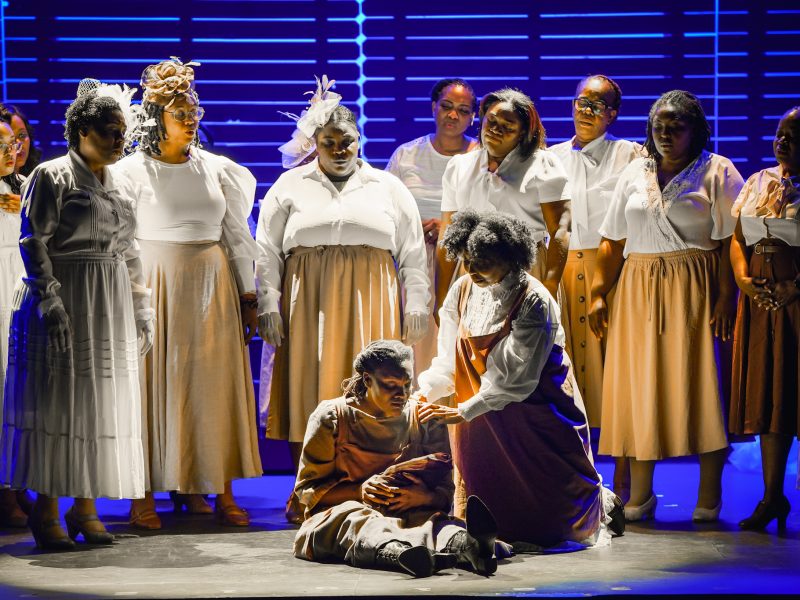
Powerful performances drive Theatre Albany’s ‘The Color Purple’
From the street, strands of purple ribbon wind around the white columns of the historic theater, hinting at the story waiting beyond its doors. Inside the foyer, a carefully curated slideshow flickers across a large screen, cycling through the faces of the cast. Some are seasoned performers. Others are stepping onto a stage for the very first time. Teachers stand alongside former students. Parents perform beside their children. People who worship in different churches, work different jobs and come from different corners of Southwest Georgia gather beneath the same lights to tell the same story.
