
New biomass plant should be operational within next 90 days
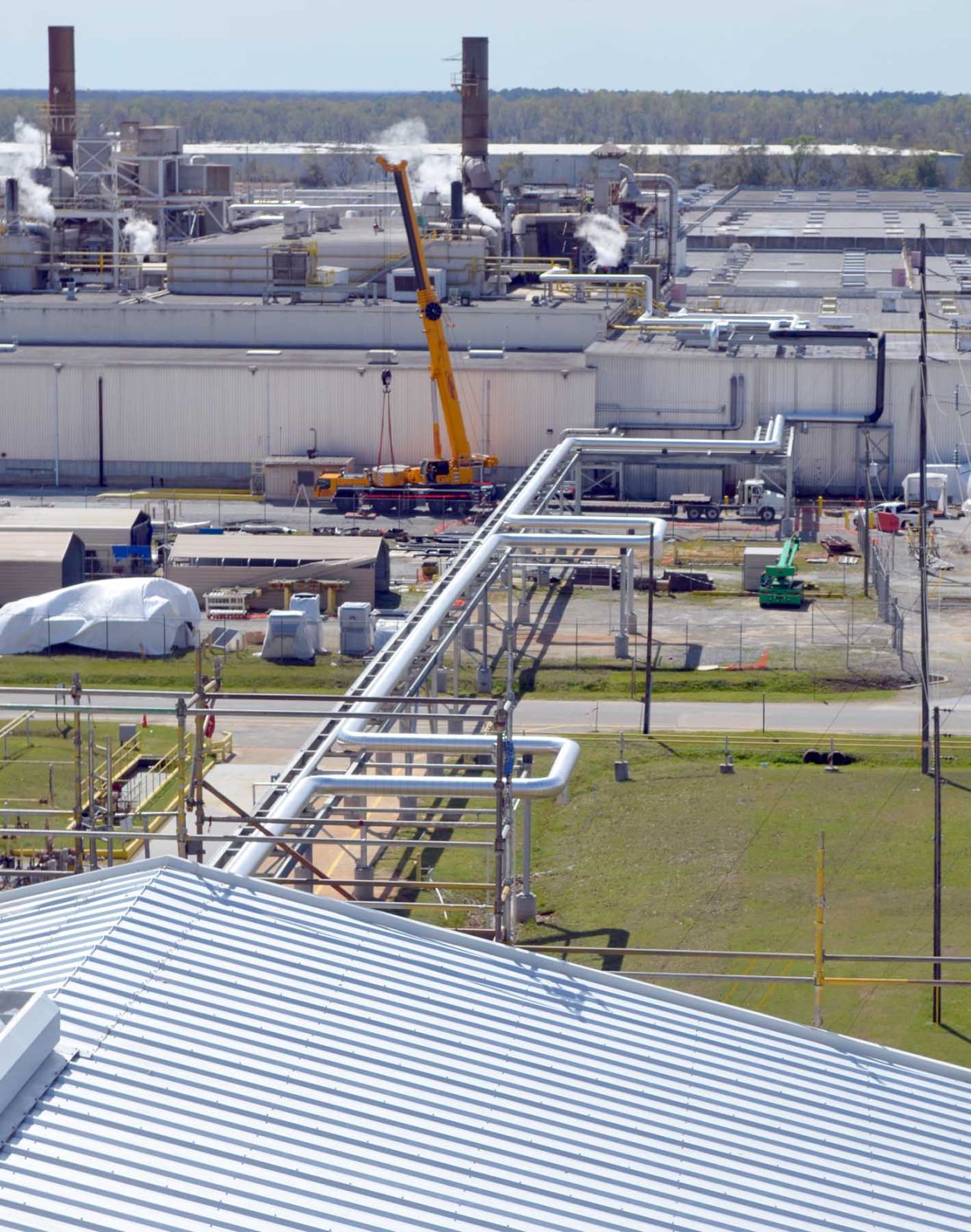
Biomass plant should start supplying steam to P&G by mid-summer
By Brad McEwen
ALBANY — After years of assembling some very complex pieces, officials close to the project to build a renewable energy biomass cogeneration facility adjacent to Albany’s Procter & Gamble say things are progressing as planned and that the $200 million plant should begin producing energy and steam for its customers in the next few months.
“The project is in its final stages of completion,” said Brenden Quinlivan, executive director of distributed energy origination for Constellation, the energy company that will operate the facility once it’s completed. “There’s going to be a defined testing period, both for the power and the steam that the project will generate, and that will take its own course over, let’s call it, the next 90 days.
“Then sometime, let’s call it mid-summer, the plant should achieve full commercial operation at which point it would be selling the power that it’s contracted to sell to Georgia Power under the 20-year power purchase agreement and then the steam that we’re contracted to sell over a 20-year period to P&G as well.”
The agreements Quinlivan mentioned are two of the multiple parts of a massive project that saw several entities come together to bring the 50-megawatt cogeneration biomass facility to Albany, where it will produce energy for Georgia Power, steam for P&G and steam that will be converted to energy for Marine Corps Logistics Base-Albany.
In fact, that the project came together at all, Quinlivan said, is a testament to the power of private and public partnerships between multiple entities forged over several years, all with the purpose of meeting multiple energy needs.
“This project is very unique,” said Quinlivan, who typically focuses his efforts on Constellation’s solar power production projects but has been involved with the biomass facility since the project’s inception. “This is not an off-the-shelf typical, you know, backyard renewable energy project. It is absolutely something that was tailored, customed to several different needs.”
Those needs, Quinlivan explained, first surfaced when Georgia Power began looking for power produced from biomass renewable systems roughly five years ago. A developer involved in the project, Sterling Energy, ultimately won what Quinlivan called “the Georgia Power RFP (request for proposal)” and began looking for a place to build a facility that could produce the requested energy.
Because the sale of the power alone would not be sufficient “to support the economic construction of such a facility,” Quinlivan said, “a steam off-take needed to be identified.”
“That’s when we stepped in alongside Sterling Energy, and that’s really when the pieces of the pie came together so fast,” he said. “They had the Georgia Power RFP, of course, for the power itself, and we and they and P&G negotiated to bring P&G to the table to, No. 1, host this facility at P&G’s site and then, No. 2, contract for a 20-year steam service agreement to take all the steam that we were producing and that they needed.”
Procter & Gamble’s steam needs turned out to be not only an important piece of the puzzle, but one of the major drivers of the project coming to fruition.
According to P&G Global Product Supply Systems Leader James McCall, who helped pull the project together, P&G’s commitment to reducing its global footprint by increasing its use of renewable energy is at the heart of the biomass cogeneration plant project.
“We kind of spearheaded the project,” said McCall. “P&G has a long-term goal to be 100 percent renewable across all of our manufacturing sites. That’s really kind of our long-term vision. In the short-term, though, we’ve made a commitment to be 30 percent renewable by 2020, which is significant because it’s both on our electrical and our thermal energy.
“So to make sure we can be 30 percent renewable by 2020, we needed to be able to do both small, on-site projects around the world and then also make some really big bets. Albany is one of our really big bets.”
McCall said the steam produced by the biomass facility, which will provide 100 percent of the plant’s renewable energy, combined with the energy produced from a wind farm project the company is involved with in Tyler’s Bluff, Texas — where the company makes some of it’s Fabric and Home Care products like Tide and Swiffer — will get the company about halfway to its 2020 goal.
“Basically, between Albany and a recent wind partnership we just launched in Texas, those two large-scale projects basically double P&G’s use of renewable energy,” said McCall. “So it’s going to take us from our current 10 percent to nearly 20 percent as those two projects come online. The wind came online at the end of the year, and Albany’s due to come up this summer.”
While the Texas wind project is certainly an important piece of P&G’s sustainability goals, McCall did say that the Albany project stands apart based on its scope.
“We do have some other large projects, but Albany is unique in the sense that it is P&G’s single-largest renewable energy project globally,” he said. “Albany is by far the largest, and it’s our single-biggest renewable energy commitment in our company.”
Although locating the biomass facility in Albany also strengthens the long bond the company has with the community, Albany was actually “hand-picked” to be the site of the project for multiple reasons.
One such reason, McCall said, is the fact that the Albany site had already been operating an on-site biomass plant for nearly three decades. That on-site facility had been supplying roughly 30 percent of the energy needed for the plant to manufacture its Bounty paper towels and its Charmin toilet tissue. So bringing in the new biomass facility serves to increase that renewable energy percentage.
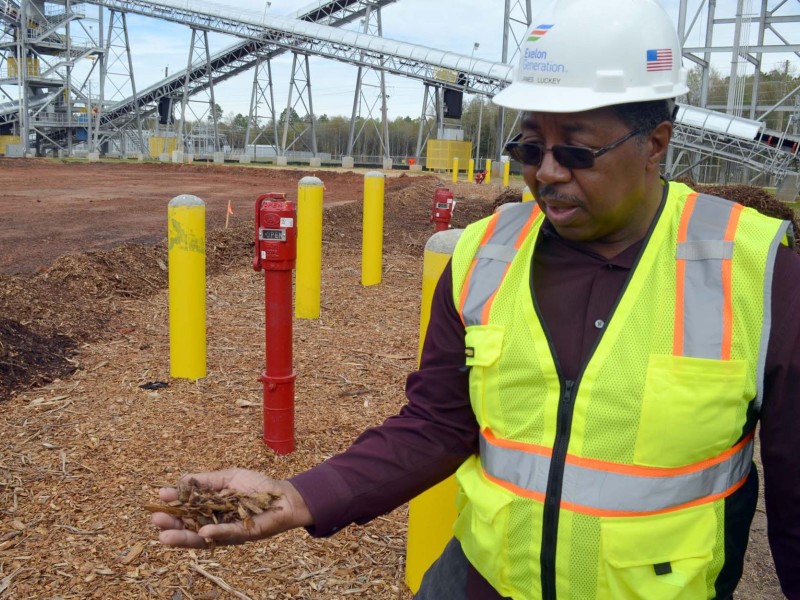
The new biomass facility will produce 100 percent of P&G’s steam needs and up to 60 to 70 percent of the total energy needed to run P&G’s Albany paper facility. That translates into 425,000 pounds per hour of renewable process steam and 385,000 megawatt hours of electricity annually.
“We’ve had an on-site biomass facility there for the better part of 30 years,” said McCall. “So if you look at the Charmin and Bounty plant there, we have been using renewable biomass variable steam to make our products for 30 years. So sustainability is not a new thing for them there.
“What we said was, ‘How do we take that and increase the size and the scale?’ We wanted to expand our use, and we could either do that internally or we could go out and look for innovative partners to help. That’s where Constellation comes in.”
With Constellation involved, that meant P&G was now working with multiple partners, including Georgia Power. Additionally, both McCall and Quinlivan pointed out that the project could not have moved forward without additional support from local entities like the Albany-Dougherty Economic Development Commission and the Albany-Dougherty Payroll Development Authority, which helped bring the deal together on the P&G property.
Other entities, like the World Wildlife Fund and DCO Energy, which is the company building the biomass plant, played key roles as well, as did MCLB, in helping to bring what McCall called a “multi-leg project” together.
“The long and short of it, this deal would not have occurred if it wasn’t for the public and private partnership,” said Quinlivan. “I mean, you’re talking about Procter & Gamble, Georgia Power, Constellation, Marine Corps Logistics Base, the development authority, who enabled the use of the land (with) appropriate financial accommodations for building the project.
“I know I’m probably missing folks. You’re talking about seven to eight key partners that had to negotiate a $200 million plant. That’s a lot of moving parts, but we’re proud it was accomplished.”
Part of that pride comes from the fact that the structure and construction of the biomass facility project, which includes a power off-take with a local utility, a steam off-take with a commercial industrial customer and a steam off-take with a federal customer, is “exceptionally unique,” said Quinlivan.
“I don’t want to go so far as saying that it’s the only structure of its type in terms of business structure, but it is one of the few that has that type of business structure in North America. We don’t know if it’s the only one or not, but it’s one of the few.”
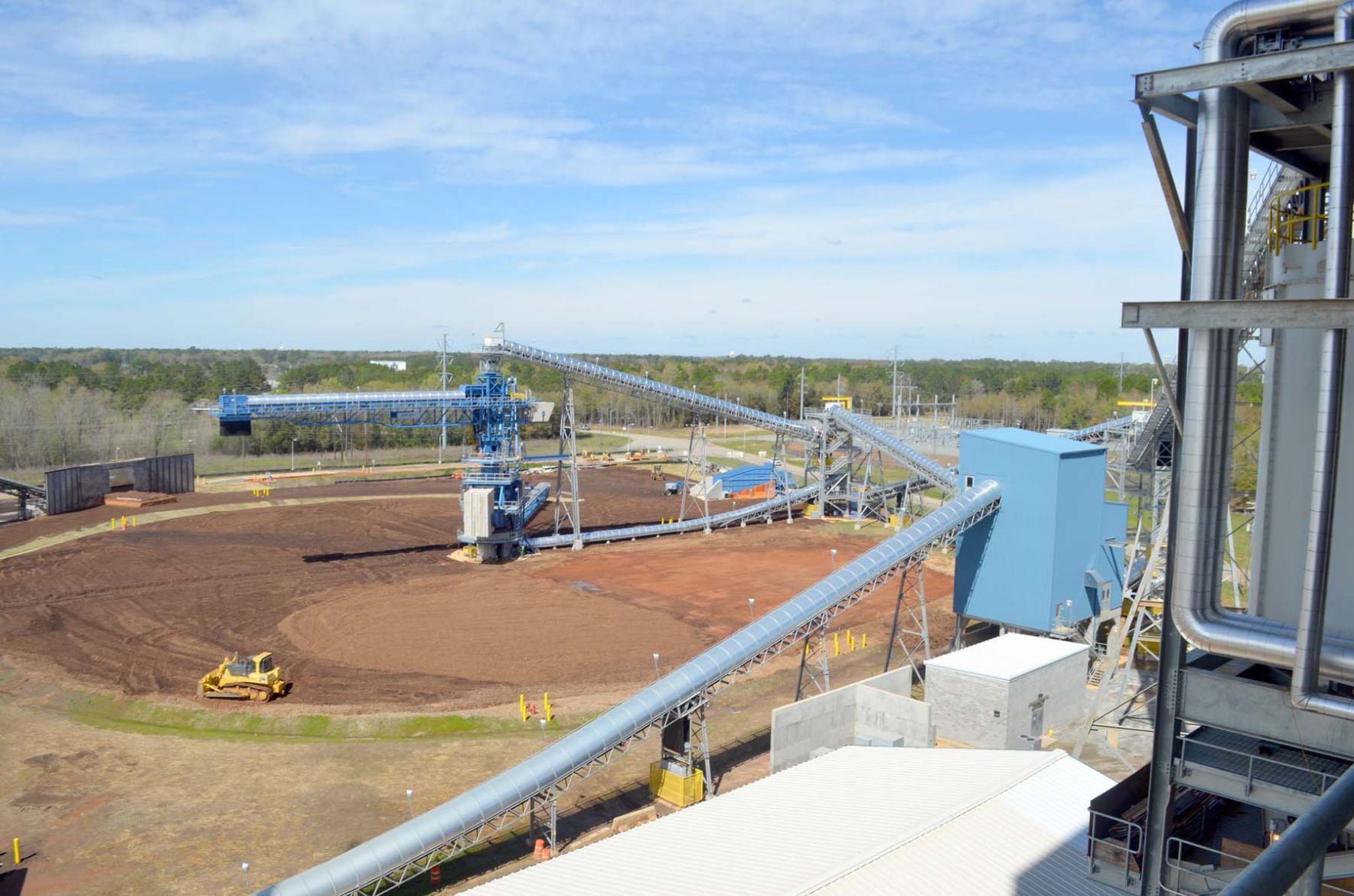
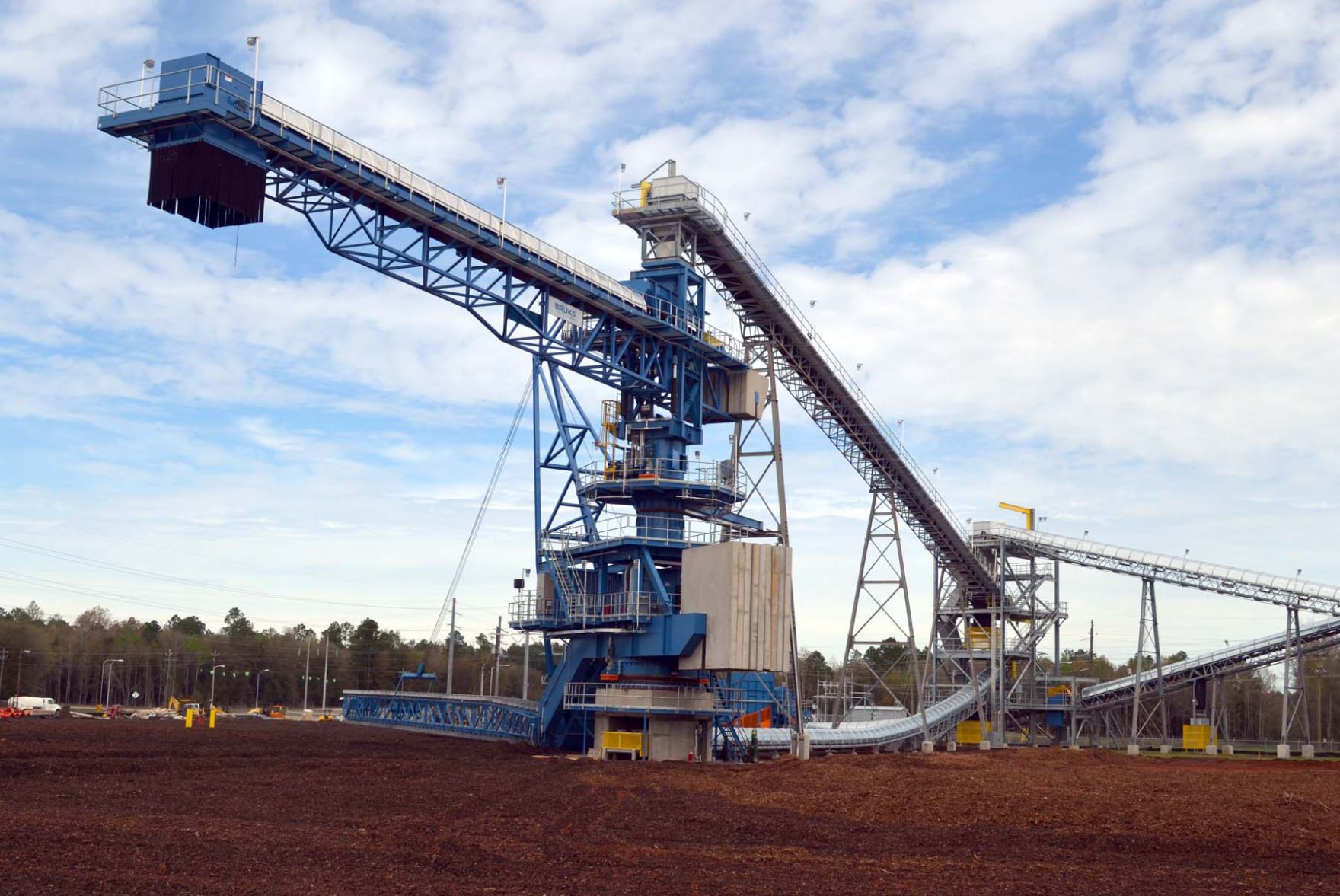
Interestingly, Quinlivan pointed out, biomass in and of itself is not overly unique, having been in existence for decades, as evidenced by P&G’s original biomass system. Biomass systems can be fueled by many different types of products, Quinlivan said, with the plant in Albany being fueled mainly by using scrap wood from area forests.
In fact, that fuel source played a hand in bringing the project to Albany, which is nestled in the heart of what Quinlivan described as one of the most fertile “wood baskets” in the country.
“I don’t know if you’ve heard of the term ‘wood basket,’ but it’s a phrase that I learned about during my time on this project,” he explained. “The ‘wood basket’ in that several hundred-mile region of Georgia (which includes the area where the biomass plant wood will come from) is one of the most productive and resource-abundant wood baskets in the United States.
“So this project is also only viable because there has to be an abundance of this waste wood that we’re using to fuel the system. And in many other places in the country, we just don’t have that. We don’t have the fuel supply that is needed to produce such a significant portion of the power and steam that we’re doing here.”
The presence of readily available fuel is something McCall touched on as well. He said P&G takes a certain pride in knowing that the company’s sustainability measures and its drive to diminish its environmental footprint expand outward and are not just something that impact the company.
“In this case, we’re really focused on a lot of the renewable aspects,” said McCall. “Albany’s in a unique location because there’s such a high abundance of an underutilized resource. If you think about all the pecan shells, peanut hulls, the forest residuals like the forest tree tops, the tree limbs, we’re able to get sustainably sourced waste material to run this facility all from a very local range.
“All of the fuel is going to come from 50 to 100 miles of the facility, so for us, we already had the experience of the biomass there, we had the opportunity of a locally abundant supply. We have one of P&G’s largest global facilities, with a very high heat load, so it’s the ideal situation.”
The fuel sourcing also brings additional players into the project as Constellation has contracted with a supplier, Georgia Renewable Supply, which has in turn negotiated deals with local and regional haulers to provide the scrap wood.
“We’ve hired a fuel supplier that is going to be working with many local and regional haulers and fuel suppliers within about a 100-mile radius of the plant, and they’re all going to be pulling wood out from the forests,” said Quinlivan. “And some of these forests are already being used by other companies that are using, I would say, the core of the wood.
“They’re using that for higher-quality needs for wood. And then, in many cases, the tree limbs and tree roots are just ground up and decompose on the forest floor. So opposed to letting that occur, these haulers are processing the waste wood and then it is drying for certain periods of time with the haulers and also then onsite in our fuel yard.”
In addition to the economic boost the plant will produce in terms of creating work for those haulers, the biomass facility is generating jobs in the area as well. Quinlivan said once operational, the plant will employ roughly 30-35 workers on a full-time basis.
He said part of that employee base will be made up of P&G’s existing biomass facility staff, while other jobs will be filled by existing Exelon Energy (Constellation’s parent company) staff who will be brought in to work. Outside of the full-time staff, however, Quinlivan said the biomass facility will create additional job opportunities throughout each year.
“In terms of overall staff, which we call our O and M, our operations and maintenance staff, that’s going to be in the range of 30-35 folks, full-time over the next 20 years,” he said. “And about 50 percent of those folks are local hires, and 50 percent of them are specialized positions that are going to be transferred in from other Exelon Energy plants.
“In addition, these types of plants have to be shut down during the year. This facility will be shut down twice a year, and during the shutdown there’s going to be a significant amount of local contractors that are hired for manpower support for all the maintenance that will occur during those twice-a-year shutdowns.”
While under construction, the facility also generated more than 400 jobs for contractors working to put the facility together so it could be operational by the 2017 target date that was set.
That target has been met with James Luckey III, the plant manager of what is formally called the Albany Green Energy plant, saying staff planned to fire up the boiler for a test run March 15.
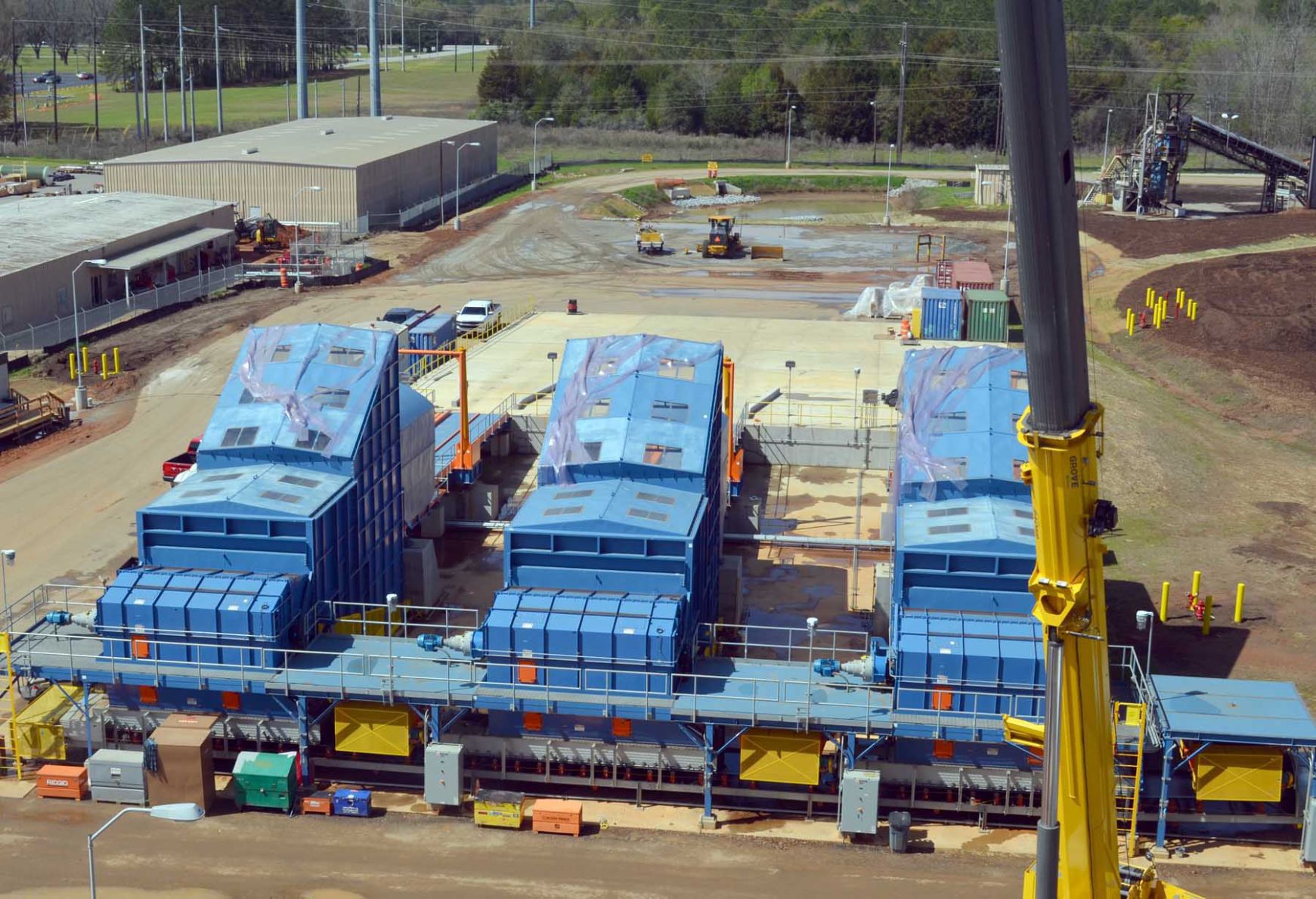
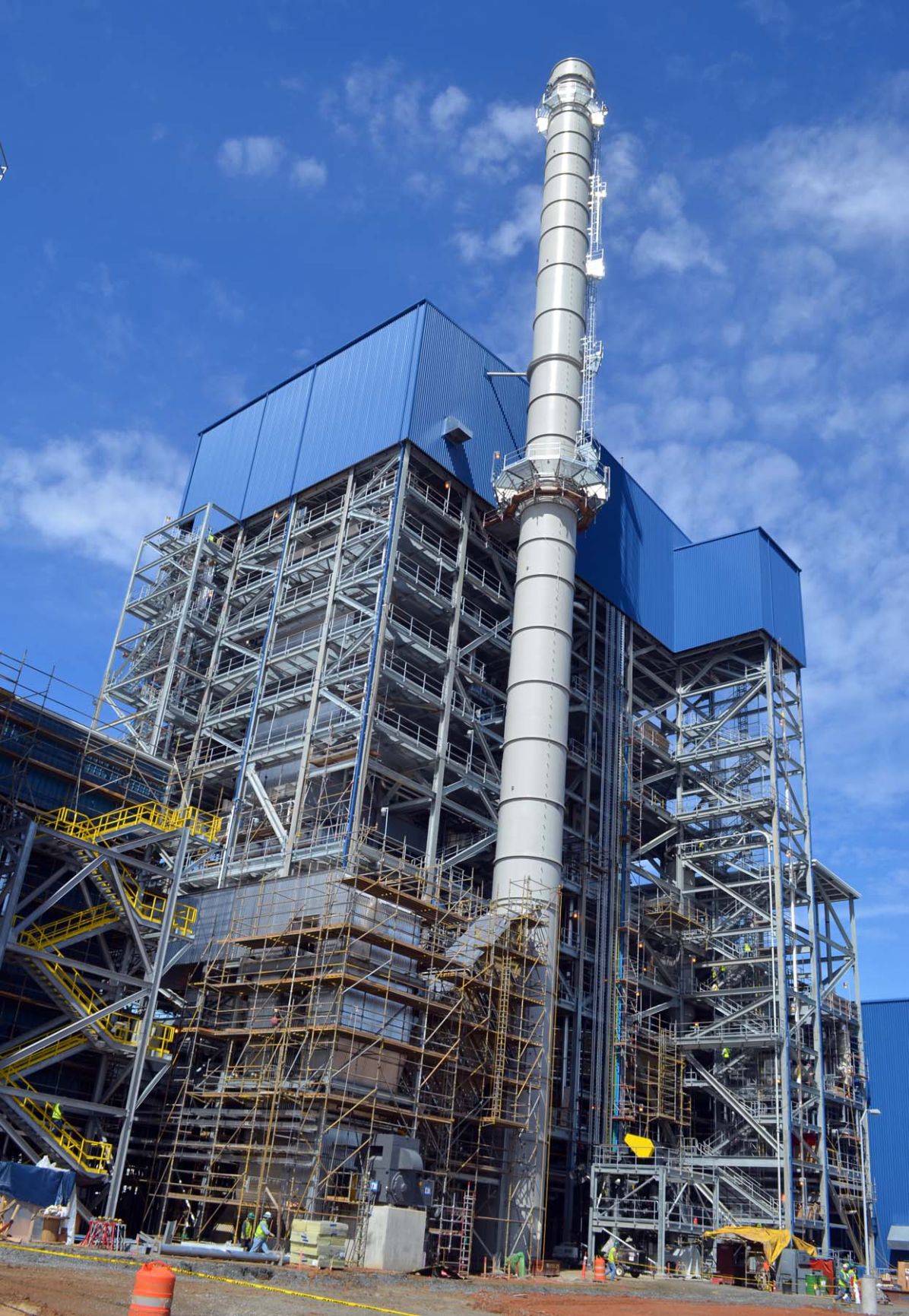
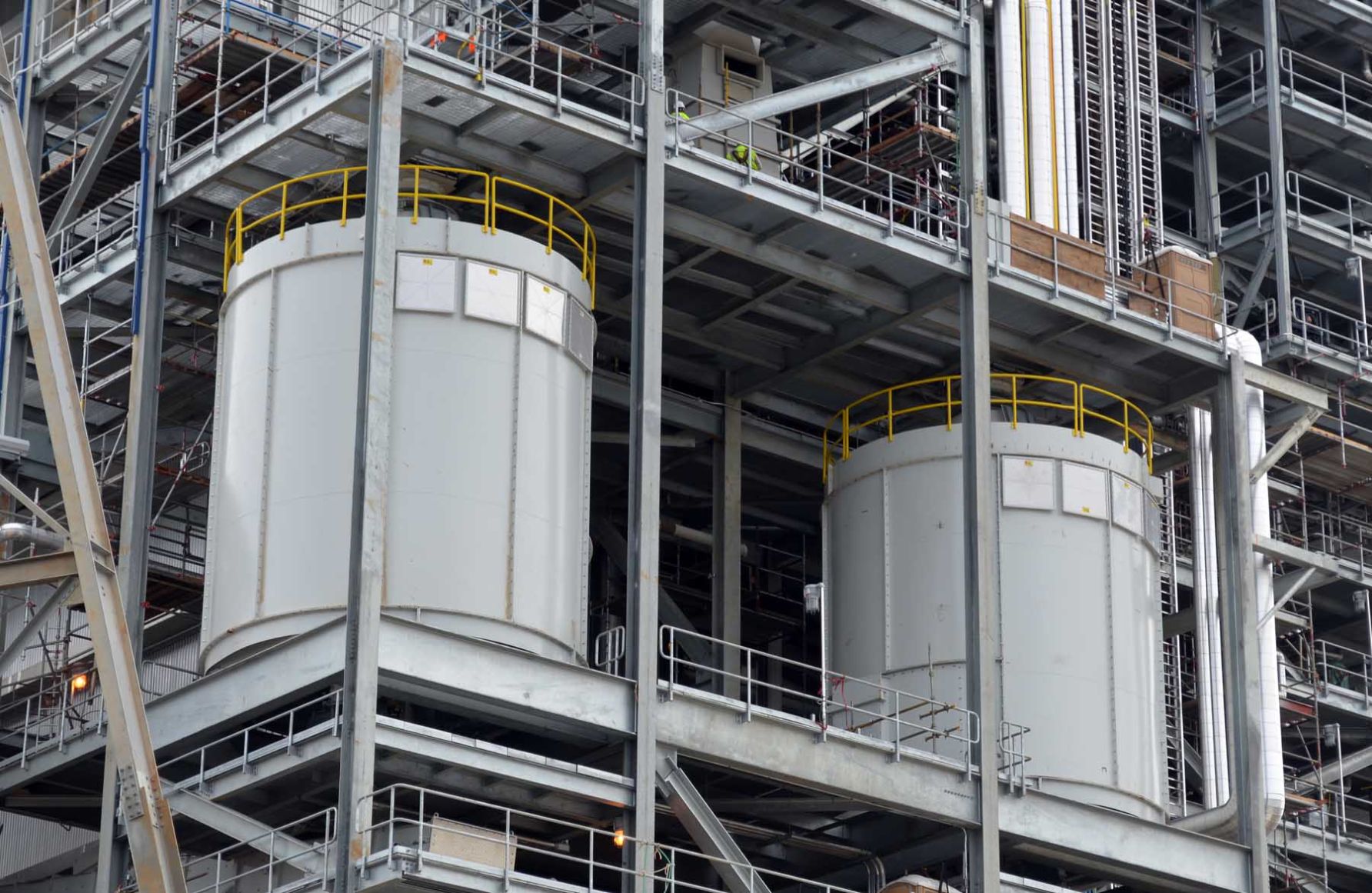
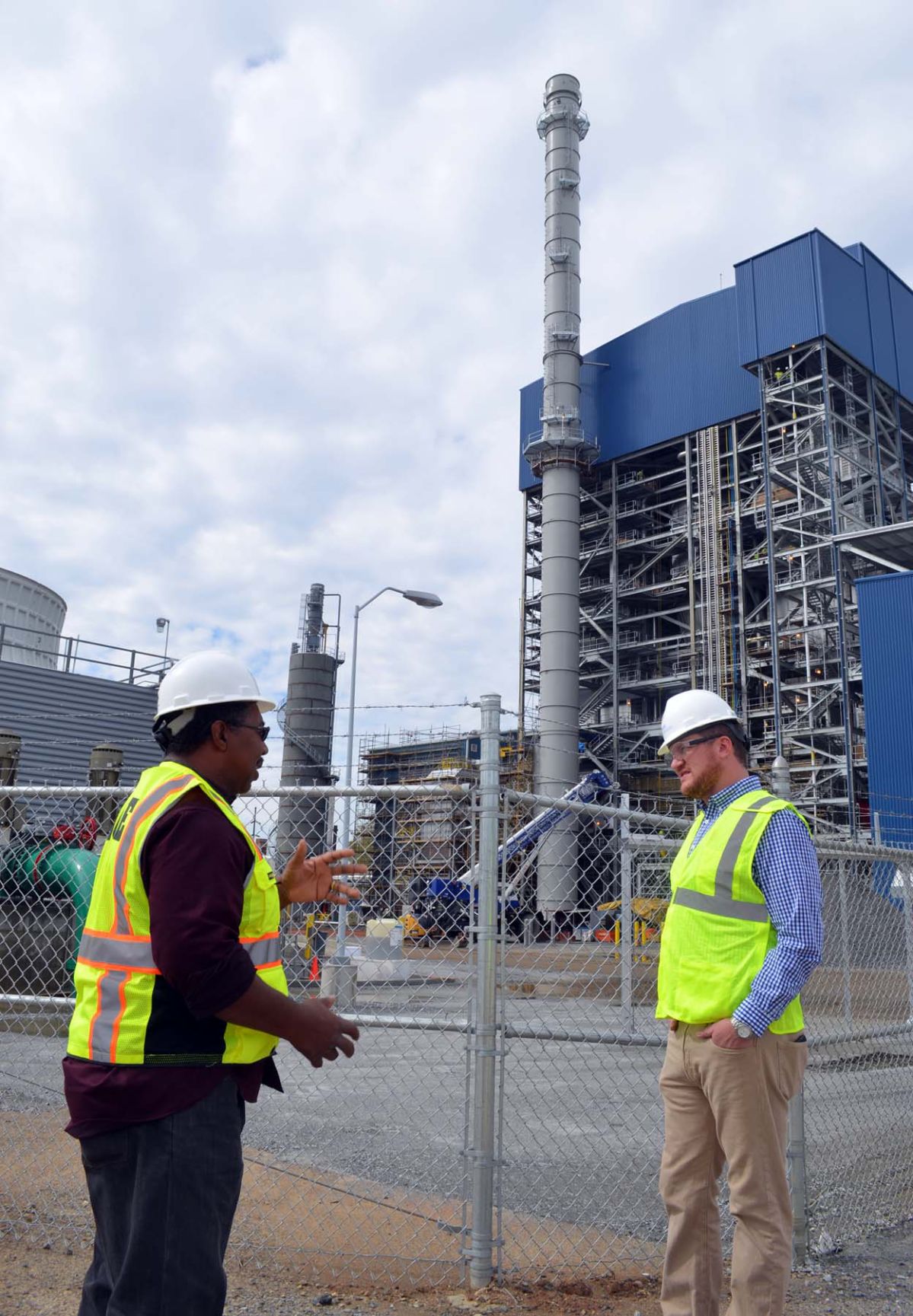
If everything works as it should and the biomass facility begins producing its contracted energy and steam this summer, it will stand, thanks to the 200-foot boiler facility with a 300-foot stack, as a testament to cooperation and teamwork and what can be achieved through public and private partnerships.
Related Articles

‘Sounds Like a Mutiny.’ Secret Recording Exposes Claims of Toxic Leadership After a Marine’s Suicide
This week’s War Horse story follows the systemic failures before and after the death of Cpl. Drew Mobley who was the third in two years at Marine Corps Base Quantico to die by suicide.

Southwest Georgia artists recognized at packed opening of exhibition
The annual juried exhibition, one of the region’s largest showcases of visual art, features approximately 46 artists and nearly 90 works spanning painting, sculpture, ceramics, photography and mixed media.
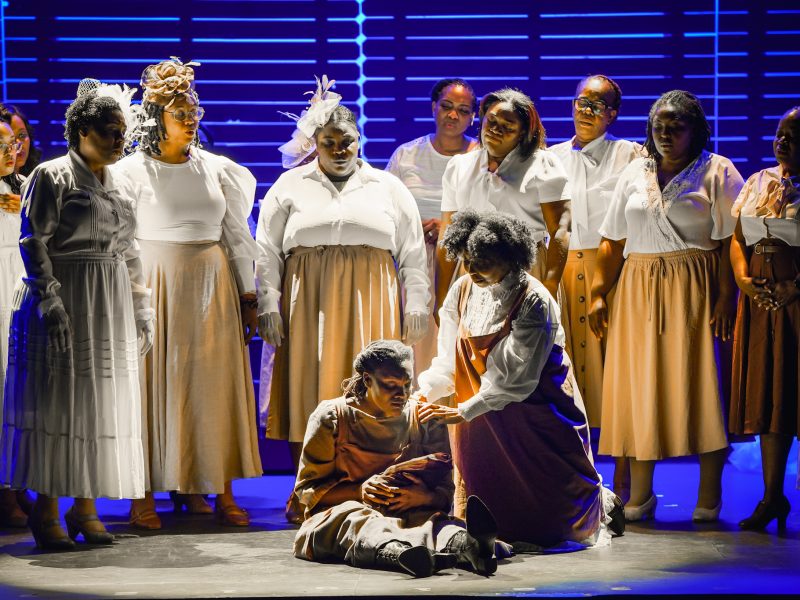
Powerful performances drive Theatre Albany’s ‘The Color Purple’
From the street, strands of purple ribbon wind around the white columns of the historic theater, hinting at the story waiting beyond its doors. Inside the foyer, a carefully curated slideshow flickers across a large screen, cycling through the faces of the cast. Some are seasoned performers. Others are stepping onto a stage for the very first time. Teachers stand alongside former students. Parents perform beside their children. People who worship in different churches, work different jobs and come from different corners of Southwest Georgia gather beneath the same lights to tell the same story.
