
Restored Flats at 249 receives Georgia Trust award
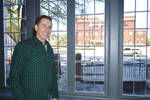
File Photo: Carlton Fletcher
File Photo: Carlton Fletcher
File Photo: Carlton Fletcher
File Photo: Carlton Fletcher
From Staff Reports
THOMASVILLE — The Historic Thomasville Post Office in Thomasville, the New Albany Hotel in Albany, the Coleman-Talley offices in Valdosta, Leesburg Train Depot in Leesburg, and the H.H. Tift Building and Agricultural Research Building at the Tifton campus of the University of Georgia received statewide preservation awards from the Georgia Trust for Historic Preservation during its 42nd annual Preservation Awards ceremony in Albany.
All five buildings received awards for Excellence in Rehabilitation, which recognizes projects that make compatible use of a building through repair, alterations or additions while preserving features of the property that convey its historic value. This year the Trust presented eighteen Excellence in Rehabilitation awards.
New Albany Hotel, 249 Pine Avenue, Albany
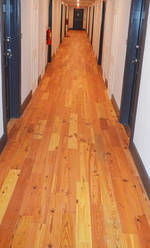
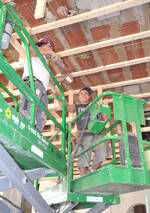
In the 1920s, Albany was a major hub of railroad activity where seven rail lines and more than 35 trains passed through the city each day. Hotels were sorely needed, and in 1925, the New Albany Hotel was built. Constructed in the Georgian Revival style, the hotel recently underwent a rehabilitation that included the cleaning and repairing of all exterior masonry and restoration of historic windows where possible. Inside, plaster ceilings were retained, repaired and repainted. Historic ceilings with cedar beams in the first-floor sitting area and central lobby were refinished. Modern conveniences are now in place throughout the building as it serves downtown Albany as an apartment complex known as the Flats at 249.
Historic Thomasville Post Office, 135 N. Broad Street, Thomasville
The Historic Thomasville Post Office was built in 1914 and served as the city’s post office until 1964. In 2015, Flowers Foods purchased the historic building and began a full rehabilitation. Extensive trenching and roof repairs were made to waterproof the building. Using the original building plans as reference, the front doors and the outside of the building were restored to their 1915 appearance.
The lobby’s classic features, including the flooring, windows, wainscoting, pilasters, and the historic staircase were preserved. The postmaster’s secret walkway also was maintained.
On the lower level, wooden chevron-patterned doors were restored, windows uncovered, original brick walls and concrete ceiling retained. On the second floor, the terrazzo stone floor with Tennessee pink marble stone borders and baseboards, rift-cut heart pine floors, original windows, doors and hardware were restored. New HVAC, plumbing and electrical, and the installation of an elevator shaft provided Flowers Foods with the amenities of a modern facility for office space and a history exhibit in the lobby — all inside a building that matches the history of their company.
Coleman Talley Offices, 109-111 S. Ashley Street, Valdosta
Built in 1897 and 1902, these buildings began as a wholesale grocery store and paint supplier but had for many years remained unimproved. The recent rehabilitation project by the Coleman Talley law firm represents the second-largest private investment in the Historic Valdosta Commercial District. Retained historic elements include an early 1900s fireproof vault, hanging gears from two freight elevators, decorative railing and staircases. Alterations included adjoining the two buildings with the addition of an elevator and staircase, and modernizing office space. Throughout the building’s interior, decorative touches salute the building’s rich history, including past tenants such as Coca-Cola, a furniture store and a salvage company.
H.H. Tift Building and Agricultural Research Building, Tifton campus of the University of Georgia
The two earliest buildings on the University of Georgia Tifton Campus, constructed in 1922 and 1937, respectively, had suffered years of weather and wear, leading to significant deterioration. Recent campus growth required more space for scientists and support offices, and reclaiming these historic buildings became imperative. The exterior envelopes of each building were restored to the original designs using the original drawings and archival photographs. The existing brick and stucco were repaired, repointed and cleaned. The wood windows of the Tift Building and steel windows of the Agricultural Research Building were carefully restored and reglazed. Original features such as beadboard ceilings and wainscoting were preserved along with the original transoms above the doors. The buildings were also made accessible with the addition of handicapped ramps and elevators. These early campus buildings now accommodate faculty and departmental offices while retaining their historic integrity.
Founded in 1973, the Georgia Trust for Historic Preservation is one of the country’s leading statewide, nonprofit preservation organizations. The Trust works for the preservation and revitalization of Georgia’s diverse historic resources and advocates their appreciation, protection and use.
The Georgia Trust generates community revitalization by finding buyers for endangered properties acquired by its Revolving Fund and raises awareness of other endangered historic resources through an annual listing of Georgia’s “Places in Peril.” The Trust recognizes preservation projects and individuals with its annual Preservation Awards and awards students and young professionals with academic scholarships, the Neel Reid Prize and Liz Lyon Fellowship.
To learn more about The Georgia Trust and the Preservation Awards, visit www.georgiatrust.org.

Related Articles
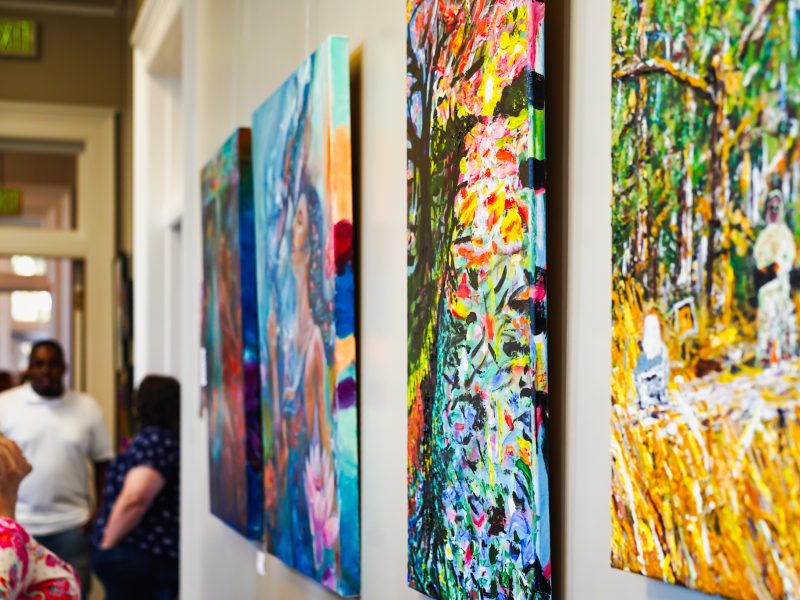
Southwest Georgia artists recognized at packed opening of exhibition
The annual juried exhibition, one of the region’s largest showcases of visual art, features approximately 46 artists and nearly 90 works spanning painting, sculpture, ceramics, photography and mixed media.
Powerful performances drive Theatre Albany’s ‘The Color Purple’
From the street, strands of purple ribbon wind around the white columns of the historic theater, hinting at the story waiting beyond its doors. Inside the foyer, a carefully curated slideshow flickers across a large screen, cycling through the faces of the cast. Some are seasoned performers. Others are stepping onto a stage for the very first time. Teachers stand alongside former students. Parents perform beside their children. People who worship in different churches, work different jobs and come from different corners of Southwest Georgia gather beneath the same lights to tell the same story.

The Worst Job in the Marines: Telling Parents Their Child Was Dead. It Was Also an Honor
Telling a family their child died in combat is something no one wants to do, but someone has to. Christopher Murphy described his service as a Casualty Assistance Calls Office as miserable but vital.

