
The Super Bowl of Spending
About $14.8 billion will be spent on Super Bowl Sunday
From Staff Reports
ALBANY – Americans won’t break the 2016 record, but they are expected to spend nearly $15 billion for Super Bowl LIII, the first “holiday” spending of the year tracked by the National Retail Federation.
Last week, the NRF and Prosper Insights & Analytics released their survey on Super Bowl Sunday spending, which the organizations have tracked since 2007. The survey found that American adults plan to spend an average of $81.30 for a total of $14.8 billion as they host parties and get-togethers to watch the Los Angeles Rams take on the New England Patriots at 6:30 p.m. Sunday at Mercedes-Benz Stadium in Atlanta.
That total is down $500 million from last year, which was the second time the survey topped $15 billion. 2018’s $15.3 billion trails only 2016, when Super Bowl spending was a record $15.5 billion.
Officials with the NRF note that following New Year’s Eve, Super Bowl Sunday is the first opportunity for party-type events. While New Year’s Day comes at the exhausting end of a succession of holiday events from Thanksgiving to Christmas and the start of a new year, Super Bowl Sunday comes after several weeks of relative quietness on the celebration front.
With the help of that timing, folks are ready to pick up the pace a bit. Nearly a quarter (24 percent, or 61 million) plan to attend a Super Bowl party, which will be thrown by 17 percent (44 million). Another 5 percent (13 million) will watch in a bar or a restaurant.
“You don’t have to be a football fan to celebrate the Super Bowl,” NRF President and CEO Matthew Shay said. “Whether it’s to see who wins, watch the halftime show and commercials, or just get together with friends, this is the biggest party since New Year’s Eve.
“Spending is expected to be at one of the highest levels we’ve seen. And retailers are ready whether you need food, team jerseys, decorations or a new TV.”
While total spending will rank No. 3 all-time, average spending is the second-highest, trailing the $82.19 average that also was spent in 2016. Last year’s average was slightly lower at $81.17 per person. The lowest average spending was $53 in 2010.
So with higher average spending, why is the total down this year?
There will be fewer eyeballs glued to TV sets when the big game is shown Sunday on CBS. NRF officials say 182.5 million people are expecting to catch the game, down 6 million people from last year. Overall, 72 percent of U.S. adults surveyed plan to watch the game, down 4 points from the 76 percent who said they were watching last year.
Still, the game will pump up the economy after the doldrums of the post-winter holiday letdown. The survey didn’t address what effect the partial federal shutdown might have. (The survey was conducted Jan. 2-9 and was released Thursday, the day before the announcement of the end of the shutdown.)
“The numbers vary from year to year, but regardless of the economy, politics or the weather, most Americans manage to take a break every year for the Super Bowl,” Prosper Vice President of Strategy Phil Rist said. “The big game is a day for big spending, regardless of who plays or wins.”
Those ages 35-44 will lead the charge — and cash purchases — at an average $123.26 per person, while the lowest spending will be done by those 65 and older, who will check out at $40.97 apiece.
Not surprisingly, viewers in the Northeast — where the New England Patriots hail from — say they’ll spend the most at an average $94.89. They will be followed by the West — where the LA Rams hold court — at $84.01. The South will check in at $79.09, with the Midwest being the most frugal at $69.24.
Among those watching, nearly four out of five — 79 percent — will buy food and beverages for the event. One out of 10 will invest in team apparel and accessories, and 7 percent will decorate.
Seven percent will spring for new televisions in time for the big game, while 4 percent will invest in furniture, including entertainment centers.
Will those watching focus on the heroics of, say, another late charge by quarterback Tom Brady or will they be more interested in the sales pitches between the plays?
Of those who plan to watch, the 43 percent who say watching the game is most important still have a sizable lead over the commercial watchers at 23 percent. The halftime show is the main attraction for 13 percent, slightly trailing the 14 percent who say getting together with friends is the No. 1 goal.
About 7 percent are in it for the food.
More than three-quarters (76 percent) say they see the commercials as entertainment. Overall, those commercials don’t move the needle with nine out of 10 viewers. Only 10 percent of viewers say the commercials influence them to make a purchase.
Younger viewers (ages 18-24), however, are more susceptible. Seventeen percent said the ad spots influence them of purchases and 16 percent say they’re led to look up more info online.
The survey of 7,384 adults 18 and older was conducted Jan. 2-9 and has a margin of error of plus or minus 1.2 percentage points.
Related Articles

‘Sounds Like a Mutiny.’ Secret Recording Exposes Claims of Toxic Leadership After a Marine’s Suicide
This week’s War Horse story follows the systemic failures before and after the death of Cpl. Drew Mobley who was the third in two years at Marine Corps Base Quantico to die by suicide.
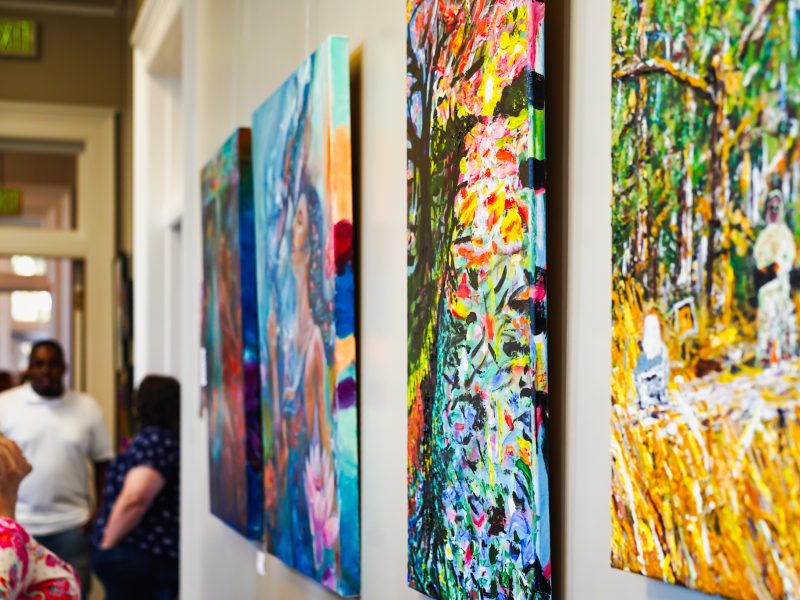
Southwest Georgia artists recognized at packed opening of exhibition
The annual juried exhibition, one of the region’s largest showcases of visual art, features approximately 46 artists and nearly 90 works spanning painting, sculpture, ceramics, photography and mixed media.
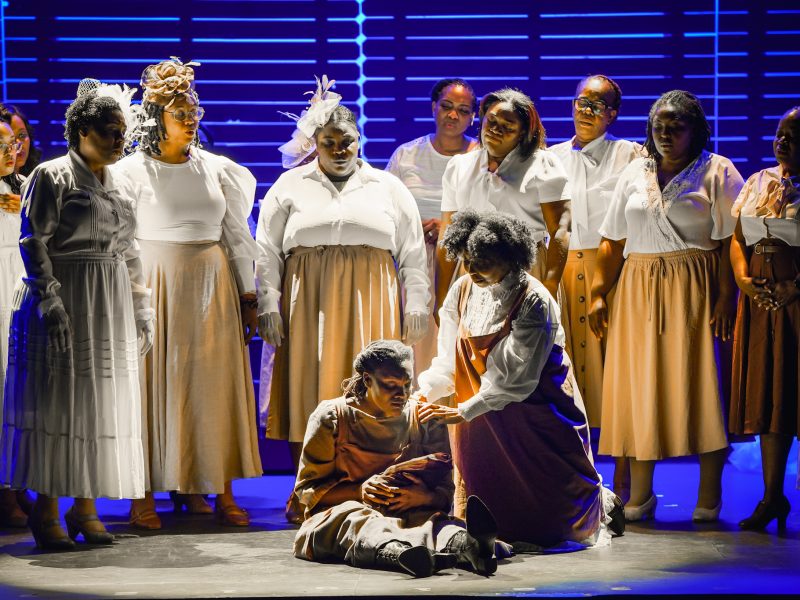
Powerful performances drive Theatre Albany’s ‘The Color Purple’
From the street, strands of purple ribbon wind around the white columns of the historic theater, hinting at the story waiting beyond its doors. Inside the foyer, a carefully curated slideshow flickers across a large screen, cycling through the faces of the cast. Some are seasoned performers. Others are stepping onto a stage for the very first time. Teachers stand alongside former students. Parents perform beside their children. People who worship in different churches, work different jobs and come from different corners of Southwest Georgia gather beneath the same lights to tell the same story.
