
Clocks fall back to standard time at 2 a.m. Sunday
Staff Reports
ALBANY — To paraphrase Bob Dylan, the times, they are a-changing. Again.
Saturday night, sometime after trick-or-treaters have fallen into goodie-induced slumber, those who have clocks and watches that don’t automatically adjust will go through the time-honored tradition of moving those timepieces back an hour.
Eastern Standard Time resumes at 2 a.m. Sunday. That means that Sunday will be 25 hours long because at the 2 o’clock hour clocks will “fall back” one hour to 1 a.m.
These days, the adjustment usually isn’t a case of having to go room to room to change clocks. Cellphones and computerized clocks make the change automatically. For clocks that do have to be manually adjusted, most people make the change before turning in for bed regardless of whether its before the “official” hour to change.
The primary effect may be the feeling that the day suddenly is “shorter.” Each day has had less sunlight time since the summer solstice in June, with the day length slipping below 11 hours today. But the change to EST may heighten the perception because while the sun will rise earlier, sunset also will come earlier. In Albany, the sun will set today at 6:49 p.m. On Sunday, the sun will set at 5:48 p.m.
The concept of adjusting time goes back to Benjamin Franklin, who’s credited with proposing the idea of Daylight Saving Time a few years after the birth of the United States. Franklin noticed that in the summertime that people would sleep well past dawn and use more candles at night.
Franklin’s idea was ahead of its time. Standard time, in fact, wasn’t established by railroads in the United States until 1883, according to the U.S. Naval Observatory, and was not enacted by Congress until 35 years after that. Daylight Saving Time was established in that same 1918 congressional act, but was repealed the next year and became a local matter until it was re-established from February 1942 through September 1945 because of World War II.
Its use after the war, according to the USNO, varied at state and local levels until Congress passed the Uniform Time Act of 1966, which set DST from 2 a.m. on the last Sunday of April until 2 a.m. on the last Sunday of October. That act also allowed for local exemptions. Today, Hawaii, portions of Arizona and some U.S. territories don’t adjust their clocks. Indiana waited until 2006 before implementing DST statewide.
In the mid-1970s, Congress temporarily expanded the Daylight Saving Time period because of a national energy crisis, starting it as early as Jan. 6. In 1986, Congress permanently moved its start to the first Sunday in April beginning in 1987. The Energy Policy of 2005 set the current dates from the second Sunday in March to the first Sunday in November effective in 2007.
While there have been debates as to whether the clock-shifting actually saves any energy and arguments are getting more frequent that the biannual changes can cause health problems, there hasn’t been a move to get away from them. The biannual clock shifts also serve as reminders to check and change batteries in smoke and carbon monoxide alarms in homes.
And if you prefer Daylight Savings Time, it’ll be back on March 13.
Related Articles
Georgia’s school funding formula still ignores poverty; educators say students pay the price
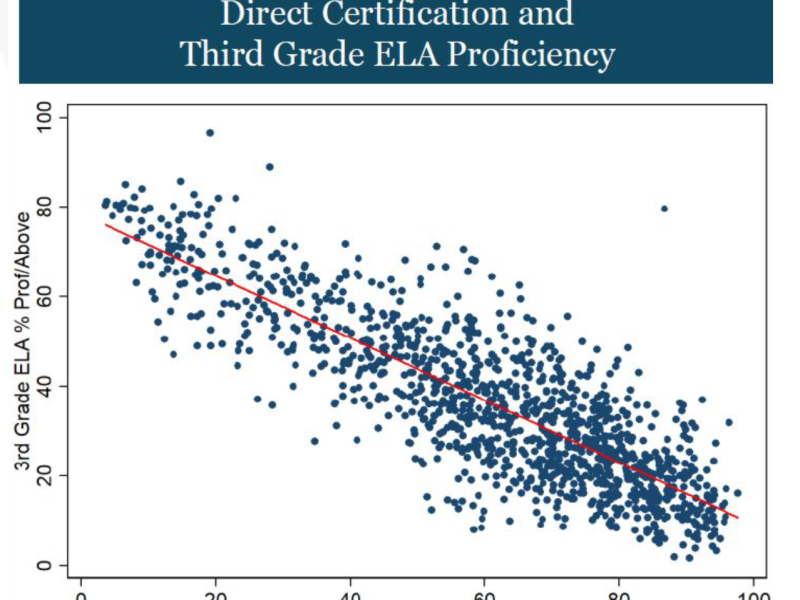
During a report to the board on the outcomes of this year’s legislative session, Dyer discussed the district’s efforts to persuade lawmakers to add an “opportunity weight” to Georgia’s Quality Basic Education (QBE) funding formula — a change supporters say would provide additional state funding for students living in poverty.
Albany Commission approves $358.2 million budget for Fiscal Year 2026-2027
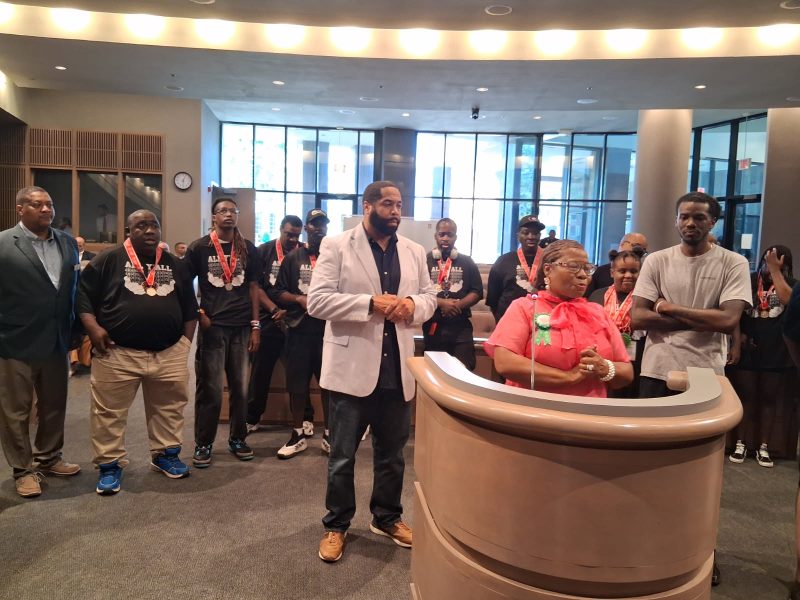
The Albany City Commission approved a $358.2 million spending plan during its final meeting of the budget year that ends on June 30.
Red light violations will bring citations at a dozen Albany intersections
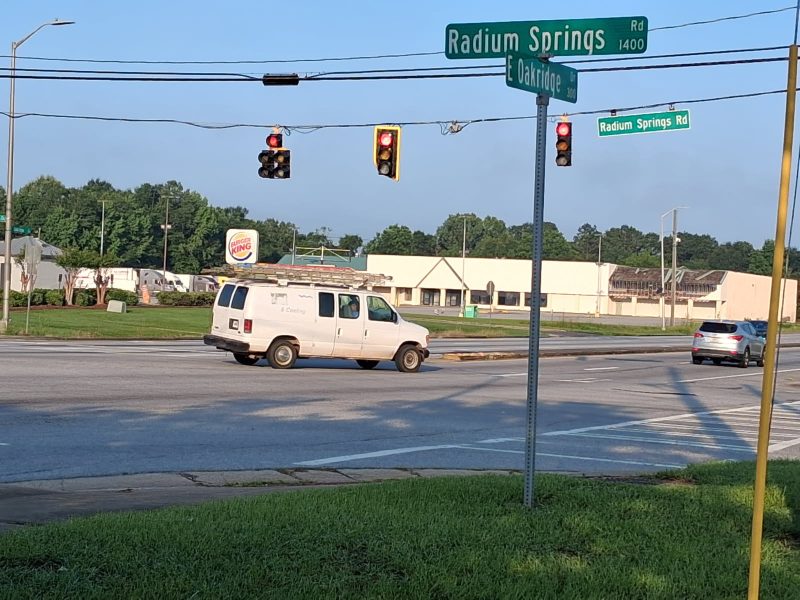
“That was always the goal of the school zone cameras, to change the behavior. It’s the same with the red lights, we want to change the behavior. When you see a yellow light, you need to slow down and prepare to stop.”
