
Georgia officials seek rural input for 2028-2031 State Plan on Aging
Held at the Albany Welcome Center, the meeting brought together caregivers, service providers, community leaders and older residents from southwest Georgia to identify the challenges most affecting aging adults in rural areas and discuss how those concerns should influence future state priorities and funding decisions.

ALBANY — Limited transportation options, social isolation and difficulty accessing services in rural communities emerged as some of the top concerns Tuesday as state officials gathered in Albany to help shape Georgia’s next State Plan on Aging.
The “Community Conversation” forum, hosted by the Georgia Department of Human Services’ Division of Aging Services in partnership with the Sowega Council on Aging and the University of Georgia’s Carl Vinson Institute of Government, was part of a statewide listening effort designed to gather public input before Georgia finalizes its 2028-2031 State Plan on Aging.
Held at the Albany Welcome Center, the meeting brought together caregivers, service providers, community leaders and older residents from southwest Georgia to identify the challenges most affecting aging adults in rural areas and discuss how those concerns should influence future state priorities and funding decisions.
Officials explained that the State Plan on Aging functions as the primary strategic framework guiding how Georgia administers programs and services funded under the Older Americans Act, including meal assistance, caregiver support, transportation services, wellness programs and home- and community-based care.
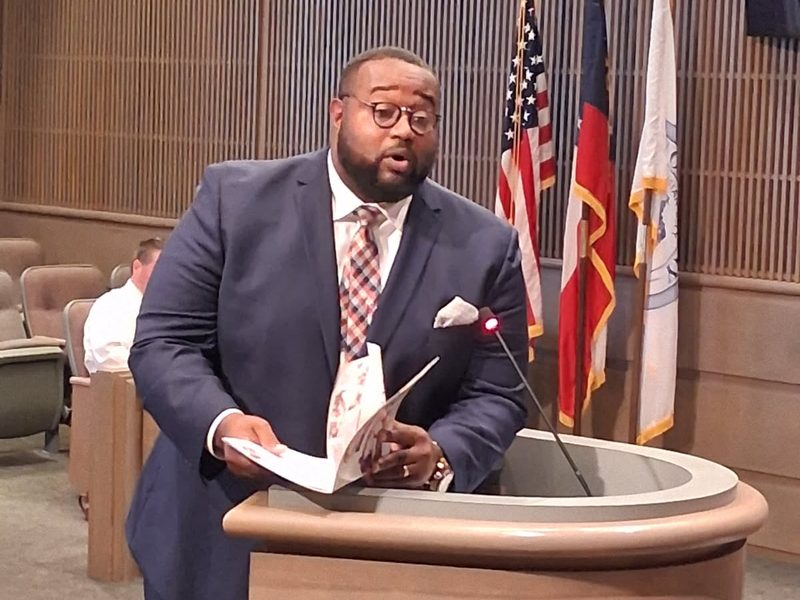
Dwan Grooms, a public guardianship district manager for the Georgia Department of Human Services Division of Aging Services, described the plan as the “North Star” for Georgia’s aging network, shaping goals, strategies and resource allocation statewide.
“This is why you’re here today,” Grooms told attendees. “We’re at the public input phase in developing our state plan.”
After hearing presentations outlining the state planning process, attendees voted on which issues they believe should receive the greatest attention in southwest Georgia. The top three priorities selected were access to services, social isolation, and health and wellness.
Much of the discussion centered on how rural geography and limited infrastructure create barriers for older adults trying to access healthcare, caregiving support, transportation and basic community resources.
Madelyn Cantu, a research professional with UGA’s Carl Vinson Institute of Government, said transportation and awareness of available services have consistently emerged as recurring concerns during listening sessions held across the state.
“One concern that seems to be prevalent is awareness of resources,” Cantu said. “There are a lot of resources, but individuals are not necessarily always aware that they exist.”
She noted that many older adults in rural communities may not have reliable internet access or use social media, limiting how effectively agencies can communicate available resources and support programs.
“Posting about resources online, social media, is great,” Cantu said, “but not everybody has internet access or not everybody has a cellphone.”
Transportation challenges also surfaced repeatedly throughout the discussions, with participants describing how limited mobility can affect nearly every aspect of aging — from attending medical appointments and picking up prescriptions to participating in social activities or receiving caregiving support.
“That impacts if you can get to an appointment,” Cantu said while discussing themes emerging from the statewide sessions.
Grooms said those concerns are especially visible in rural parts of Georgia where services are often spread across larger geographic areas.
“It can be very challenging in rural communities that they don’t have the same resources,” he said.
Social isolation was another major concern highlighted during the Albany session, particularly for older adults living alone or with limited family support.
Participants also discussed broader concerns involving food insecurity, caregiving shortages and the growing need for home- and community-based services that allow older adults to remain independent longer without entering institutional care.
Presentation materials shown during the meeting identified four federally required focus areas that must be included in Georgia’s next aging plan: Older Americans Act core programs, addressing “Greatest Economic Need” and “Greatest Social Need,” expanding home- and community-based services, and enhancing support systems for caregivers.
Officials said the feedback collected during the Albany meeting and similar forums across Georgia will be compiled and analyzed by UGA researchers before being submitted to the Division of Aging Services to help guide future policy decisions and funding priorities.
Cantu said the state is conducting roughly 15 listening sessions statewide, including both in-person and virtual meetings, to gather perspectives from a wide range of communities and demographics.
For southwest Georgia participants, many of the concerns ultimately came back to a common theme: Rural residents often face greater difficulty accessing information, transportation and support systems despite increasing needs as the population ages.
Grooms said the broader goal of the process is ensuring Georgia develops a plan that better supports both current seniors and future aging populations.
“There’s a lot of focus on children, but then there’s not as much focus on our aging Americans,” he said. “I think the end goal is to try to create a state plan that can make Georgia a beacon for aging.”
Related Articles

Lee County schools seek higher property taxes: The costs, choices and questions ahead
Lee County property owners face a proposed school tax increase that district leaders say would restore savings, help replace expiring sales tax revenue and cover rising costs. For residents preparing to speak at public hearings, the decision involves both protecting school services and understanding how much additional money is needed now.
United Way seeks funding from Dougherty County for summer program
The United Way of Southwest Georgia initiated a summer program this year for youngsters this year to help make up for the loss of the National Youth Sports Program. This week it gave a final report on the summer initiative to the Dougherty County Commission and Albany City Commission.

PHOTOS: Albany State Homecoming Kick-off Pep Rally
Three galleries…click the arrow to scroll through the photos.
