
Health care facilities treat more injured children during pandemic
Special Photo: Georgia Health News
By Andy Miller
[email protected]
ATLANTA — Since the coronavirus pandemic began, Children’s Healthcare of Atlanta has handled about the same number of trauma cases involving kids as it did previously. But that doesn’t mean it has seen no change.
The mix of injuries that required treatment shifted in the spring as schools closed due to the spread of COVID-19.
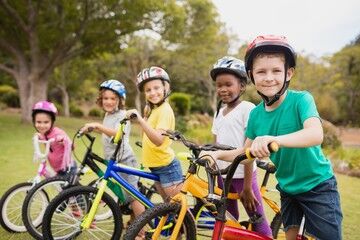
The pediatric system found itself treating many more victims of trauma injuries involving bicycles, ATVs, golf carts, skateboards and dirt bikes, as children spending more time at home turned increasingly toward outdoor activities.
“Being out of school provided more opportunities’’ for such activities, Dr. Ashley Brouillette, a pediatric sports medicine physician at Children’s, said Monday. That led to a greater incidence of ATV and other small-vehicle accidents.
The number of kids transported by ambulance or admitted for such injuries more than doubled during April and May. Brouillette said she saw some bad fractures from these accidents. She emphasizes safety when talking with children and their parents.
“If it has wheels and no doors, they should be wearing a helmet,’’ she said.
Sports injuries are now trending up, and other vehicle accidents leveling off, as schools restart and kids are again involved in sports, Brouillette added.
Bike accidents have also hit the adult population in Georgia during the pandemic. Some major Georgia hospitals have reported an increase in trauma cases since the COVID-19 pandemic began. These include hospitals in Atlanta, suburban Atlanta, Columbus and Albany.
Bike accidents have increased during that time, for adults as well as kids, hospital officials told GHN.
Here are some safety tips from Children’s Healthcare:
Create a safe space inside your family’s new headquarters: Many of us are trying to work from home during a worldwide crisis as we add full-time educator, chef, housekeeper and activities coordinator to our resumes. Even if you’re not working from home, you’re still tasked with managing a household, or coordinating child care, during a pandemic.
“As a parent, I know that we are always doing the best we can when it comes to our kids,” Dr. Maneesha Agarwal, pediatric emergency medicine physician at Children’s Healthcare of Atlanta, said. “What we’re facing now is uniquely difficult, so be kind to yourself as you adjust.”
Dr. Agarwal’s top tip? Remembering basic home safety measures could prevent an unnecessary trip to the urgent care clinic or emergency department.
Brush up on essential home safety tips. Falls are the leading cause of nonfatal injuries treated in emergency departments, so make sure you use gates around stairs and keep young children strapped in highchairs and swings. And anchor all furniture and TVs to prevent tip-over injuries.
Keep dangerous items out of reach for curious hands: Make sure any medications are properly stored: up, away and out of sight. Remember that containers are child-resistant, not childproof. Similarly, store firearms unloaded, locked up and separate from ammunition. And be mindful of small toys or items your child could swallow, like button batteries.
Store chemicals properly, and store this number in your phone. Save the poison control number (1-800-222-1222) in your phone so it’s readily available in case of an emergency. And keep batteries, cleaning supplies, laundry pods, motor oil and other chemicals out of kids’ reach.
Prevent fires and burn injuries: These tips always apply to keeping your home safe, but it’s never a bad time for a refresher.
While getting fresh air and letting kids in on the fun of prepping meals is encouraged, keep a few quick tips in mind.
♦ Keep grilling activities outside. Keep your grill away from your home and garage, and never grill inside.
♦ Watch curious little hands around hot surfaces. Use back burners on the stove, and make sure pot and pan handles are facing toward the back so they’re harder for little hands to reach. And always watch children around the stove, oven and grill. Older kids and teens may be flexing their independence muscles by prepping entire meals, but remind them to be careful with hot items from the microwave or stove.
♦ Blow out any candles, and ensure the stove and oven are off before bed. Just as you may double-check that doors are locked, make sure everything is off before turning in.
♦ Make sure detectors are armed. Test your smoke and carbon monoxide detector batteries every 6 months to ensure they’re up to date.
Keep kids safe on wheels: Riding bikes is a great way for the whole family to stay active while practicing social distancing. And whether they’re riding a bike, taking a scooter for a spin, skating down the driveway or taking a cruise on a hoverboard, make sure children are protected on wheels by practicing proper helmet safety.
♦ It’s Georgia law that all children under 16 years of age wear a properly fitting helmet any time they ride.
♦ The front edge should be two finger widths above the eyebrows.
♦ The helmet should be snug and not slide around once it’s put in place.
♦ The front and back straps should form a V just below your child’s ears.
♦ The front straps should be vertical and slightly in front of the ears. The rear straps should be more horizontal and behind the ears.
♦ The chin strap should be snug when your child opens their mouth. When your child’s mouth is closed, only one finger should be able to fit between the chin and the strap.
Practice smart pedestrian safety when you get fresh air: Not only is moving your body good for your physical health, but it also releases brain chemicals that can boost your mood and overall behavioral health. Going outside for family walks is highly recommended, but be sure to practice pedestrian safety (along with social distancing) while you’re out and about.
♦ Stay alert. Try to keep walks device-free, and pay attention to your surroundings. Not only should you be cautious of vehicles, but you also have to look out for other walkers, runners and bikers while you’re out now. If older kids and teens are going out alone, remind them to pay attention and use their phones for emergencies only.
♦ Use sidewalks and crosswalks. Even though traffic may be sparse, it’s always safer to use marked crosswalks and stay on sidewalks when you’re out walking.
♦ Avoid wearing dark clothing at night. If you’re going for a walk near or after sundown, wear light or bright clothing so you’re easily seen by drivers. If you have reflective clothing or accessories, that’s even better.
♦ Keep your distance. You can go on a family walk, but you should stay at least 6 feet away from anyone outside your household. While your neighbors may allow children to play as usual, kids shouldn’t share sports equipment, use playgrounds or be within 6 feet of one another.
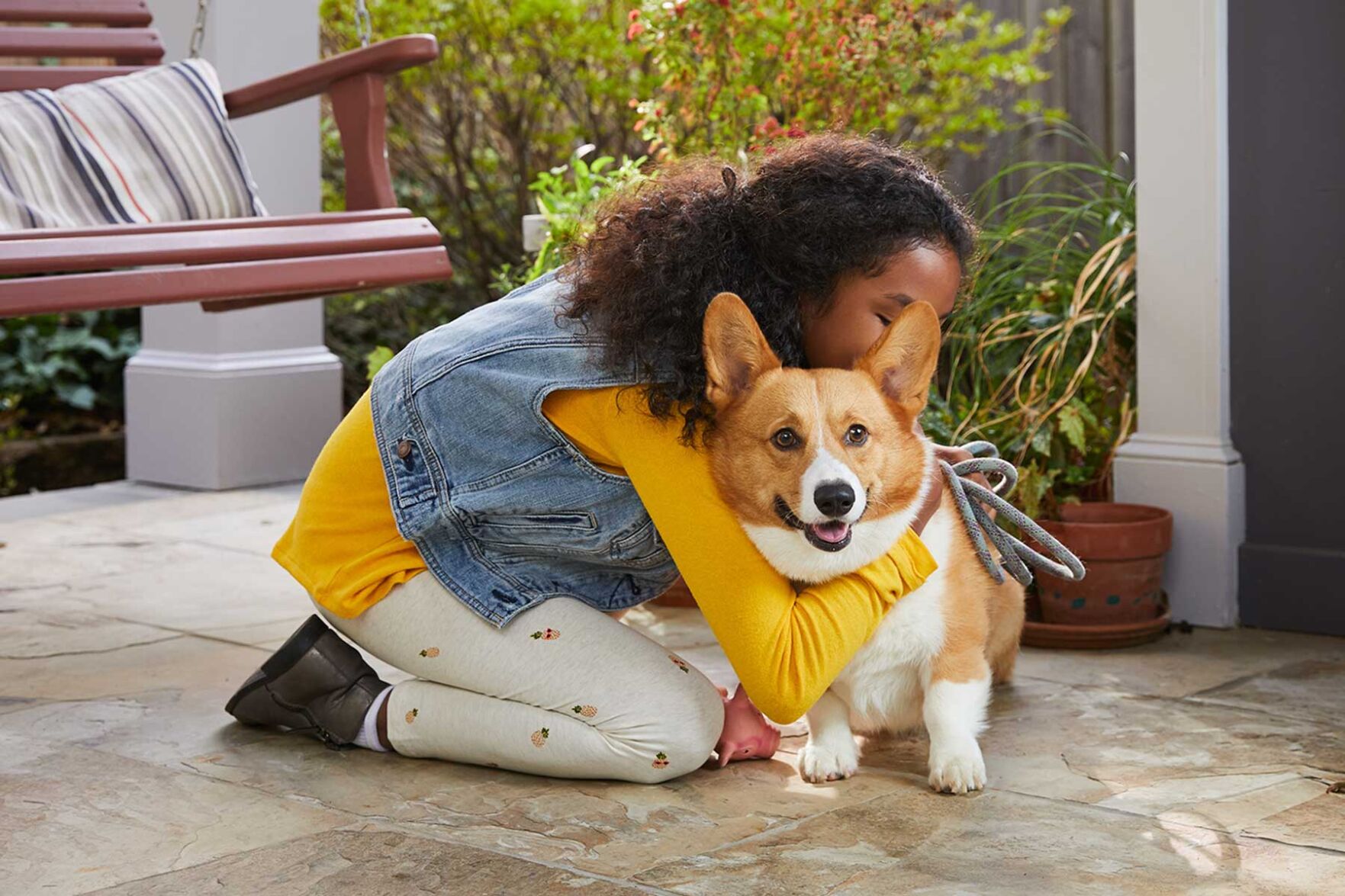
Be mindful about furry friends: While the coronavirus pandemic and social distancing have left many of us in crisis mode, our good boys and girls may be happy about all our extra time at home. Whether your pup is sitting in your lap while you tackle your task list or is doing some social distancing of its own, remember to teach kids to respect pets’ space.
Many dogs are super tolerant of our kids’ hugging and tugging, but even so, it’s important that children learn that pets deserve their own space. When dogs moan, groan or growl that is their way of saying, “I have had enough and I would like to be left alone.”
Related Articles
Albany Rescue Mission in recovery but still can use some help
“We can’t do this without the community. We are so grateful for the willing vessels. We just can’t thank them enough. We also appreciate the other ministries that have sown seeds into our ministry.”

Plenty of oil, not enough diesel — and southwest Georgia farmers are paying for it
Sedrick Rowe doesn’t spray herbicides on his 10 acres of organic peanuts. He fights weeds with his tractor instead, which means he runs it more often than most farmers — and burns at least 30 gallons of diesel on a typical day. This harvest season, every one of those gallons costs more than it has at any point on record.
Dougherty schools plan task force as SNAP changes raise concern over free meals
The Dougherty County School System plans to create a task force to help families retain food assistance and navigate new reporting requirements as district officials warn that declining SNAP participation could eventually affect the federal provision that allows every student to eat free at school.
