
Jail is Dougherty County’s de facto mental health facility
A lack of mental health facilities in the region leaves most jail inmates with issues incarcerated rather than getting help.
Editor’s Note: Fifth in a series of articles about mental health issues in southwest Georgia.
ALBANY – For three decades, Dougherty County’s current jail has been among the busiest in southwest Georgia, with the facility holding local inmates as well as those from other counties, the vast majority of whom are awaiting trial but have not been convicted of a crime.
With 1,230 beds, the jail is busy around the clock with an inflow of new inmates and the discharge of others, and the operation is the biggest expense for county government at $21.4 million last year.
Most public buildings are open for about eight hours a day, so the wear and tear on the jail adds up, Dougherty County Chief Deputy Jon Ostrander said.
“That facility is used 24 hours a day,” he said. “It’s 30 years old, but it’s the equivalent of a 90-year-old building.”
While inmates are guests of the county, jail personnel are responsible for providing for all of their needs, from tooth brushes to medical care, and that includes mental health.
On a recent day, of the 746 in the jail population, about 267 were individuals with mental health diagnoses. Of those incarcerated, the population with known mental health issues runs at about 30%. In essence, that qualifies the jail as the county’s largest mental health facility. By default, it is the only one.
The state of Georgia’s closing of mental health facilities around the state has increased the burden on jails, according to Dougherty County Sheriff Terron Hayes,
“The closing of our mental health institutions in southwest Georgia really put a (burden) on us,” he said. “We run the largest mental health institution in southwest Georgia.
“When it comes to mental health, we train our detention officers how to man a jail, to work with and be a mentor to individuals with mental health issues. (But) we’re not just in the business of mental health. When they come to our jail, we’re going to do the best that we can to make sure they get the services, the resources they need.”
Inmates who come into the jail for a lengthier stay are assessed medically within a few days of arrival so that jail staff know what kind of needs an inmate has, the sheriff said.
Hayes also has established a mental health advisory board that is made up of area mental health providers, including Aspire Behavioral Health and Developmental Disabilities and the Phoebe Putney Health System, as well as representatives from the business and religious communities, Albany State University, Albany Technical College and the Dougherty County School System.
“We’re looking at how we can better our community and help ourselves,” Hayes said. “We try to talk about all facets of it. I thought that was very important, (to) educate the community on mental health and disabilities. That board will be involved in community forums, providing resources to the community. This is an additional resource to make our community a safe community, especially when it comes to mental health.”
At the jail, at the time inmates come in and are assessed, an individual’s need for mental health is part of the equation, said Col. Pamela Coley, who is in charge of jail operations. Those who are doing well and are on medication may be assigned to the general population, while someone with a severe mental health condition, who may or may not be taking meditation, may be assigned to special housing.
In the latter case, Coley said, it may mean more time isolated away from other inmates in order to protect vulnerable individuals. All inmates receive counseling, but with only one counselor available for only a few hours a week, there is a lack of extensive help for inmates.
“It’s very challenging in a jail,” Ostrander said. “That’s not part of an officer’s training. (For) mental health treatment in a jail setting, outcomes are poor. That’s why it’s always better for people to be diverted into treatment than incarceration.”
The sheriff’s office works to divert individuals with a mental health diagnosis away from jail, when possible. In cases where an inmate does need full-time treatment, it is a challenge to get them the help they need.
“In Georgia there are 40,000 jail inmates,” Ostrander said. “There are fewer than 700 beds available (for inmates with mental health issues) statewide. Even when we get a court order for a hospital bed, the wait can be more than a year, and during that time we have to manage them.”
This lack of state treatment opportunities spills over into the community, with families sometimes resorting to having a loved one arrested. Some inmates may even be encouraged to stop taking medications in jail to facilitate transfer to a full-time treatment facility, but that is not usually a good strategy.
“They think if we arrest them they’ll get the treatment they need,” Ostrander said. “But the outcomes are not good. The public doesn’t understand the role the jail can play in maintaining a safer community. We have the chance to build and mold people so they can become productive citizens. Who else does that?”
Through efforts initiated by his predecessor, Sheriff Kevin Sproul, the sheriff’s office is working to educate the public on mental health issues, Hayes said. The sheriff’s office is a site for Crisis Intervention Team training that helps officers learn to recognize the the signs that a person they encounter has a mental health issue or is under the influence of a substance.
While that training is basic, it is helpful.
The introduction of tablet computers into the jail has been helpful, Coley said. Inmates can fight boredom through playing games or through music and videos.
Inmates can pay for those services or earn credits through completing educational courses. They can also get assistance with instruction on anger management.
Despite the limited resources available, Hayes said the sheriff’s office is dedicated to providing the best care it can for inmates with mental health issues.
“We’re a resource to the community,” he said. “We’re not just the lock-’em-up-and-put-’em-away’ jail. That’s what Sheriff Sproul implemented, and I’m going to continue to be a resource for this community. We’re going to do what we can to protect this community.”
Author

Related Articles
Heated exchanges, lengthy delays precede Lee school board’s 17.96-mill vote
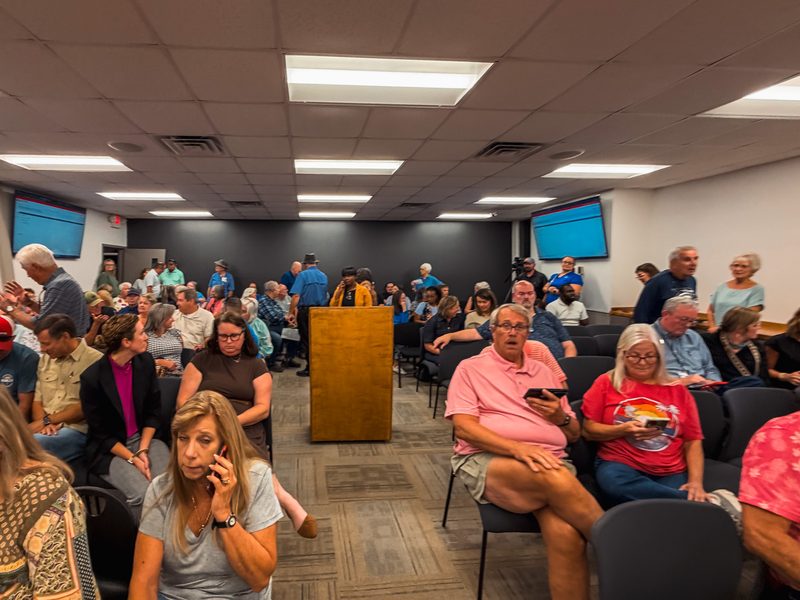
The Lee County Board of Education adopted a 17.96-mill operating tax rate Thursday after a crowded public hearing and a lengthy wait for a vote that left frustrated residents at the meeting until close to 9:30 p.m.
Turnout steady during first week of early voting in Dougherty County
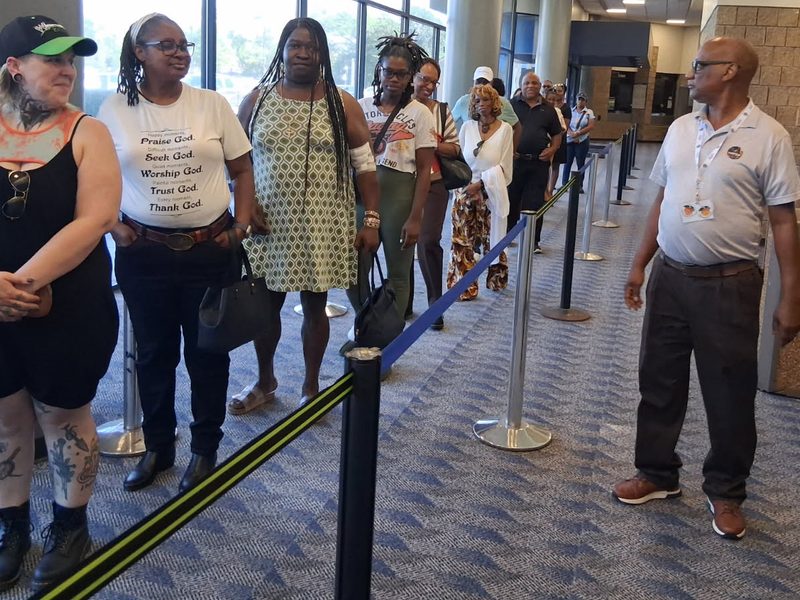
Early voting started statewide on Tuesday, giving voters three weeks to cast ballots ahead of the Nov. 3 election.
District 151 challengers Wolfe, Lockhart offer plans for schools, rural jobs, health care
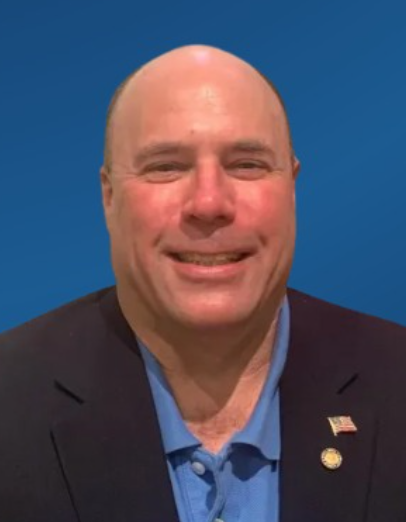
Two challengers seeking to unseat state Rep. Mike Cheokas are proposing different approaches to Southwest Georgia’s needs, with Democrat Ethan Wolfe emphasizing changes to state funding and health policy and independent Travis Lockhart focusing on partnerships among local governments, schools and employers.
