
ASU completes discussion of Moynihan Report
Report focuses on inequities that persist for African-Americans
By Chauntel Powell
ALBANY — Albany State University recently completed its community conversation on the theme “Strengthening the Community for 2019 through the 1965 Moynihan Report on the Negro Family,” a conversation that participants say was chosen in an attempt to educate the community on the social inequity that still plagues the African-American community.
The Moynihan Report identified the roots of the issues still facing African-Americans as slavery, reconstruction, urbanization, unemployment and poverty, and the nation’s wage system. The resulting symptoms, according to the report, include matriarchy, failure of youth, delinquency and crime, failed mental tests for those trying to join the armed forces, as well as alienation.
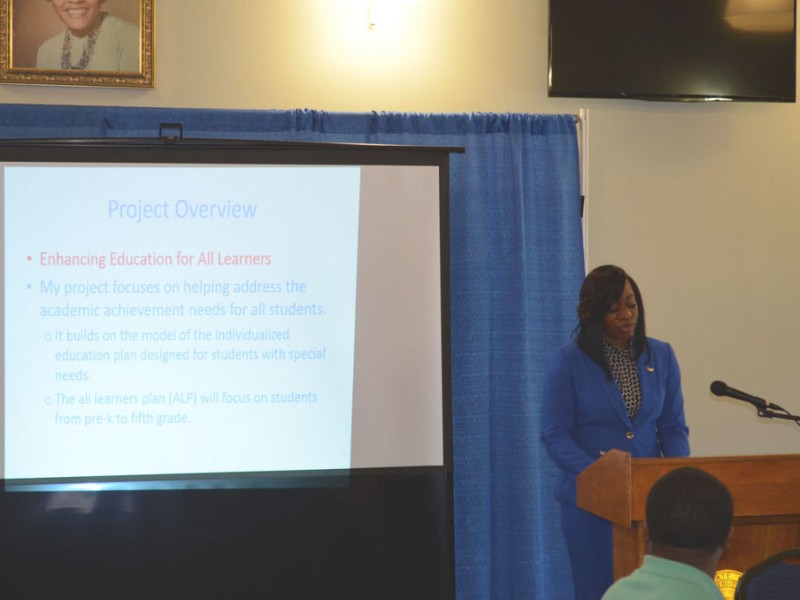
ASU instructor Veronica Adams-Cooper’s Management Information Systems class explored the report and prepared presentations on specific symptoms and how to try and alleviate them. The group previously presented at the Albany Civil Rights Institute. Adams-Cooper said she felt the project was a success.
“I think things went well because the goal was to inform the public, one, about the 1965 Moynihan Report that was never implemented and that many communities are now experiencing the distress because of the failed implementation,” she said. “The second is to tell people about the 2019 milestone that’s coming up.”
Adams-Cooper discussed the African-American History Act created to recognize the 400-year journey of African-Americans from Africa to this country. And while she said that the rich history should be celebrated, Adams-Cooper acknowledged changes are still needed.
“Hopefully, that act is passed and we get to celebrate, but we have to have restoration as part of that celebration,” she said. “We should be glad about it, but we should be restoring the people who have been a gift to the nation and the world.”
Devonta Osborne, a member of the class and one of the presenters, said the experience was very informative.
“Just knowing and learning about the struggles we went through back in 1965 and beyond (is important),” he said. “Now we’re trying to just make a way to get social equity. Yeah, they freed slaves and all that, but there are still situations that we need to improve.”
He said the issues discussed encouraged him to be a catalyst for change.
“As a young African-American male, I’ve seen people go through these situations, and I just want to help others coming along,” Osborne said.
Related Articles
Albany police investigate suspicious Sunday death
A 21-year-old Turner Job Corps student who was found unresponsive on Sunday evening was later pronounced dead at Phoebe Putney Memorial Hospital. The death is under investigation.
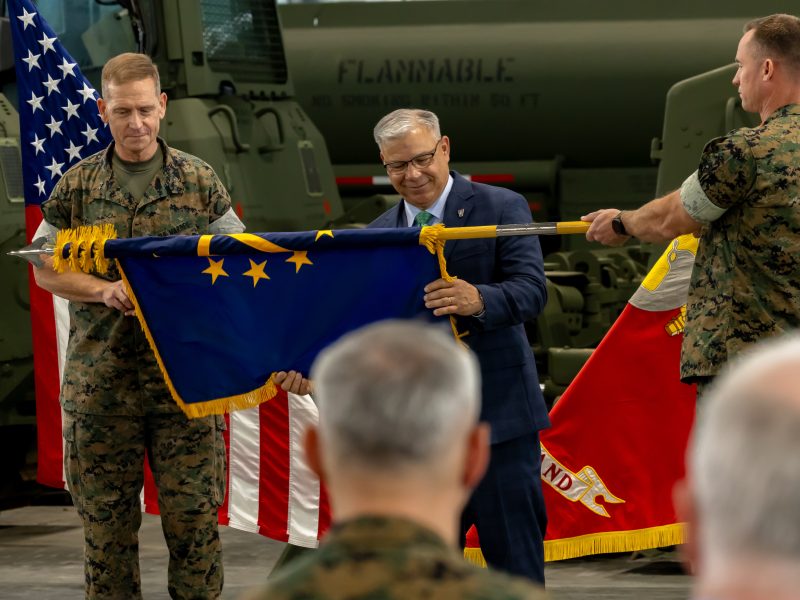
James Rubino installed in new role at Marine Corps Logistics Command in Albany
James L. Rubino recently assumed the role as executive deputy of Marine Corps Logistics Command in Albany. In his new role he will oversee integrated logistics support.

Rain depresses voter turnout in Dougherty County
“A lot of people don’t vote when it’s raining. People don’t do a lot of things when it’s raining.”
