
Brain cancer has impact in Southwest Georgia
Statistics show glioblastoma has 17 percent five-year survival rate for patients ages 20-44
By Jennifer Parks
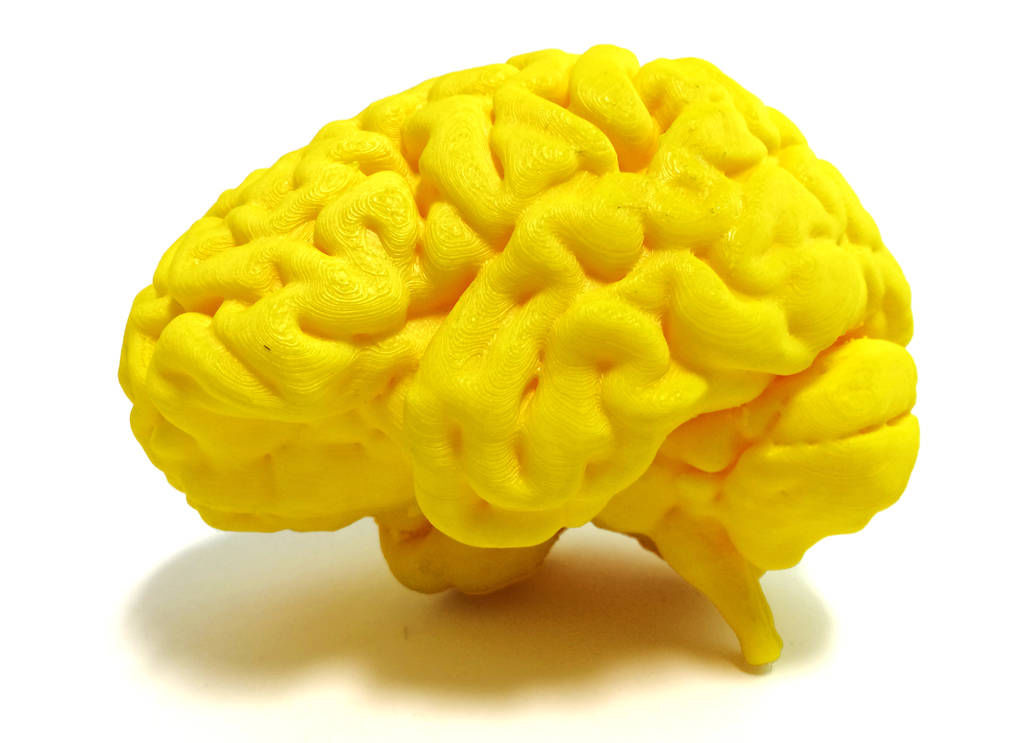
ALBANY — The adult brain weighs just a few pounds but is one of the most vital and delicate organs in the human body.
Like many organs, it is susceptible to be ravaged by cancer. Statistics from the Georgia Department of Public Health Office of Health Indicators and Planning show that brain cancer killed 15 people in the Southwest Public Health District last year, making it an illness worthy of increased awareness.
There are no widely recommended tests to screen for brain cancer, so scans looking for such cancers typically take place once symptoms emerge. The overall outlook depends on a person’s age, the type of tumor and location.
“It can be classified as primary and secondary,” Dr. Chirag Jani, an oncologist with Phoebe Cancer Center, said. “In adults, 80 percent are coming from somewhere else (or are secondary), and it has metastasized from somewhere else. That seems quite common in our system here.”
Jani said a primary brain tumor, defined as a tumor that begins in the brain, occurs in about 10 of 100,000 cases. He said the cases of primary brain cancer in Phoebe’s patient base has remained steady and that brain cancer cases in general have gone up due to limited access to health care, social and economic factors, and the lifestyles associated with a rural area that can have an overall impact on health.
“(Brain cancers) are usually in Stage 3 or Stage 4 when we find them,” he said.
Jani said primary brain cancers seen in younger populations typically have a genetic component. He added that the main difference with brain cancer in general compared to other cancers is method of treatment.
The preferred place to start is surgery. Removing the organ altogether is not an option, and surgery may not be practical at all if a tumor is in a part of the brain that cannot be touched.
“As much as you can remove it, (the more removed) the better off you are,” Jani said.
There are several types of brain cancers, each with varying rates of survival. The American Cancer Society said glioblastoma, the most common and aggressive form of primary brain cancer, has a 17 percent five-year survival rate for patients ages 20-44, or 6 percent for ages 45-54, and 4 percent for ages 55-64.
Part of what makes a brain tumor resection complicated is that a tumor is likely to branch out, making it impossible to completely remove. After that, a patient has to hope alternative methods, such as chemotherapy and radiation, will do the rest.
“That is why glioblastoma is so fatal,” Jani said. “You can never say you have removed the whole thing.”
The oncologist went on to explain that a high-grade brain tumor, or one that is likely to grow rapidly and spread faster, is often universally fatal, while those who have a low-grade tumor typically benefit from higher survival rates.
“We usually find them as high-grade and hard to treat,” Jani said. “We usually don’t like to treat cancers without a biopsy, but sometimes with brain cancer you have to do it.”
If a person’s neurological exam is abnormal, a specialist will likely be brought in to do more tests — such as an MRI, CT or a chest X-ray if there is possibility of lung cancer involvement — which in turn is followed by a biopsy, if the tumor can be safely accessed, by needle or craniotomy to stage and identify the type of tumor and get an idea of what the patient has to face.
The ACS estimates that about 23,800 malignant brain and spinal cord tumors will be diagnosed, and about 16,700 people will die from the tumors, this year in the United States. In Georgia alone, 620 new cases and 490 deaths of brain and nervous system cancer are anticipated within the same timeframe.
The Cancer Society said people with certain inherited syndromes are at higher risk for brain tumors such as neurofibromatosis and tuberous sclerosis, and a doctor may recommend exams to ensure they are detected before they compromise a patient’s health.
The general brain cancer symptoms listed by ACS include headache, nausea, vomiting, blurred vision, balance problems, personality changes, behavioral changes, seizures, drowsiness and coma. Headaches tend to get worse over time, occurring in half of patients, while as many of half of people with brain tumors will have seizures, depending on where the tumor is.
Jani said those most at risk often include people suffering from another type of cancer that may end up spreading to the brain, and primary brain cancers often come with nonspecific symptoms.
“If you have unusual headaches that don’t go away, that are persistent for more than a couple of weeks, have vision problems without other eye issues or seizures (it is time to talk to a doctor),” he said. “But a lot of people have these symptoms for no reason.
“Better safe than sorry (and to make sure) there is nothing to be concerned about. (It is encouraged) to be mindful of any unusual symptom that does not go away and that is unusual for you.”
More specific symptoms depend on the part of the nervous system affected. For instance, a spinal cord tumor is likely to cause lack of coordination or incontinence, while a tumor in the front part of the cerebrum can affect thinking, personality and language, the ACS said.
Doctors were baffled by the Sullivan family of Albany, which last year had two daughters, ages 17 and 20, who within a month of each other were diagnosed with two different types of brain cancer, with no genetic link.
The youngest of the two, Lilia Sullivan, was the first to be diagnosed. She had a busy summer last year and came into her parents’ room in the middle of the night shortly after returning from leadership training at Camp High Harbour when she felt that something was not right.
“My wife got in bed with her, just to be with her,” Tom Sullivan, her father, said. “Thirty minutes later, she had a full seizure, one of several.”
A CT scan revealed a mass on the left side of the brain, found to be astrocytoma. It was initially thought to be inoperable before a functional MRI helped doctors determine it was safe to remove the tumor without it hampering her speech and language abilities.
About 90 percent of the tumor was taken out, and Lilia Sullivan had radiation for several weeks. She remains on oral chemo.
The older sister, Saville Sullivan, was just beginning her sophomore year at the University of Alabama in Tuscaloosa when she began suffering from headaches that were first thought to be a sinus infection. The headaches eventually got to the point that she would curl up on the floor in intense pain.
Her father took her to the hospital. Three tumors were found in her cerebellum, and she was diagnosed with medulloblastoma, which was causing a blockage of spinal fluid. She received proton therapy, part of a treatment regimen that would ravage her, and now she is going back to school a changed person.
The family’s experience changed not just the sisters but the parents as well. Now there is a different outlook on life and relationships in the household.
“This is not a journey we would have chosen, but it is the card you are dealt and you handle it,” Tom Sullivan said.
Their father said the scans for both of his daughters remain clear. While on the lookout for a recurrence, something else the Sullivans have become keenly aware of is a lack of awareness for brain cancer.
The family has spent the last several months sharing their story publicly and becoming advocates for pediatric brain cancer research.
“Pediatric cancer research (is limited), even less (goes to) pediatric brain cancer,” Tom Sullivan said.
The sisters have been named the honorees for an event in the Atlanta area — where they received the bulk of their treatments — known as Polo in the Pines in October. The Sullivans have chosen for the funding to go toward pediatric brain cancer research.
Tom Sullivan also said that, while their family is blessed with resources, they recognize that not everyone is that fortunate.
“You never think it will happen,” he said. “All of a sudden, life hits you square in the face. In terms of resources, and people with a similar event, absolutely there is a need. The greatest need is funding for research. We need to beat this thing.”
Officials at Horizons Community Solutions, a resource in Southwest Georgia for cancer prevention and screening, said brain cancer is not one of the cancers the organization focuses on.
“Unfortunately, this type of cancer is not one that we deal with here at Horizons,” Horizons CEO Diane Fletcher said. “We’re focused on prevention and early detection, and we try to reach as many people as possible, so mainly we focus on lung, breast, prostate, colorectal and cervical cancers — the ones that have some screening tests and that affect the greatest numbers of people.”
Georgia CORE officials said patients, caregivers and health care professionals have a state-specific resource in www.georgiacancerinfo.org. The site offers information on Georgia-based cancer medical specialists, information on statewide clinical trails, cancer treatment sites as well as national standards and guidelines in cancer care.
The website lists 42 physicians in the state specializing in treatments for brain cancer, many of whom participate in one of the 38 clinical trials available in Georgia for pediatric and adult patients, officials said.

Related Articles
Georgia’s school funding formula still ignores poverty; educators say students pay the price
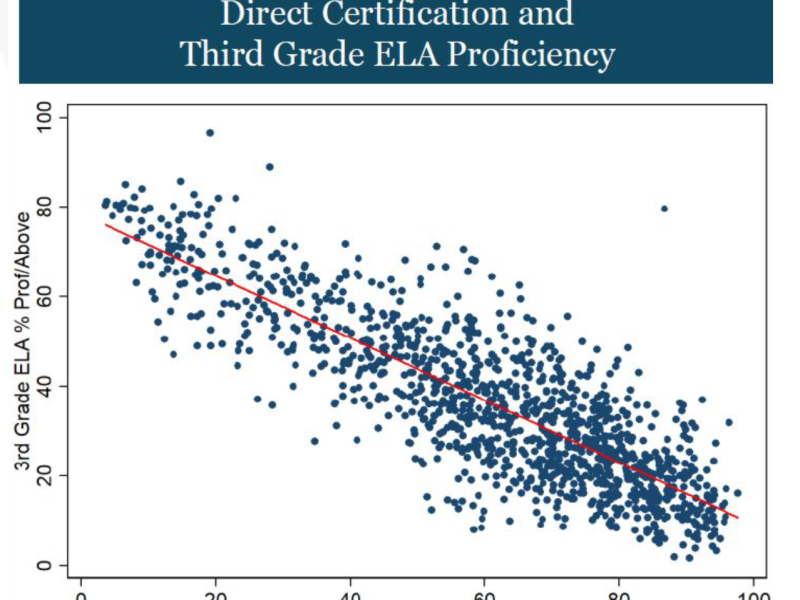
During a report to the board on the outcomes of this year’s legislative session, Dyer discussed the district’s efforts to persuade lawmakers to add an “opportunity weight” to Georgia’s Quality Basic Education (QBE) funding formula — a change supporters say would provide additional state funding for students living in poverty.
Red light violations will bring citations at a dozen Albany intersections
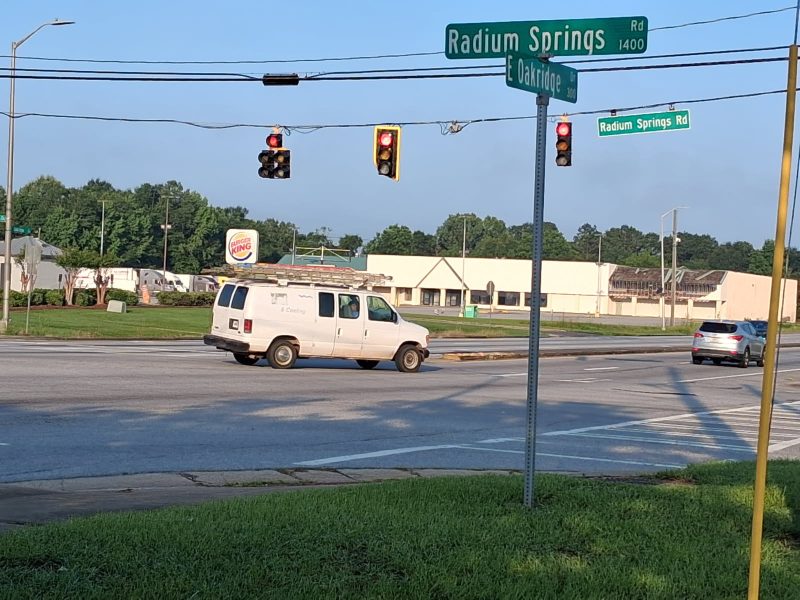
“That was always the goal of the school zone cameras, to change the behavior. It’s the same with the red lights, we want to change the behavior. When you see a yellow light, you need to slow down and prepare to stop.”
Dougherty Commission considers $104 million budget for 2026-2027 budget year
“The other side of the coin is you could have higher revenues than projected. We’re very conservative in budgeting revenues. That also reduces the need to use fund balance”
