
Civilian Human Resources Office serves Marine Corps Logistics Base-Albany employees
Southeast Civilian Human Resources Office works with several Marine installations and commands in Albany and Florida
By Jennifer Parks
EDITOR’S NOTE: Following is the 31st installment of a series highlighting the various individuals and entities at Marine Corps Logistics Base-Albany.
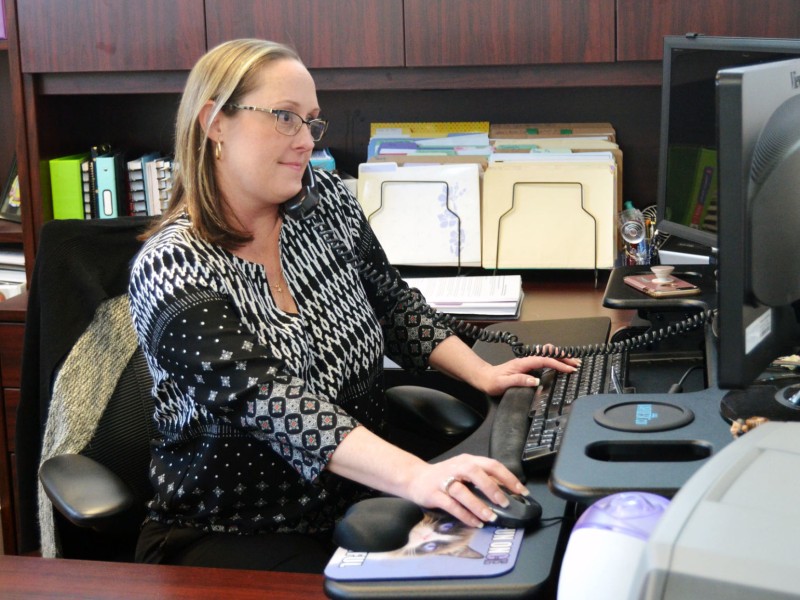
MCLB-ALBANY — The Labor and Employee Relations and Workforce Relations Division at Marine Corps Logistics Base-Albany offers guidance on issues relating to a civilian’s job at the base while providing advice to those civilians’ supervisors in uniform on how such problems ought to be handled.
The division includes the Southeast Civilian Human Resources Office, which serves several installations and commands within the Marine Corps, including the Albany base and others in Florida, Marine Corps Logistics Command, Blount Island Command, Marine Corps Support Facility Blount Island, Marine Depot Maintenance Command, MCLB-Albany, Marine Corps Central Command and Marine Corps Forces South.
The division also includes a tri-command satellite office located at Parris Island, S.C. Marines in Albany often visit in person, while the phone lines and email inboxes remain busy due to the office’s reach beyond southwest Georgia.
“We pretty much have a revolving phone ringing all the time,” Amy Clark, supervisory human resources specialist for the Labor and Employee Relations Division, said.
The division conducts work concerning labor relations, employee relations and employee programs with functional responsibilities such as mid-term bargaining, workplace condition changes, workers compensation, recognition programs, employee rights, leave, administrative grievances, performance management and duties related to the Federal Employees Compensation Act, Voluntary Leave Transfer Program, Civilian Employee Assistance Program, Office of Workers’ Compensation Program, Family Medical Leave Act, and other applicable pieces of legislation.
Clark said her office oversees all the “local” human resources programs. While the services are mainly for civilian employees, the department also acts in an advisory capacity to those in military uniform who are supervising civilians.
One of the challenges involves disciplinary and performance management, typically because the employees see discipline as punishment when it is really meant to be about rehabilitation and change.
“(Performance management) is about advising and educating the work force on their duties, providing guidance when expectations are not being met,” Clark said. “From a military aspect, discipline (is making sure someone) is mindful of their responsibility. Overall, it has a negative interpretation.”
The American Federation of Government Employees union office at MCLB works closely with Clark’s office on labor relations matters — often as it relates to contract matters.
“In general, our organizations have a good working relationship with the unions,” Clark said. “Sometimes the relationships can be challenging, but when (the focus is on the employee) we can have common ground at times.”
Personnel in the office no two days that are alike. Each new day comes with different questions and interactions with management.
“It makes the job great; it is not the same thing day in and day out,” Clark said.
The office is not involved with the new employee orientation process, but it will often see new employees within the first few weeks of their time on the base — primarily to answer questions related to benefits.
The most difficult part of the job, Clark said, is the reality that tough professional decisions impact people and their families.
“The most challenging aspect of the job is that our employees are human beings,” she said.
Employees may have performance issues, working in a position that is not a good fit, or they may have exceeded their allotted leave due to a family issue that eventually forces management to make a decision that better helps the organization meet its objectives.
“We have to look at other options that will allow us to continue meeting our mission,” Clark said.
The division’s staff cannot know the full scope of every civilian’s position, and the variety of issues run the gamut. That is why the involvement of an employee’s manager is critical.
“The advice from management is helpful in our overall advice to them,” Clark said.
Employees are valuable to an organization, so taking care of their needs plays a central role in MCLB-Albany meeting its mission, which directly impacts the Marines deployed overseas.
“We don’t have a lot of interaction with (those in) uniform, so we (often) lose sight of what we contribute,” Clark said.
Related Articles
Georgia’s school funding formula still ignores poverty; educators say students pay the price
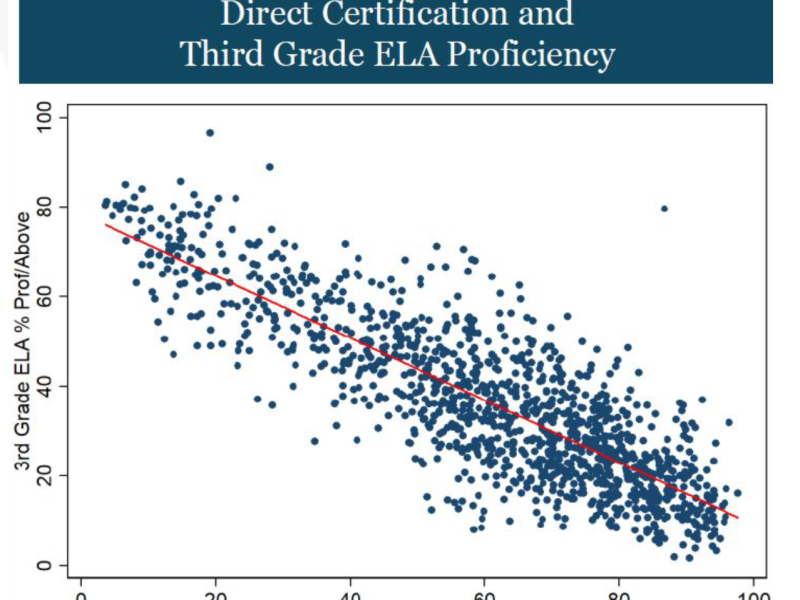
During a report to the board on the outcomes of this year’s legislative session, Dyer discussed the district’s efforts to persuade lawmakers to add an “opportunity weight” to Georgia’s Quality Basic Education (QBE) funding formula — a change supporters say would provide additional state funding for students living in poverty.
Red light violations will bring citations at a dozen Albany intersections
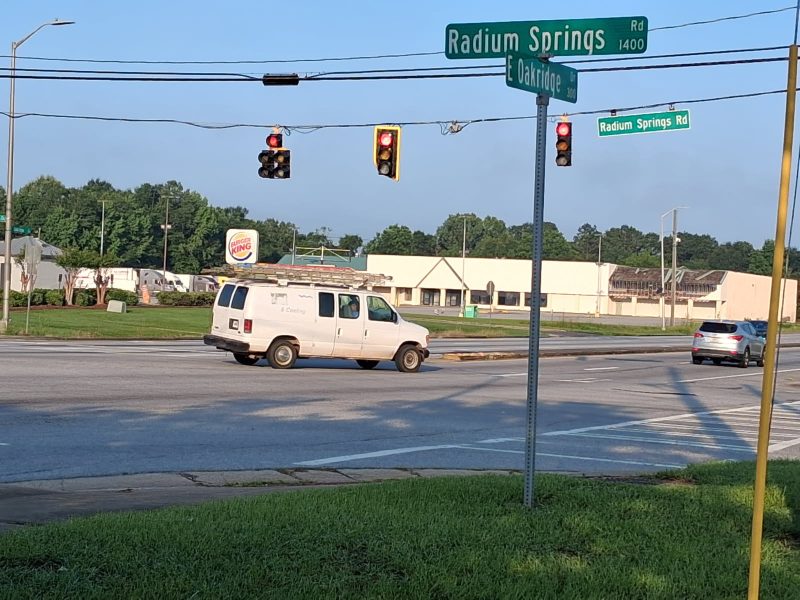
“That was always the goal of the school zone cameras, to change the behavior. It’s the same with the red lights, we want to change the behavior. When you see a yellow light, you need to slow down and prepare to stop.”
Dougherty Commission considers $104 million budget for 2026-2027 budget year
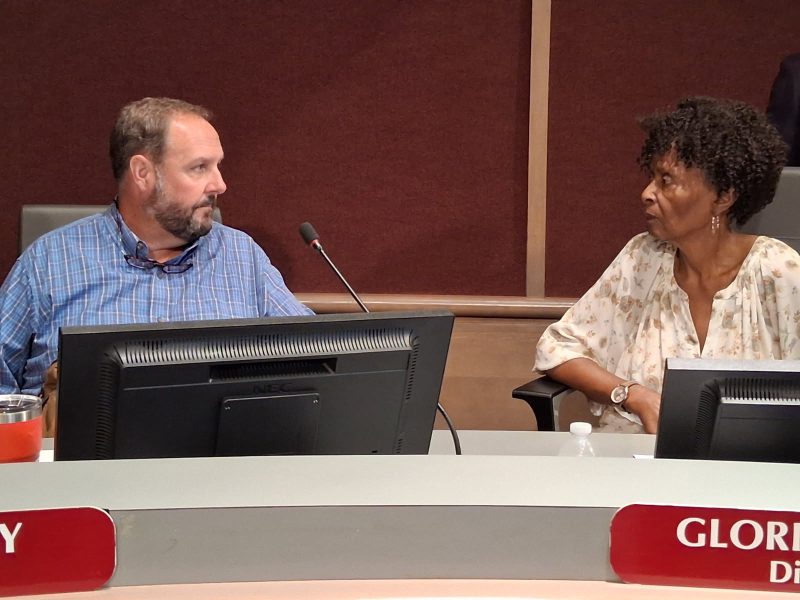
“The other side of the coin is you could have higher revenues than projected. We’re very conservative in budgeting revenues. That also reduces the need to use fund balance”
