
Department of Human Services officials explain background check policy impacting Meals on Wheels
Officials with Georgia DHS say a policy requiring background checks for volunteers was put in place several years ago
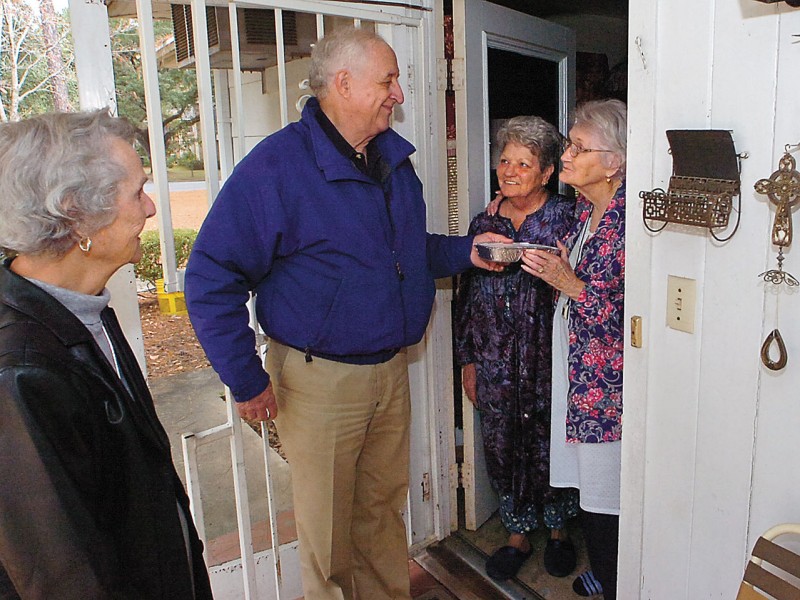
File Photo
By Jennifer Parks
ALBANY — The SOWEGA Council on Aging’s recent announcement about the anticipated change to the Meals on Wheels program made note of a policy requirement of the Georgia Department of Human Services Division of Aging Services concerning volunteer background checks. The announcement noted that the program change supports legislation signed by Gov. Nathan Deal earlier this month.
Shortly after the policy change was reported in The Albany Herald, former Council on Aging executive director Kay Hind told The Herald that such a policy had been on the books for several years without being implemented, that SB 406 should not have played a factor in the decision and that the community should have been better informed of the change.
Earlier this week, DHS officials further connected the change to the policy, saying it has been in place for some time.
Abby Cox, director of the Division of Aging Services, sent the following statement to The Herald to clarify the policy.
“The Department’s policy to require fingerprint-based background checks for any person who has direct contact with clients — employees, contractors or volunteers — has been in place for several years. Additionally, there has been a longstanding contractual requirement for any entity performing service on behalf of the department to abide by agency policy.
“In the case of meals delivered to homebound clients, fingerprint-based background checks are designed to ensure that those who go into the homes of our most vulnerable Georgians do not have a documented history of exploiting or abusing others.
“Home-delivered meals are an integral part of the department’s mission to empower individuals to live safe, healthy and independent lives in the setting of their choosing. In state Fiscal Year 2017, the program provided more than 2.4 million meals to Georgians who were homebound, including providing nutrition to more than 200 Dougherty County residents.
“SOWEGA (Council on Aging) has a long history of leadership within Georgia’s aging network, and their dedication to the older adult and disabled adult populations in their area has set a standard for others to follow.”
Council on Aging officials said earlier this month that, effective June 1, the more than 300 volunteers used to deliver meals to the homebound as part of the Meals on Wheels program in Dougherty County would no longer be utilized, saying it would cost $15,000 a year to perform the necessary COGENT background checks on those volunteers.
Instead, Middle Flint, which handles the homebound meals for the council’s other 13 counties, will perform those duties. A few jobs at the Council on Aging were impacted as a result of the change.
Hind told The Herald that SB 406 was meant to apply to employees, and that the change impacting volunteers had “nothing to do” with the bill.
She also said she has gotten feedback from volunteers who have said they would have been willing to pay for their own background checks if they had known the change was coming, further suggesting a fundraiser could be held to offset the cost if funds were an issue.
SB 406 is meant to enact the Georgia Long-term Care Background Check Program “and to promote public safety and provide for comprehensive criminal background checks for owners, applicants for employment, and employees providing care or owning a personal care home, assisted living community, private home care provider, home health agency, hospice care, nursing home, skilled nursing facility, or an adult day care as recommended by the Georgia Council on Criminal Justice Reform; to repeal conflicting provisions relating to criminal background checks of such individuals and facilities; to provide for definitions; to require facilities to conduct a search of applicable registries for owners, applicants, and employees prior to a criminal background check; to provide the Department of Community Health the authority to conduct national fingerprint-based criminal background checks; to provide for an appeal process when an owner, applicant or employee has been disqualified from licensure or employment; to provide for civil penalties for not terminating an employee with an unsatisfactory criminal background check; to provide for application form notice; to provide for immunity from liability; to provide for rules and regulations; to provide the Department of Community Health with authority over matters relating to facility licensing and employee records checks; to establish a caregiver’s registry to allow certain employers access to criminal background checks conducted by the department; to provide for procedure; to provide for an appeal process; to provide for immunity from liability; to provide a purpose and intent statement; to amend Article 1 of Chapter 2 of Title 49 of the Official Code of Georgia Annotated, relating to general provisions for the Department of Human Services, so as to provide for conforming cross-references; to provide for related matters; to provide an effective date; to repeal conflicting laws; and for other purposes.”
The bill later defines an employee as “any individual who has direct access and who is hired by a facility through employment, or through a contract with such facility, including, but not limited to, housekeepers, maintenance personnel, dieticians, and any volunteer who has duties that are equivalent to the duties of an employee providing such services. Such term shall not include an individual who contracts with the facility, whether personally or through a company, to provide utility, construction, communications, accounting, quality assurance, human resource management, information technology, legal or other services if the contracted services are not directly related to providing services to a patient, resident or client of the facility.
“Such term shall not include any health care provider, including, but not limited to, physicians, dentists, nurses and pharmacists who are licensed by the Georgia Composite Medical Board, the Georgia Board of Dentistry, the Georgia Board of Nursing or the State Board of Pharmacy.”
Izzie Sadler, associate director for the Council on Aging, said that this year, following passage of laws to protect vulnerable seniors, the agency is attempting to further support the legislation by enforcing policy. She also said there are still avenues in which to volunteer.
“The SOWEGA Council on Aging has always appreciated the efforts of our volunteers; however, our agency prioritizes the safety and security of our older adults and people with disabilities,” she said. “We have many opportunities to engage volunteers in other programs and services. Anyone interested in applying to volunteer should call the agency at (229) 435-6789.”
Officials with the agency have said it plans to redirect its Meals on Wheels volunteers to other tasks and that the change was not going to impact the congregate meals offered at the Kay H. Hind Senior Life Enrichment Center.
Related Articles
Small actions can help save big on utility bills
The high temperatures of July and August can bring scorching utility bills as air conditioners hum to keep houses cool. Albany Utilities Residential Conservation Auditor Willie Jackson offered some tips on making summer cooling bills more manageable.
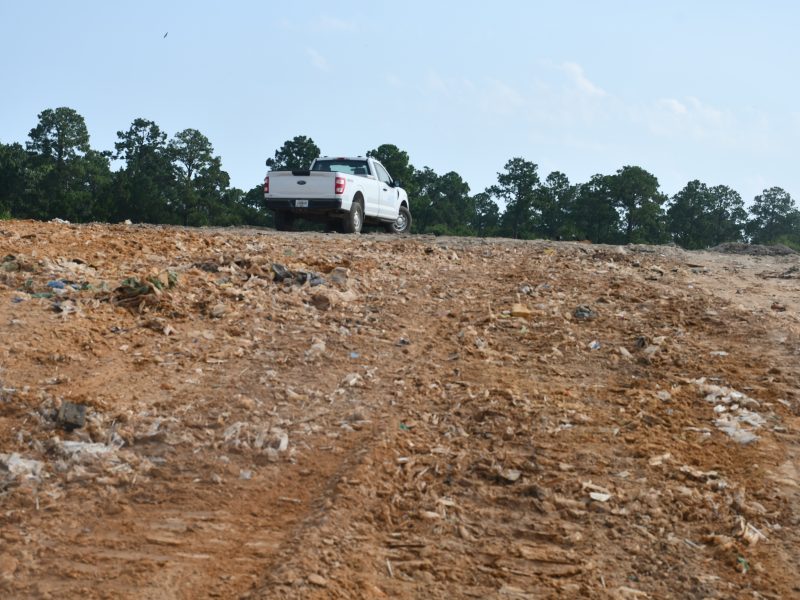
Bigger budget will mean improvements at Dougherty County’s landfill
“It’s certainly an opportunity where we can grow and make this very beneficial for years to the community. It’s a service that we provide for the community and I want to prolong that resource for the community. It’s not just fill it up and close it.”
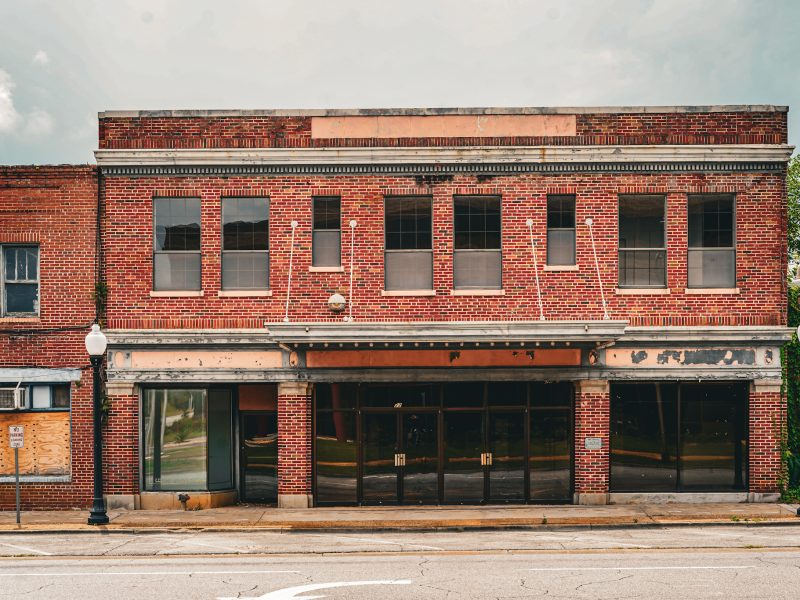
Putting on the Ritz: The rise, fall and renewal of Albany’s Harlem District
On July 7, the Albany City Commission unanimously approved final construction drawings for a comprehensive restoration of the Ritz Theatre and Cultural Center, clearing the way for the project to move into competitive bidding after years of planning and preservation efforts. The decision marks the latest chapter in a decades-long effort to preserve one of Southwest Georgia’s most significant African American landmarks.
