
Dyer: DCSS tech initiative process of lessons learned, successes
$14 million outlay school system’s largest that did not involve a building
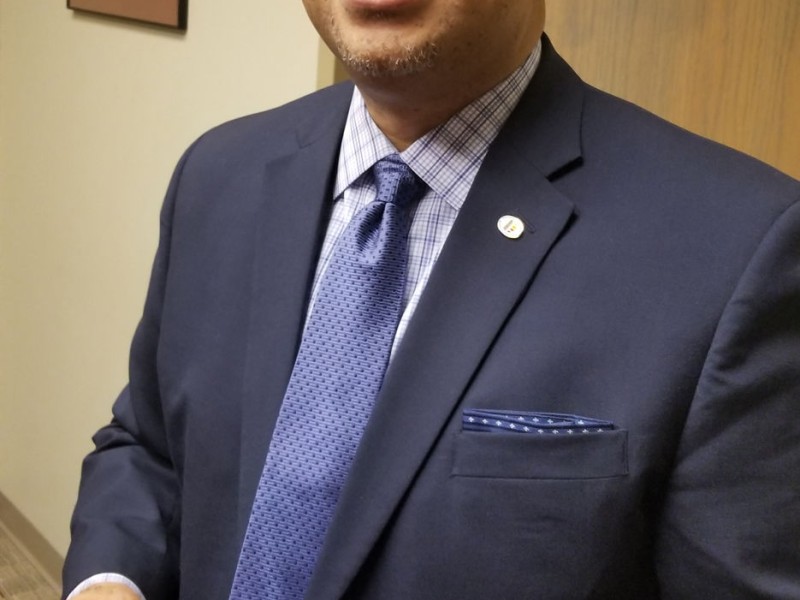
By Terry Lewis
ALBANY — During the 2014-15 school year, the Dougherty County School System began implementation of a 1-to-1 Technology Initiative with the initial goal of supplying each DCSS K-12 student a personal computing device.
The first phase of the 1-to-1 (one student, one device) initiative was completed during the 2015-16 school year, during which all students in grades K-5 received a Dell Venue 11 tablet and all students in grades 6-12 received a Dell Latitude 11 laptop. The price tag? $14 million.
Students in grades 3-12 are allowed to take the devices home, as a way to extend the learning day beyond the normal school hours, if needed. However, a number of DCSS students still lack internet access at home, and although the devices can be used while offline, the level of effectiveness is reduced if access to the internet is not available. Many of the instructional support products used by the DCSS require internet access.
The $14 million outlay was the largest capital expenditure that did not involve a brick and mortar building in the system’s history. But after three years — and 9,000 tablets and 7,000 laptops later — how has the bold initiative worked out?
“Before getting the computers, we also had upgraded our network,” DCSS Superintendent Ken Dyer said. “We still don’t have wireless access all over the community because that’s not something we can do on our own, but we are working on that from several different angles. That’s an important step, but it’s not absolutely necessary. It does help extend the learning day.
“But we’re not the only ones pushing for Wi-Fi in our rural areas. The ag industry is also making a push for farmers. There is an overall push for rural broadband, and we are going to support that because it impacts education as well.”
Dyer said the system is about to embark on the second phase of the initiative, which is getting the correct age-appropriate devices in the hands of the students.
“The first phase has worked well; we’ve had some success and we’ve had some challenges,” the superintendent said. “Whenever you try to do a systemwide initiative and you are shifting the paradigm as much as we are, you are going to have some lessons learned, and we have had some of those. But we have had a lot more successes than lessons learned. We’re getting better, and the goal is to continually improve and have authentic learning.”
Dyer said that “authentic learning” is driving the initiative.
“In education, there used to be a time when everything was based on rote memorization and recall,” he said. “And that was valued in society. With technology the way it is now, rote memorization is not very valuable because if you don’t know something, you Google it. I believe that time has passed.
“We need to shift our focus to critical thinking skills, problem solving, collaboration and teamwork because those are the things that are going to carry our students to the next generational work force.”
Late last year, the district received a $902,000 Technology for Teachers grant from the One Georgia Authority. Dyer said the money has been earmarked for systemwide technology upgrades such as enhanced software and new computer tablets for students at Robert Harvey, Turner and Alice Coachman elementary schools, in addition to teacher training.
“It’s not surprising that some of our students can work their way around a tablet or laptop better than some of our teachers,” Dyer said. “This will also be an area of emphasis for us.”
Related Articles
Albany police investigate suspicious Sunday death
A 21-year-old Turner Job Corps student who was found unresponsive on Sunday evening was later pronounced dead at Phoebe Putney Memorial Hospital. The death is under investigation.

James Rubino installed in new role at Marine Corps Logistics Command in Albany
James L. Rubino recently assumed the role as executive deputy of Marine Corps Logistics Command in Albany. In his new role he will oversee integrated logistics support.

Rain depresses voter turnout in Dougherty County
“A lot of people don’t vote when it’s raining. People don’t do a lot of things when it’s raining.”
