
Flu activity high in Albany and southwest Georgia
More than 30 positive flu cases reported from the sentinel healthcare providers in southwest Georgia last week
By Jennifer Parks
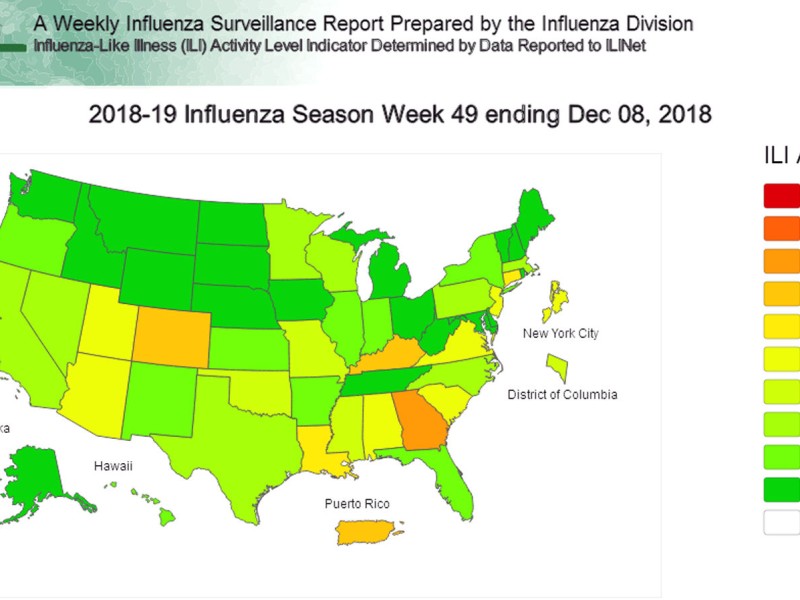
ALBANY — Flu activity in the Albany area is currently at a high level, reflecting what Georgia is seeing, public health officials said.
“In Georgia, we are seeing a high level of flu-like illness overall,” Jacqueline Jenkins, epidemiologist with the Southwest Public Health District, said. “That mirrors what we are seeing in Albany and southwest Georgia.”
Jenkins said there were clusters of activity reported in schools and nursing homes in the district’s 14-county area of southwest Georgia early in this year’s flu season, but that there has not been any further activity like that reported to public health officials since October.
Given what is typical this time of year, this might be encouraging news — but the worst is still likely to come.
“We would usually expect to see clusters (at this point),” she said. “Flu is definitely here, and it is definitely circulating.”
Last week, more than 30 positive flu cases were reported from sentinel healthcare providers in the health district from 500 flu-like visits to these providers, Jenkins said.
The peak of the flu season usually hits in January or February, so Jenkins said the main concern that health officials have now is the message of flu vaccination. She said this year’s shot is a good match against the strains that are circulating, which is roughly a 50/50 mix of Influenza A and Influenza B.
Typically, Influenza A would dominate the activity.
“It just varies from season to season,” she said.
Apart from the flu vaccine, which is recommended annually to most individuals ages six months and older, Jenkins said proper hand hygiene, covering coughs and sneezes and remaining home when ill are still good methods for preventing the spread of flu.
“We urge people to get the vaccine,” she said.
Once a person receives the shot, it can take up to a month for the body to build up protection from the flu. Those who get the shot and still catch the flu typically have a less severe form of the disease.
Young children, older adults, pregnant women and those with chronic illness are considered to be among those most at risk for complications. Symptoms typically include fever or feeling feverish, cough, sore throat, runny or stuffy nose, muscle or body aches, headaches, fatigue and vomiting and diarrhea.
The most recent flu activity report from the Georgia Department of Public Health said outpatient illness surveillance showed that the proportion of outpatient visits for flu-like illness was 4 percent, above the regional baseline of 2.2 percent, for the week that ended on Dec. 8.
The report said that flu is widespread in the state, and that there were two flu-related deaths confirmed in Georgia that week. Also during that week, 7 percent of specimens tested positive for flu by clinical laboratories — and there were no outbreaks reported.
There have been a total of four flu-related deaths, and two outbreaks, in Georgia since Sept. 30. The season usually carries into the early spring months.
General information about flu, including national surveillance and more detail on the vaccine, can be found at www.cdc.gov/flu. For more information on activity in Georgia, visit dph.georgia.gov/flu-activity-georgia.
Related Articles
Georgia’s school funding formula still ignores poverty; educators say students pay the price
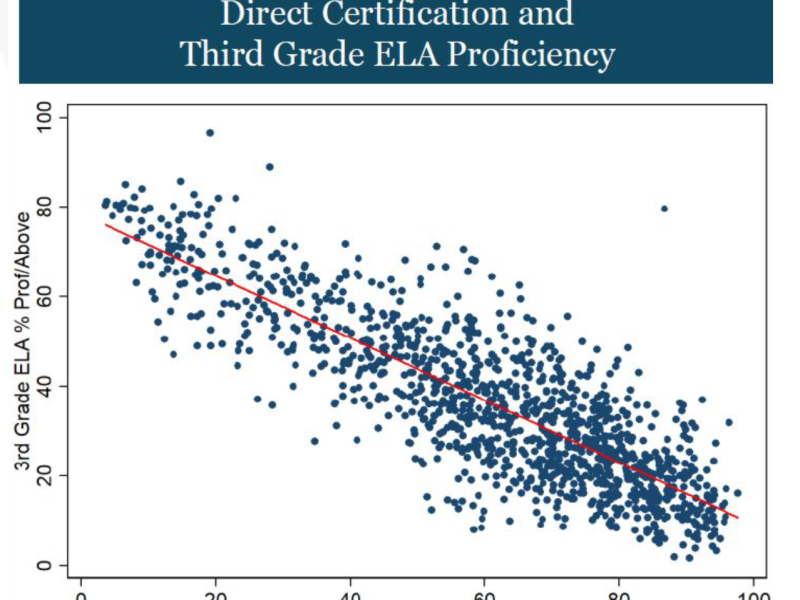
During a report to the board on the outcomes of this year’s legislative session, Dyer discussed the district’s efforts to persuade lawmakers to add an “opportunity weight” to Georgia’s Quality Basic Education (QBE) funding formula — a change supporters say would provide additional state funding for students living in poverty.
Red light violations will bring citations at a dozen Albany intersections
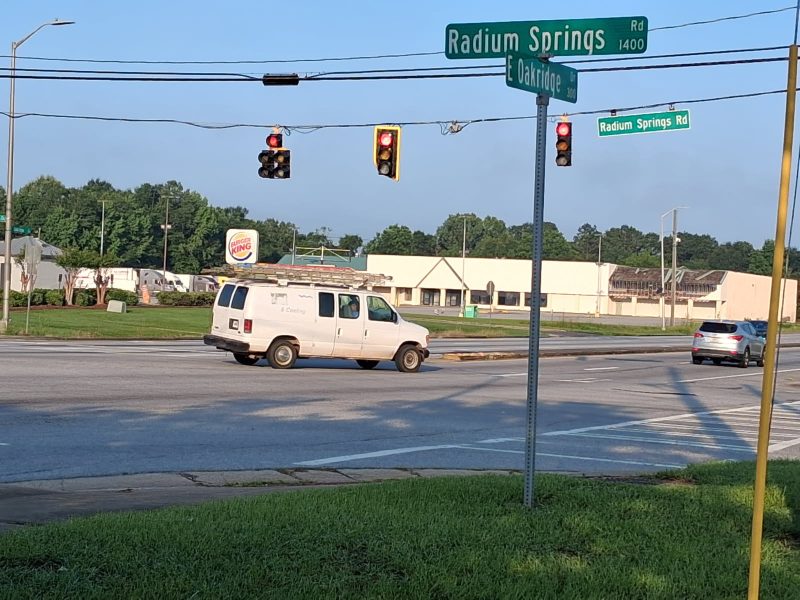
“That was always the goal of the school zone cameras, to change the behavior. It’s the same with the red lights, we want to change the behavior. When you see a yellow light, you need to slow down and prepare to stop.”
Dougherty Commission considers $104 million budget for 2026-2027 budget year
“The other side of the coin is you could have higher revenues than projected. We’re very conservative in budgeting revenues. That also reduces the need to use fund balance”
