
Gas prices slowly falling in Southeast
Disruption in Southeastern fuel pipeline is still being felt in market
By Jim Hendricks
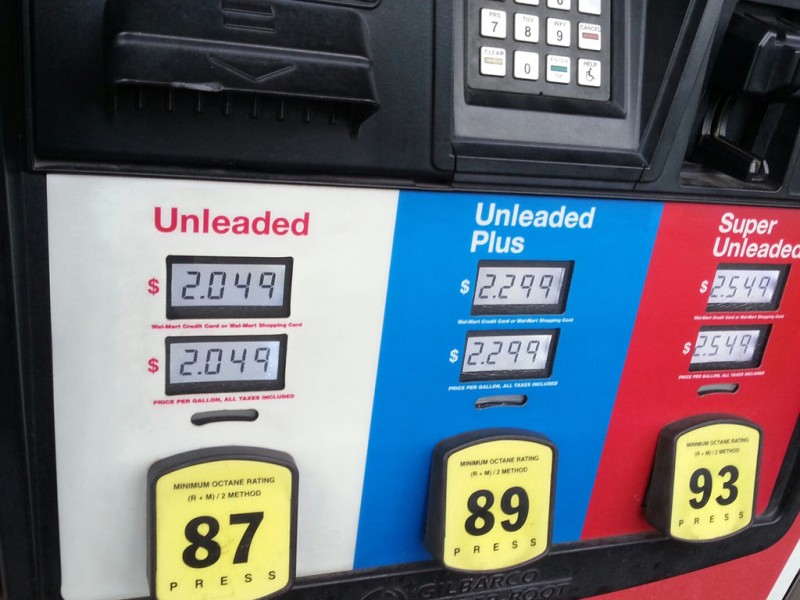
ALBANY — Gas prices in the Southeast are continuing to decline as the region recovers from the interruption last month from a leak in a major fuel pipeline that sent prices up sharply.
Meanwhile, national averages are up from last week after OPEC announced plans to freeze production levels.
Hurricane Matthew, a category 4 storm packing winds of 140 mph, does not appear to be on a trajectory that will impact the Gulf oil and refinery region, though it could impact states already recovering from the pipeline leak.
“Volatility continues in the Southeastern and Mid-Atlantic regions where gasoline prices remained high as a result of the Colonial Pipeline disruption,” Mark Jenkins, a spokesman for AAA — The Auto Club Group, said. “Even though the Colonial Pipeline successfully restarted Line 1 more than a week ago, the effect of the disruption is still being felt in those regions and will take some time to get fully resupplied.”
Georgia motorists who normally see prices below the national average were paying 8-8.5 cents more than U.S. motorists as a whole Monday, according to surveys by GasBuddy and AAA’s Daily Fuel Gauge Report. The national average, according to both services, was $2.24, up slightly less than 2 cents from Sept. 26. Georgia motorists were paying an average $2.305 (AAA) to $2.309 (GasBuddy), down 4.4-5.1 cents in a week, depending on the survey.
“Gasoline prices quickly reacted to news last week that OPEC had come to a decision regarding cutting back oil production,” Patrick DeHaan, senior petroleum analyst for GasBuddy, said. “Oil prices surged on the news, which fueled gas prices to jump as well, but several days after the news broke, there’s reason to doubt OPEC’s sincerity of a possible production cut.
“In addition, Hurricane Matthew is a major storm worth monitoring as it heads for the East Coast, perhaps to areas affected by the Colonial Pipeline outage last month.”
OPEC members, who have not released details on their agreement, are set to meet again Nov. 30, AAA officials said.
On Monday, Iran called for other oil producers to support OPEC in supporting the crude oil market. Reuters reported Monday afternoon that U.S. West Texas Intermediate (WTI) crude closed up 57 cents, or 1.2 percent, at $48.81. Before settlement, U.S. crude hit $49.02, its highest since July 5.
Compared to what they were paying last month and on Oct. 3, 2015, Georgia motorists were spending 14.7 cents to 15.9 cents more per gallon, the surveys found.
Metro Albany ranked third-highest in the Daily Fuel Gauge Report’s survey of eight Georgia metro areas, though it was below both the state and national averages at $2.203 a gallon, down less than a dime from the previous Monday. Compared to last month, Albany motorists Monday were paying 19 cents more per gallon than they were a month ago and 6.7 cents more than last year.
Metro Atlanta had the highest average Monday on the AAA report at $2.392, followed by Athens at $2.354. The lowest average Monday was in Augusta, which the survey said was averaging $2.155.
Matthew’s projected track, according to the National Hurricane Center, has it moving north and likely hitting eastern Cuba, Haiti and the Bahamas before continuing north of or touching the east coasts of Florida, Georgia and the Carolinas.
Related Articles
Georgia’s school funding formula still ignores poverty; educators say students pay the price
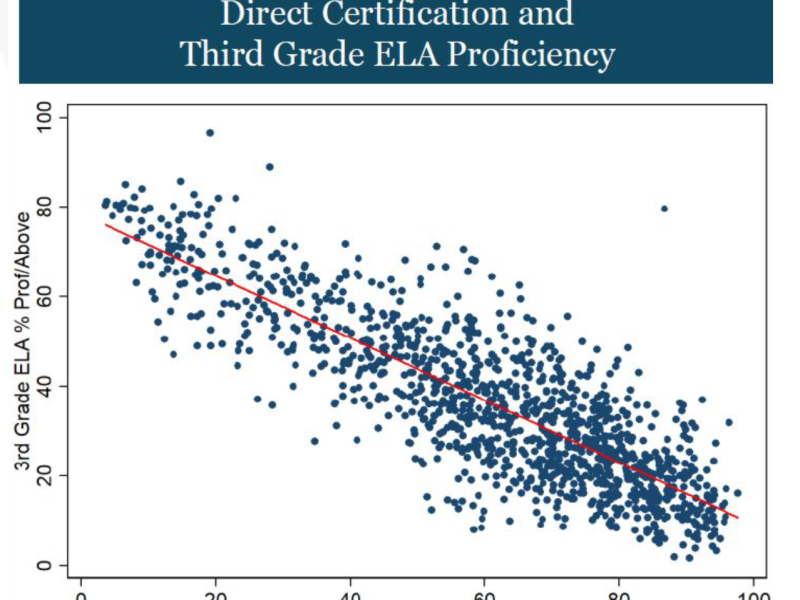
During a report to the board on the outcomes of this year’s legislative session, Dyer discussed the district’s efforts to persuade lawmakers to add an “opportunity weight” to Georgia’s Quality Basic Education (QBE) funding formula — a change supporters say would provide additional state funding for students living in poverty.
Red light violations will bring citations at a dozen Albany intersections
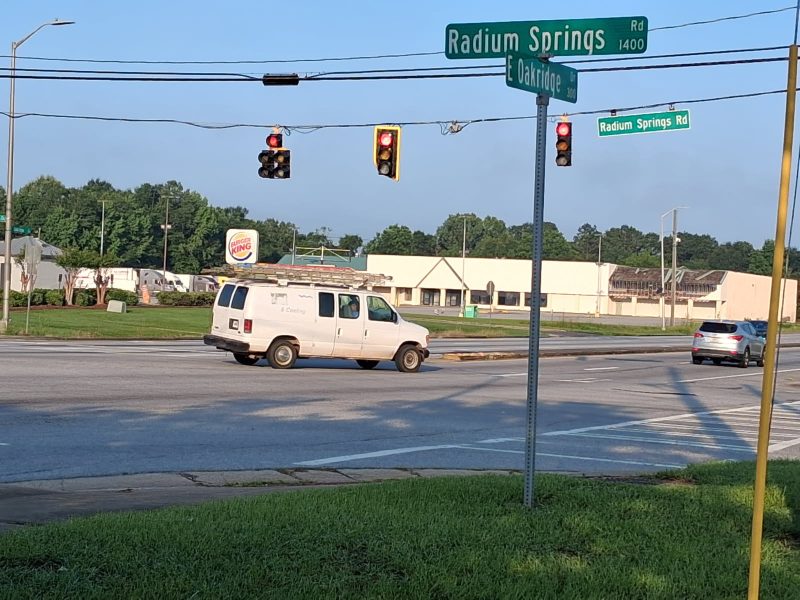
“That was always the goal of the school zone cameras, to change the behavior. It’s the same with the red lights, we want to change the behavior. When you see a yellow light, you need to slow down and prepare to stop.”

Dougherty Commission considers $104 million budget for 2026-2027 budget year
“The other side of the coin is you could have higher revenues than projected. We’re very conservative in budgeting revenues. That also reduces the need to use fund balance”
