
Sherrod, USDA Equity Commission complete report
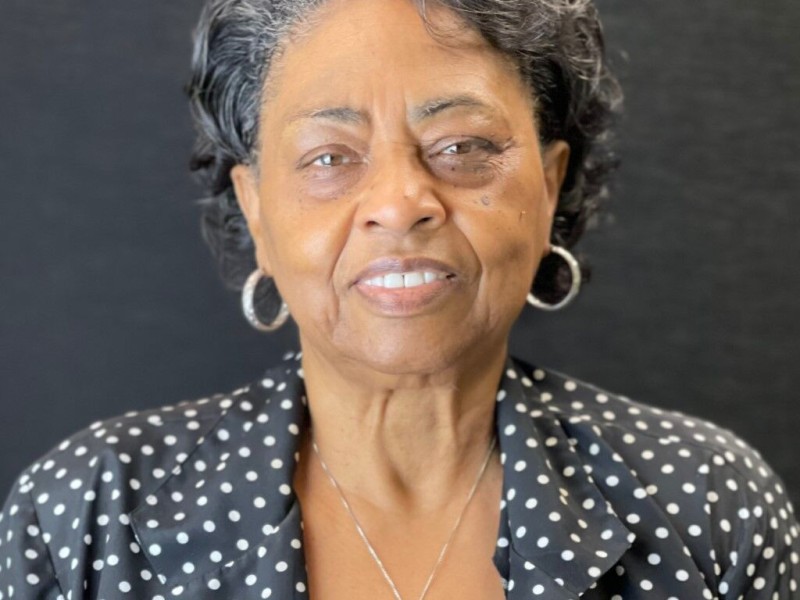
Shirley Sherrod
Special PhotoFrom staff reports
[email protected]
WASHINGTON, D.C. — With his voice breaking slightly, the U.S. Agriculture Secretary, who 14 years ago fired Shirley M. Sherrod, credited her publicly with”‘removing the blinders” from his eyes to the realities of discrimination. Agriculture Secretary Tom Vilsack made the remarks last week as he accepted the final report of USDA’s Equity Commission, of which Sherrod is a member.
“Pardon me for just calling her out,” Vilsack said as Sherrod listened from the front row during the Feb. 22 ceremony. “If there has been any person in my life that has taken the blinders off my eyes, it’s you, Shirley. I am forever grateful.”
On July 19, 2010, Vilsack fired Sherrod as Director of Rural Development for the United States Department of Agriculture after a conservative blogger falsely suggested she discriminated against a white Southwest farmer and refused to help save his farm.
For nearly a minute of his 23-minute acceptance speech, Vilsack recognized and ribbed Sherrod for her toughness and unadulterated input on the report aimed at improving equity in the delivery of the department’s programs and services.
“I’m going to tell you,” Vilsack said. “I know at least on this commission is one really tough task master,” he said as the audience broke into laughter. “I’m not going to call her out. She’s here. She’s in the front row. She’s wearing a little red today.”
Since February 2022, Sherrod met virtually and in person with the 41-member commission whose 90-page final report included 66 recommendations to help level the playing field at USDA.
“This report is about seeing people. And I mean really seeing people,” Vilsack said.
As an example, Vilsack cited recommendations aimed at helping black farmers secure credit, combat heirs’ property issues, and improve land and market access.
Sherrod echoed the Agriculture secretary’s assessment.
“I think our work on the Equity Commission stands to benefit black farmers in a number of meaningful ways,” Sherrod said.
Among the recommendations she highlighted was the need for USDA to provide non-loan options for producers to prevent the creation of heirs’ property and fractionated land, an issue disproportionately threatening black farmers and landownership.
She pointed as well to the commission’s push for better training, representation and accountability by USDA county committees, given the historic inequities in the delivery of programs and services.
Sherrod noted the urgency of addressing the problematic one-to-one contribution match required of historically black 1890s land grant universities wanting to access USDA programs and services.
And she stressed the need for greater USDA funding to improve broader access to USDA’s community-led land access and transition projects.
Meanwhile, the Washington, D.C. ceremony included USDA Deputy Secretary Xochitl Torres Small and Dewayne Goldmon, senior advisor for racial equity.
Both traveled to Albany in the last year, meeting with Sherrod at Resora, the main campus of The Sherrod Institute.
The organization serves as the consolidated brand of New Communities, The Southwest Georgia Project for Community Education and the Charles Sherrod CDC, whose shared mission is to train black southwest Georgia farmers in best practices, so that their farms will thrive.
Author

Related Articles
Dawson Council approves $400,000 lifeline in emergency meeting as financial accountability remains elusive
Less than a week after city officials publicly acknowledged the City of Dawson cannot continue operating without additional financing, the Dawson City Council convened a hastily called emergency meeting Tuesday evening and unanimously approved authority to borrow up to $400,000 through a tax anticipation note.
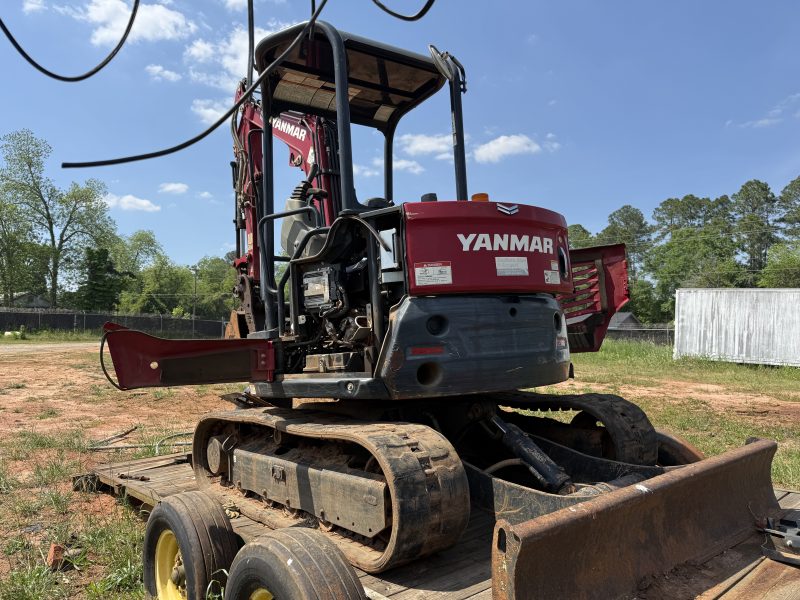
Dawson approves $68K excavator purchase after months of contradictory public statements
The decision concludes one portion of a controversy that has generated months of public scrutiny but leaves several unanswered questions regarding how the city’s original machine was damaged, whether employees were held accountable and what documentation supports the decision to replace rather than repair it.
Dawson proposes borrowing up to $420,000 to stay afloat as finances unravel
Documents obtained by The Dawson News show city officials are proposing to balance the budget through a transfer from the Public Utilities Fund while simultaneously seeking authority to borrow as much as $420,000 from a private financial institution to continue meeting payroll and other operating expenses as Dawson works to complete financial audits that have remained unfinished since 2023.
