
K-9 unit serves as strong asset at MCLB-Albany
Marine Corps Police Department at MCLB-Albany includes a K-9 unit
By Jennifer Parks
This is the 25th installment in a series highlighting the individuals and entities aboard Marine Corps Logistics Base-Albany.
MCLB-ALBANY — One of the most significant assets to the security at Marine Corps Logistics Base-Albany is also one of the biggest draws to the installation’s Independence Day celebration.
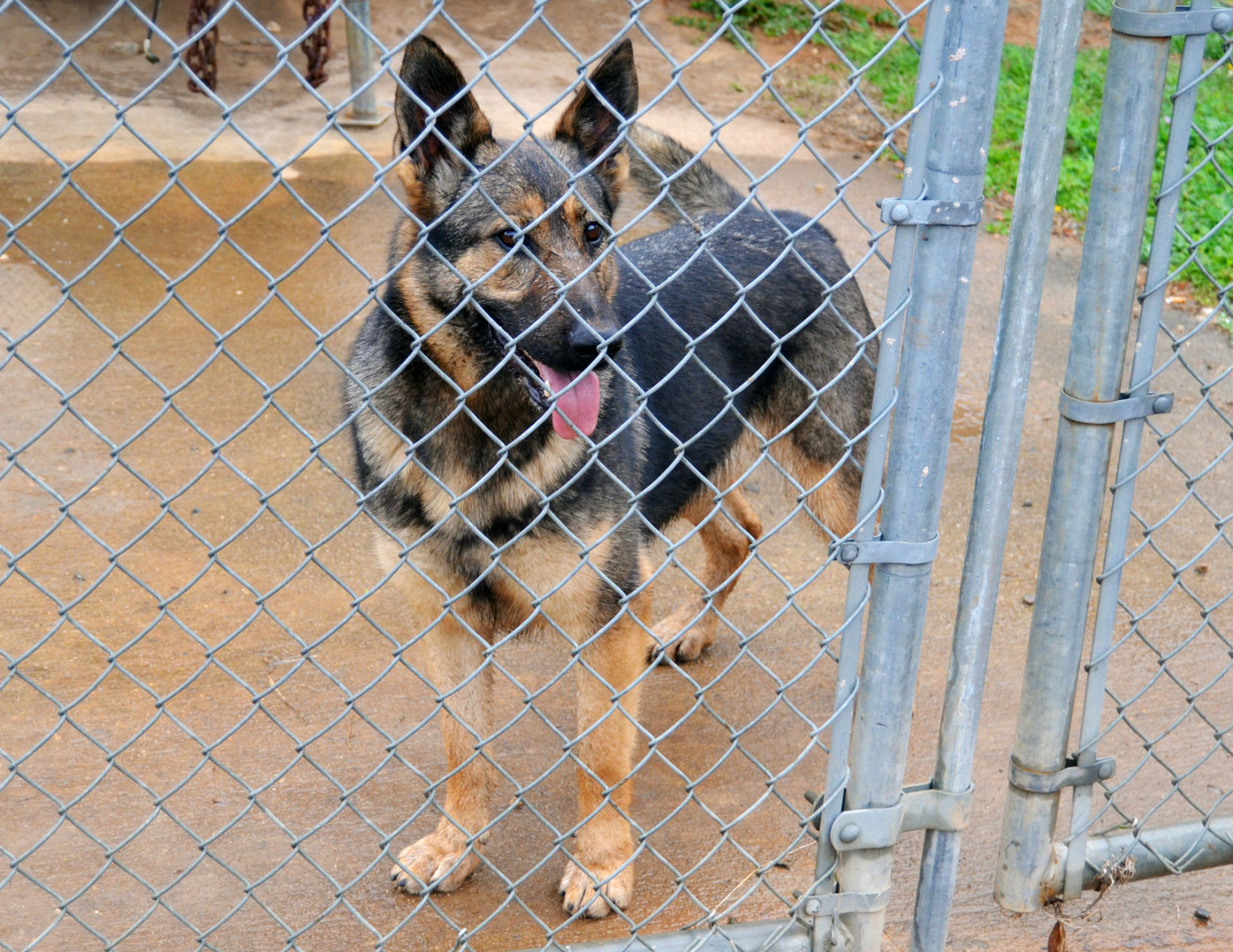
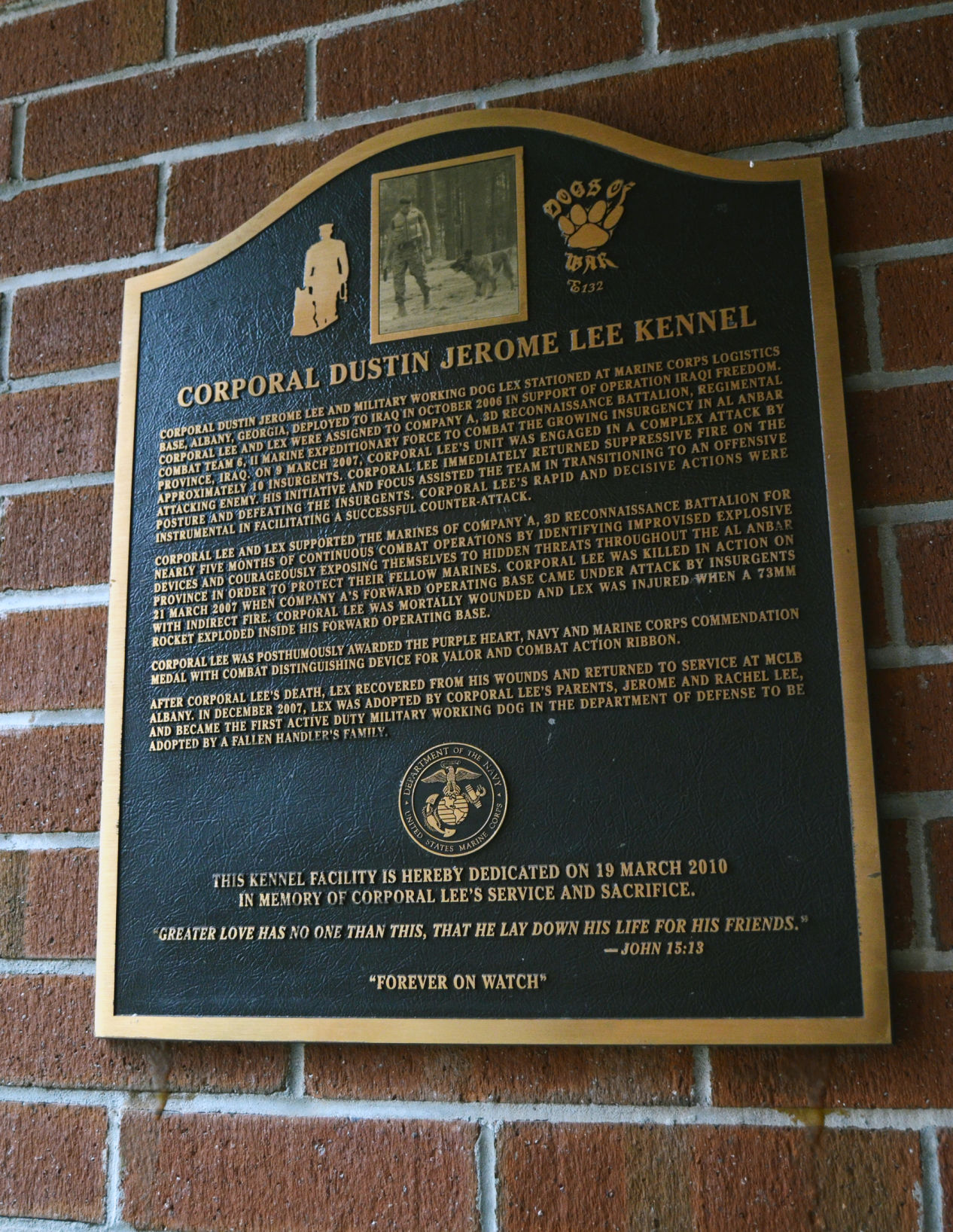
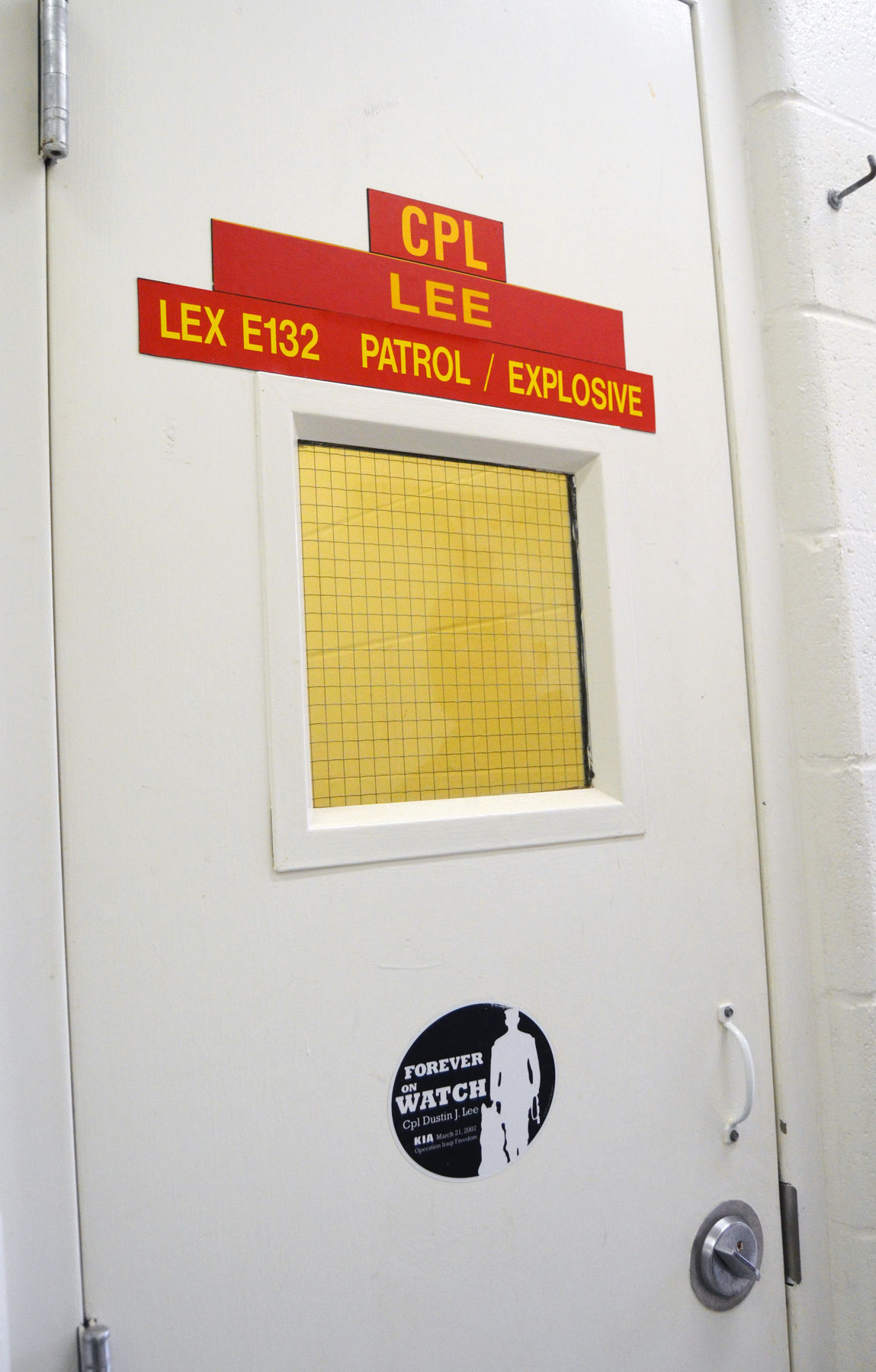
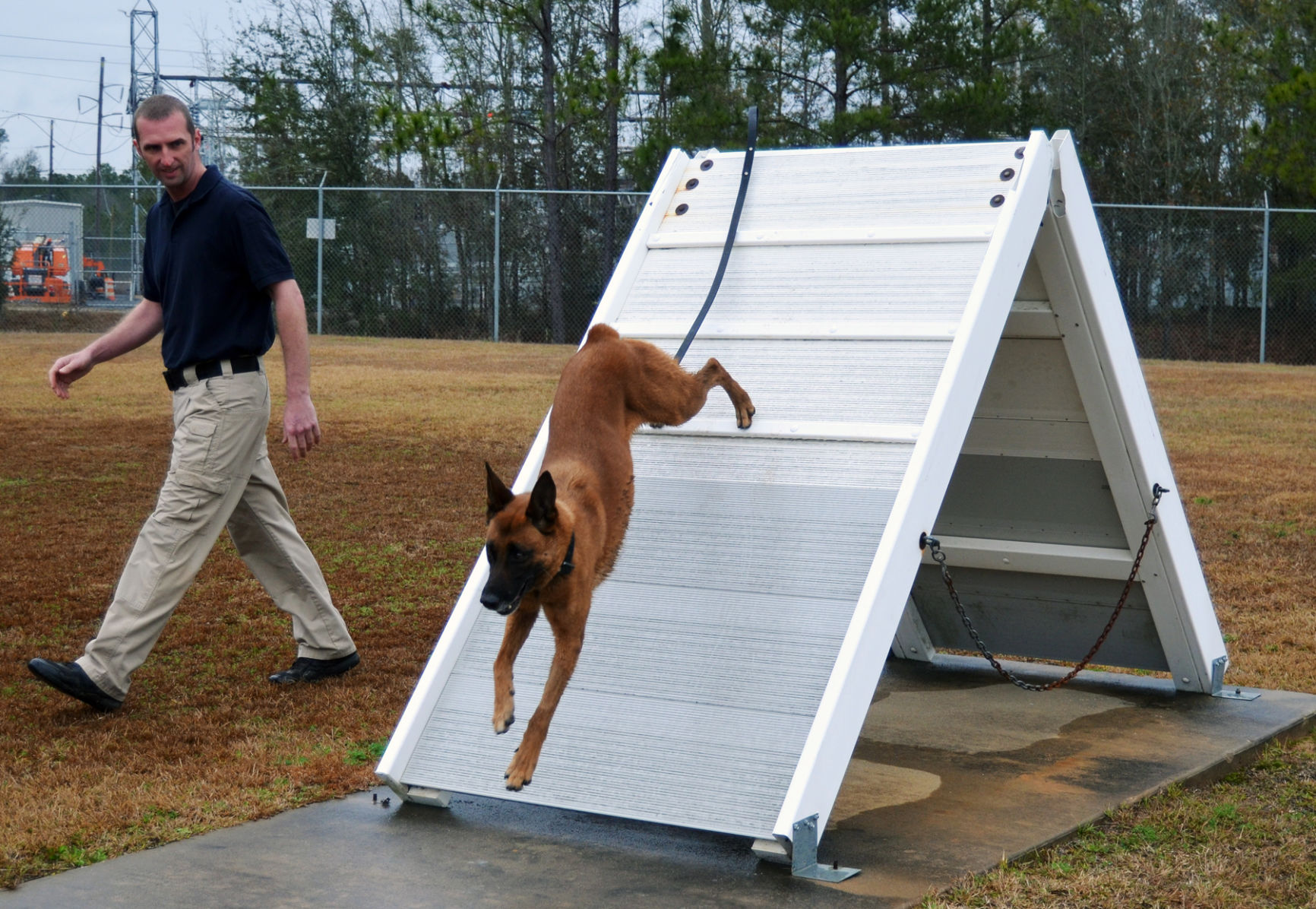
The Cpl. Dustin Jerome Lee Kennel, named for a Marine dog handler who was killed in Iraq in 2007, houses the K-9 unit of the installation’s Marine Corps Police Department — including the dogs who work in it.
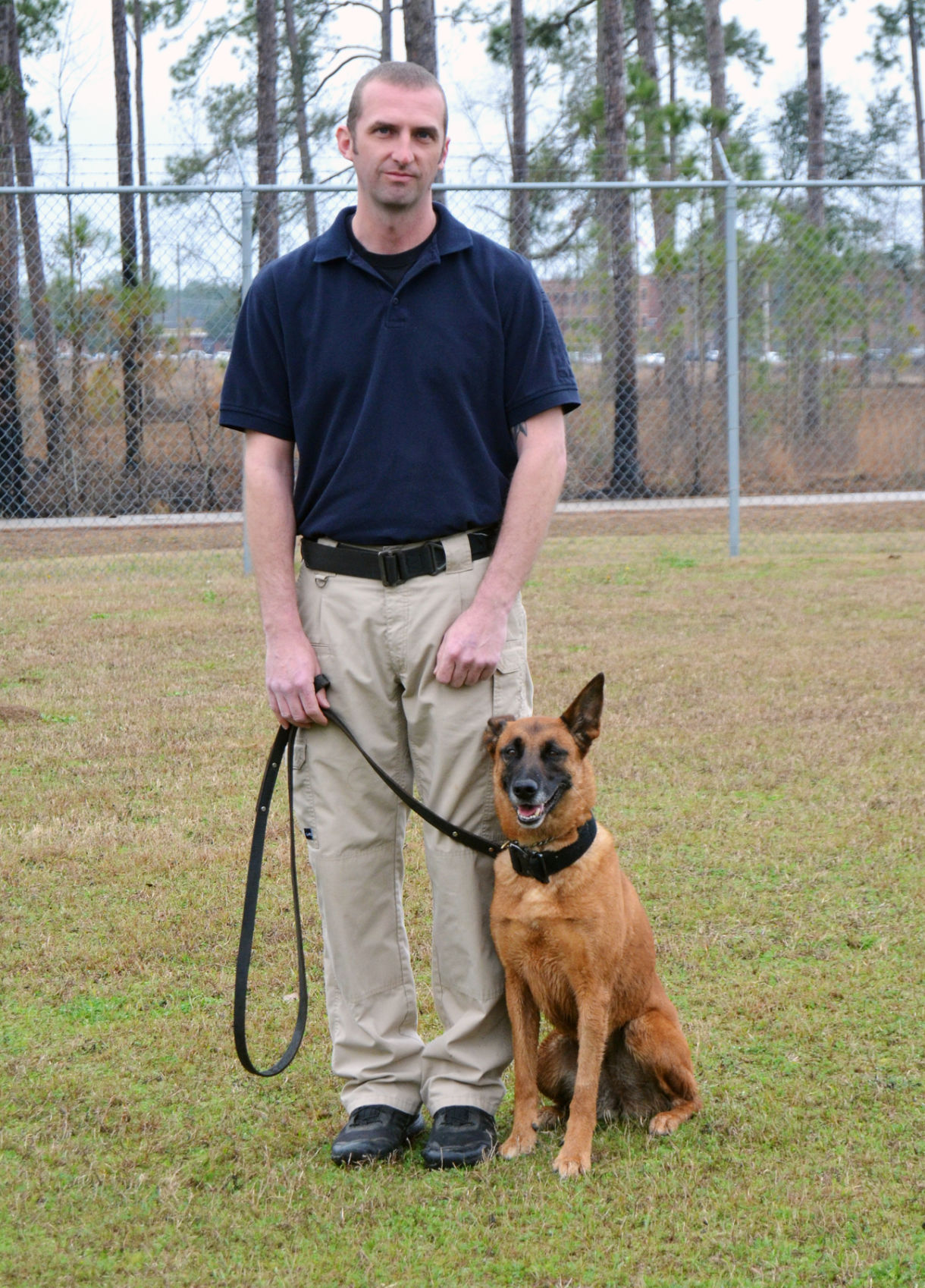
Lt. Erin Zupko, the kennel master at MCLB-Albany, said the dogs are used to assist with security operations — including explosive detection, drug detection and patrol operations — as well as Secret Service assistance, including protection for former President Jimmy Carter and the inauguration of President Trump.
“Besides (the duties) here, we are mainly assisting the Secret Service during their missions,” Zupko said.
In the community, per memorandum of understanding agreements that are in place, the K-9 unit may respond to bomb threats called into schools in the Southwest Georgia area. The unit also participates in Career Day events in Worth County Schools.
Special appearances for the unit are usually coordinated through the installation’s Communication and Strategic Operations Office, formerly known as the Public Affairs Office.
“(We go to other places, but) Worth County is just the most consistent,” Zupko said.
In their detection and patrol duties, a dog can either seek explosives or drugs. Because responses are similar, a dog cannot work both.
In the event an explosive is detected, dog handlers call in someone else to take over the scene.
“We as dog handlers will not go in after explosives after a dog responds,” the kennel master said.
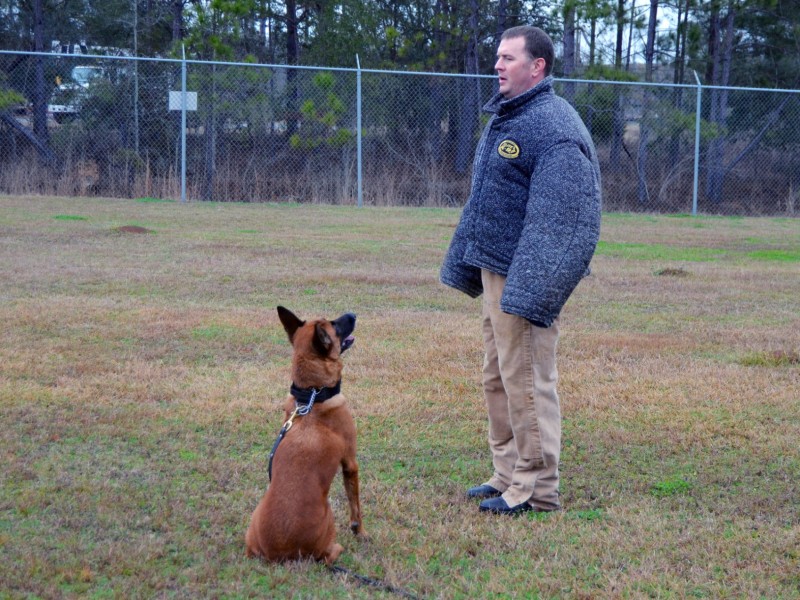
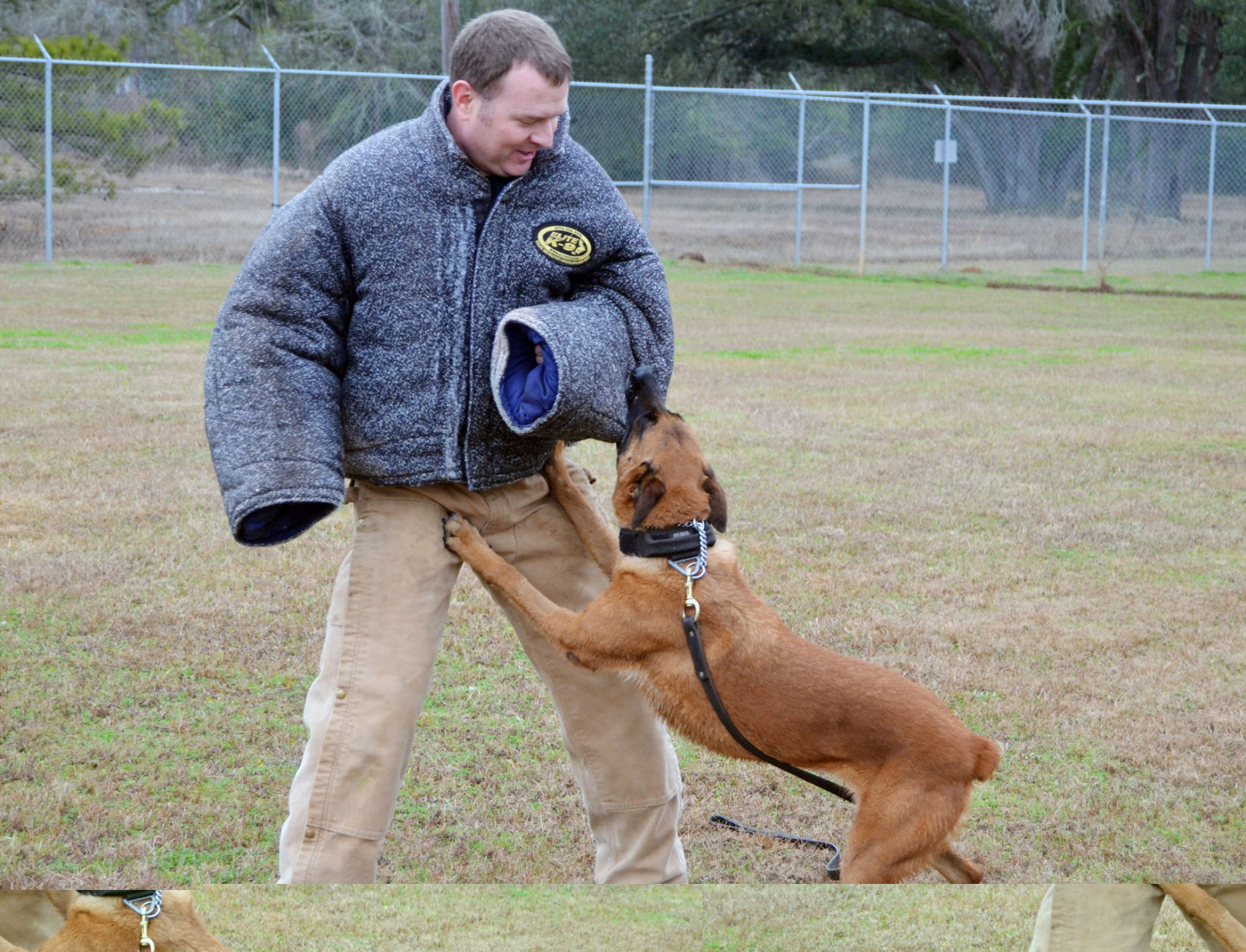
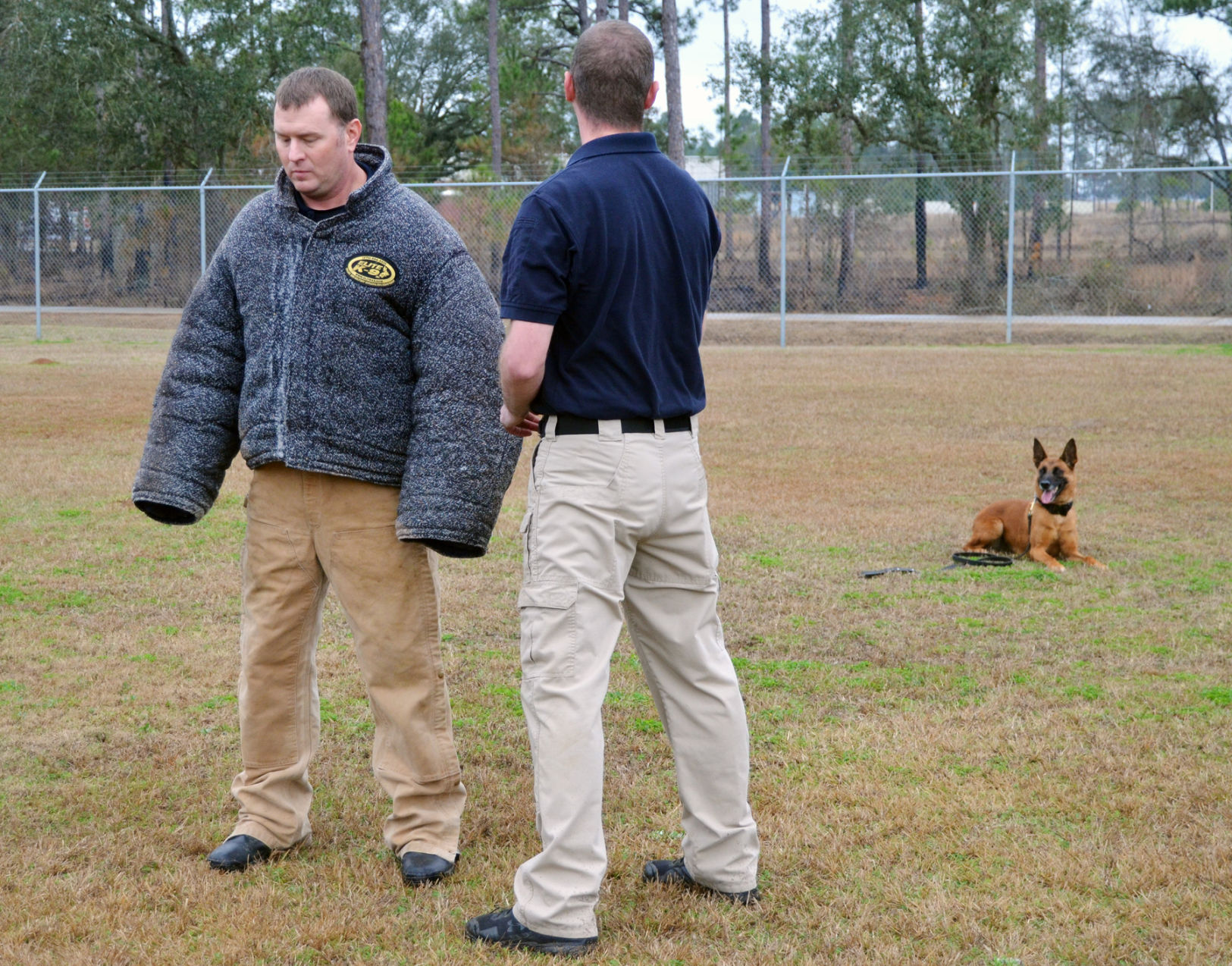
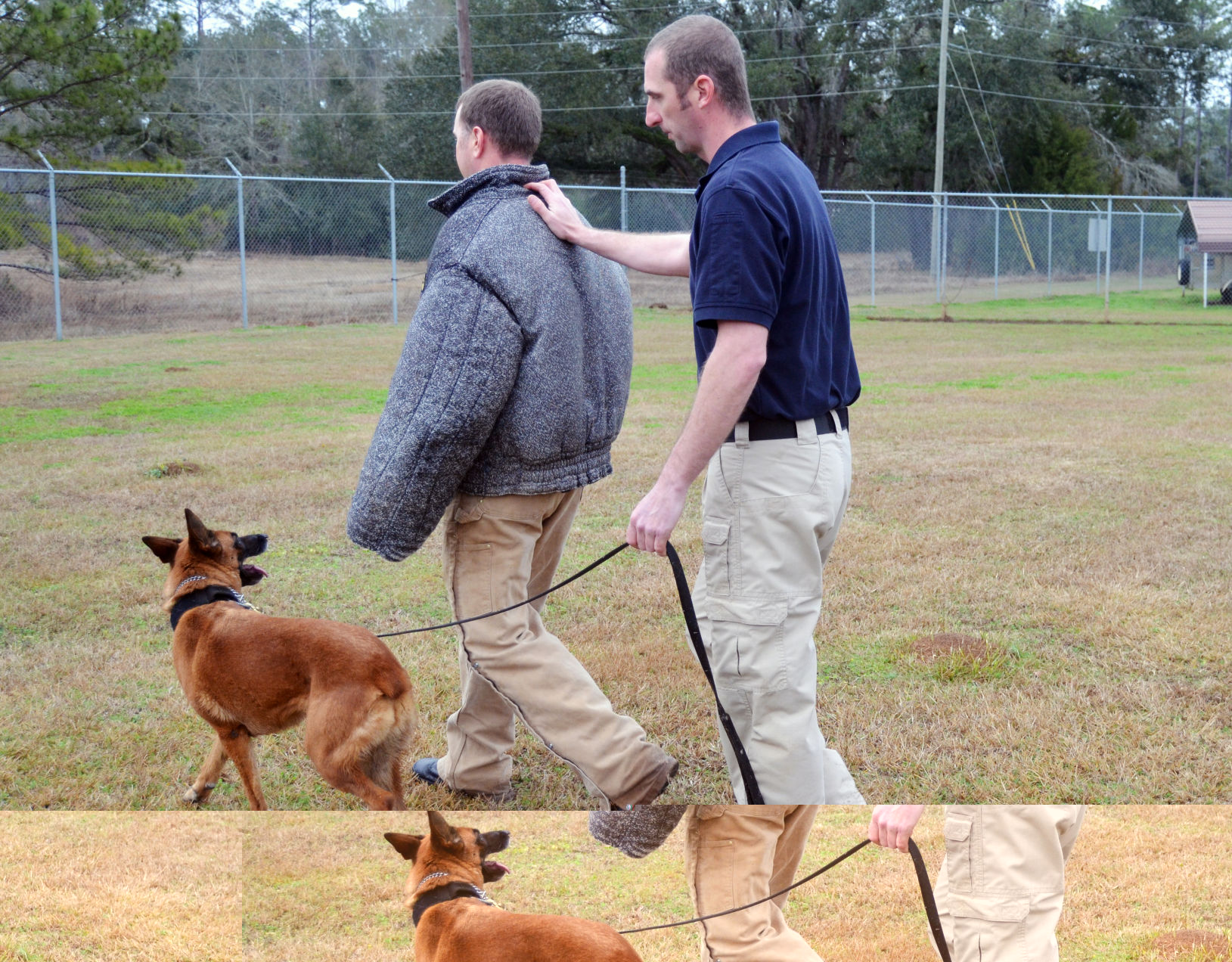
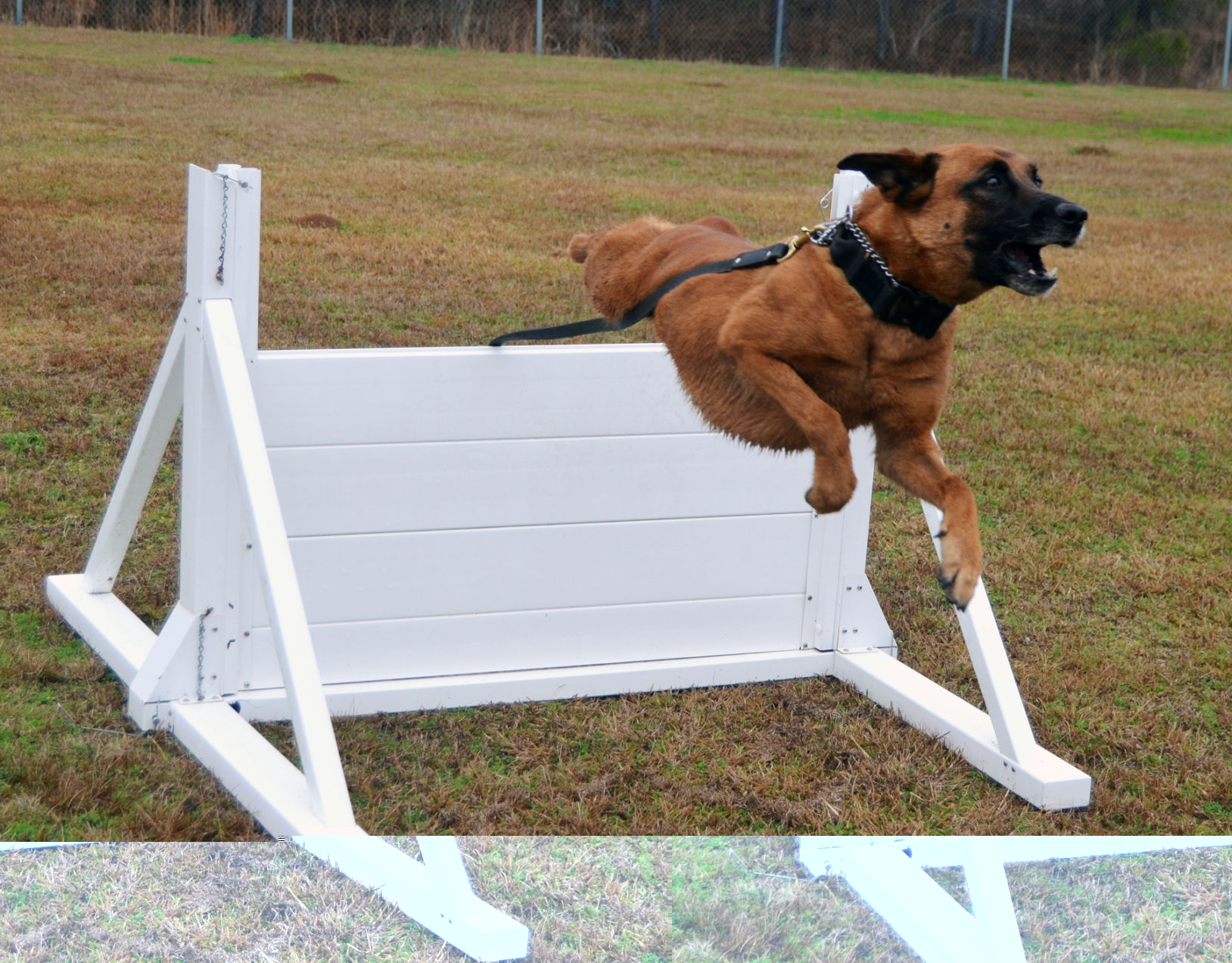
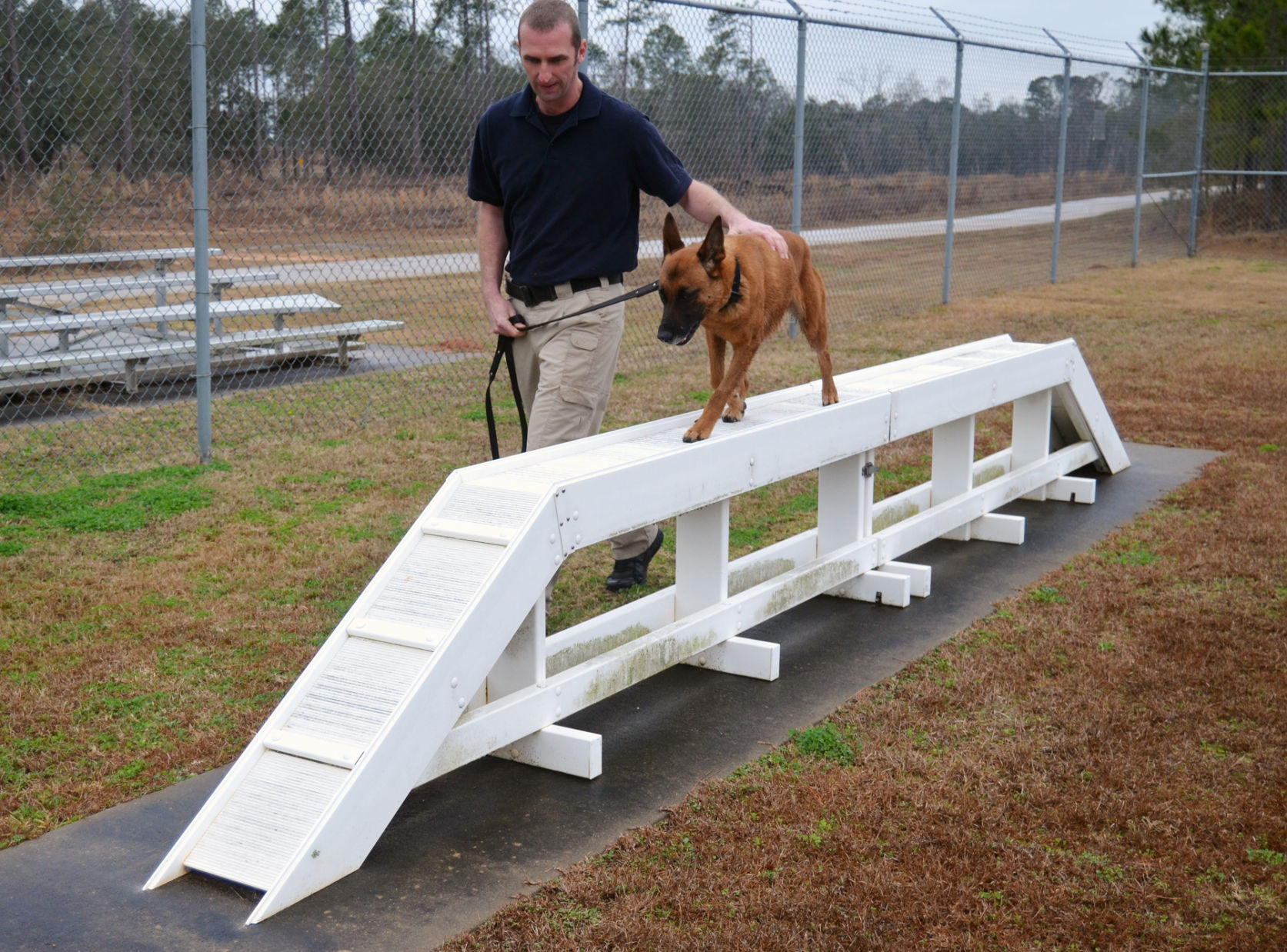
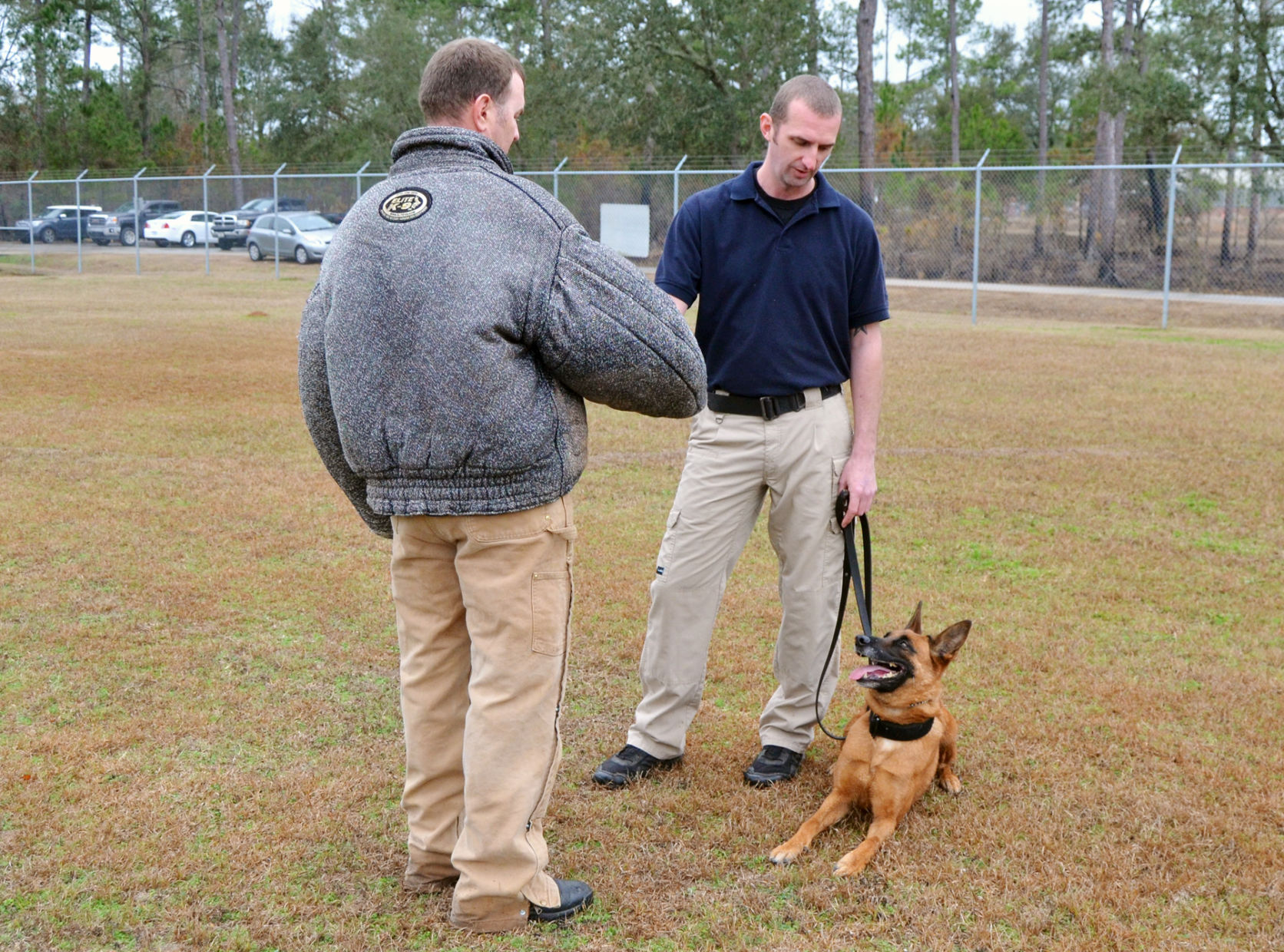
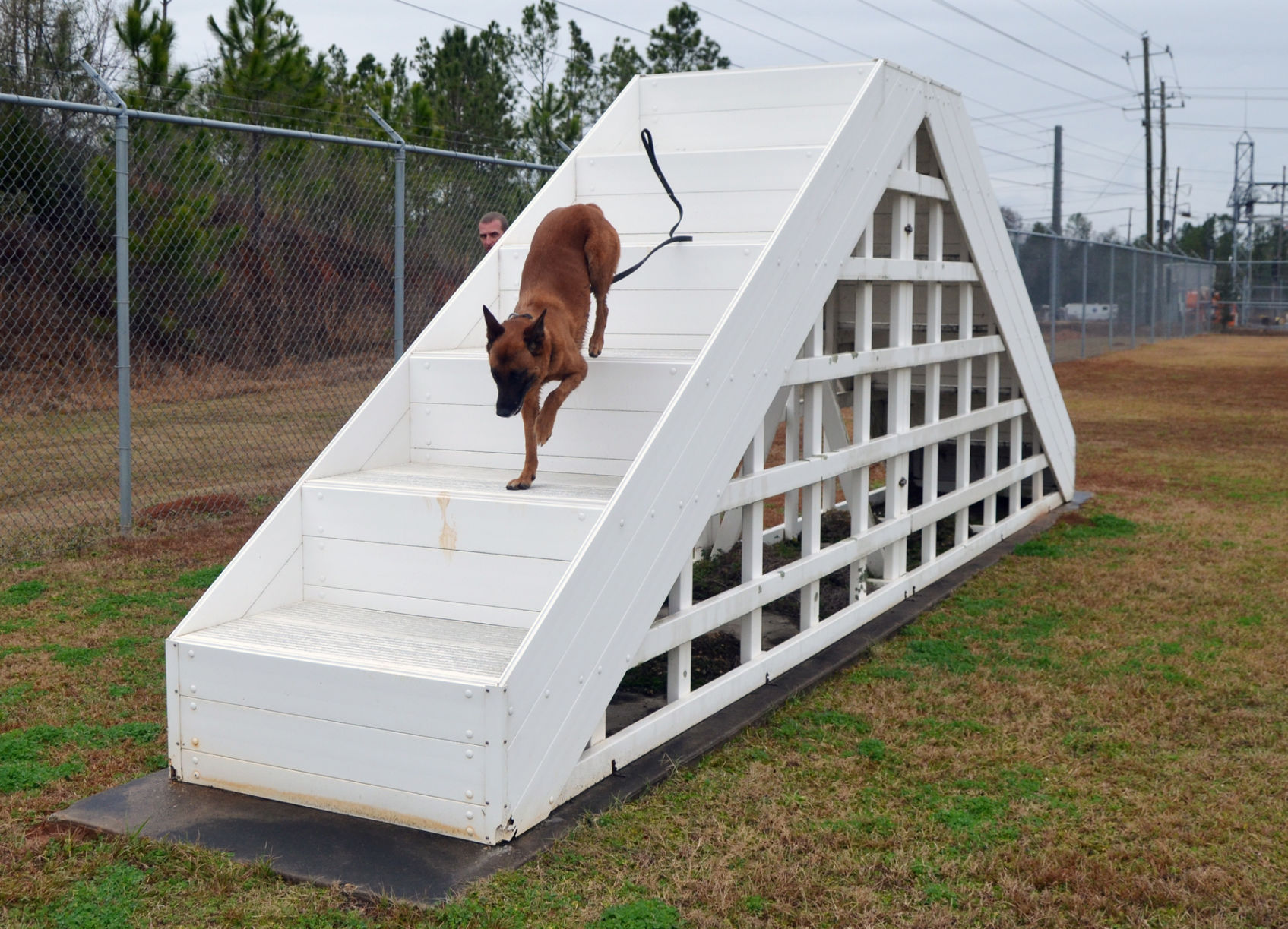
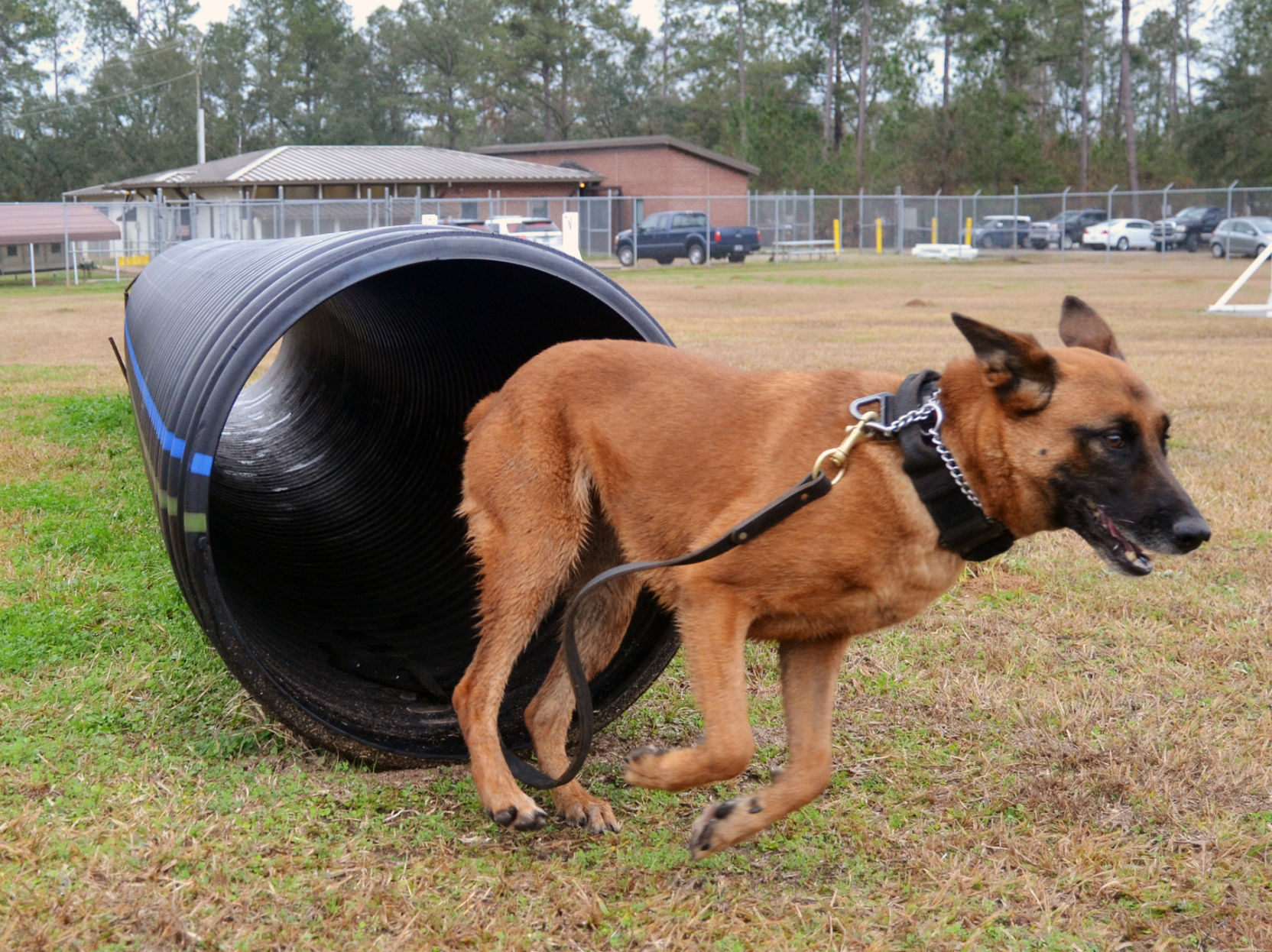
The training undertaken by the dogs includes the “Five Phases of Controlled Aggression,” “scouting” for bad guys, building searches and detection. The detection training is done with the help of training aids that enables dogs to recognize certain odors, Zupko said.
On a typical day, the first task in the unit is to clean out the kennels. The K-9 unit will check in with the watch commander or train the dogs. Physical security checks are done throughout the day, and the dogs assist at the base’s entry gates.
At the annual Independence Day celebration at MCLB, the dogs are involved in gate checks for vehicles and bags while also doing demonstrations and walking around the grounds.
“It is a psychological deterrent for something (people) are not supposed to be doing,” Zupko said.
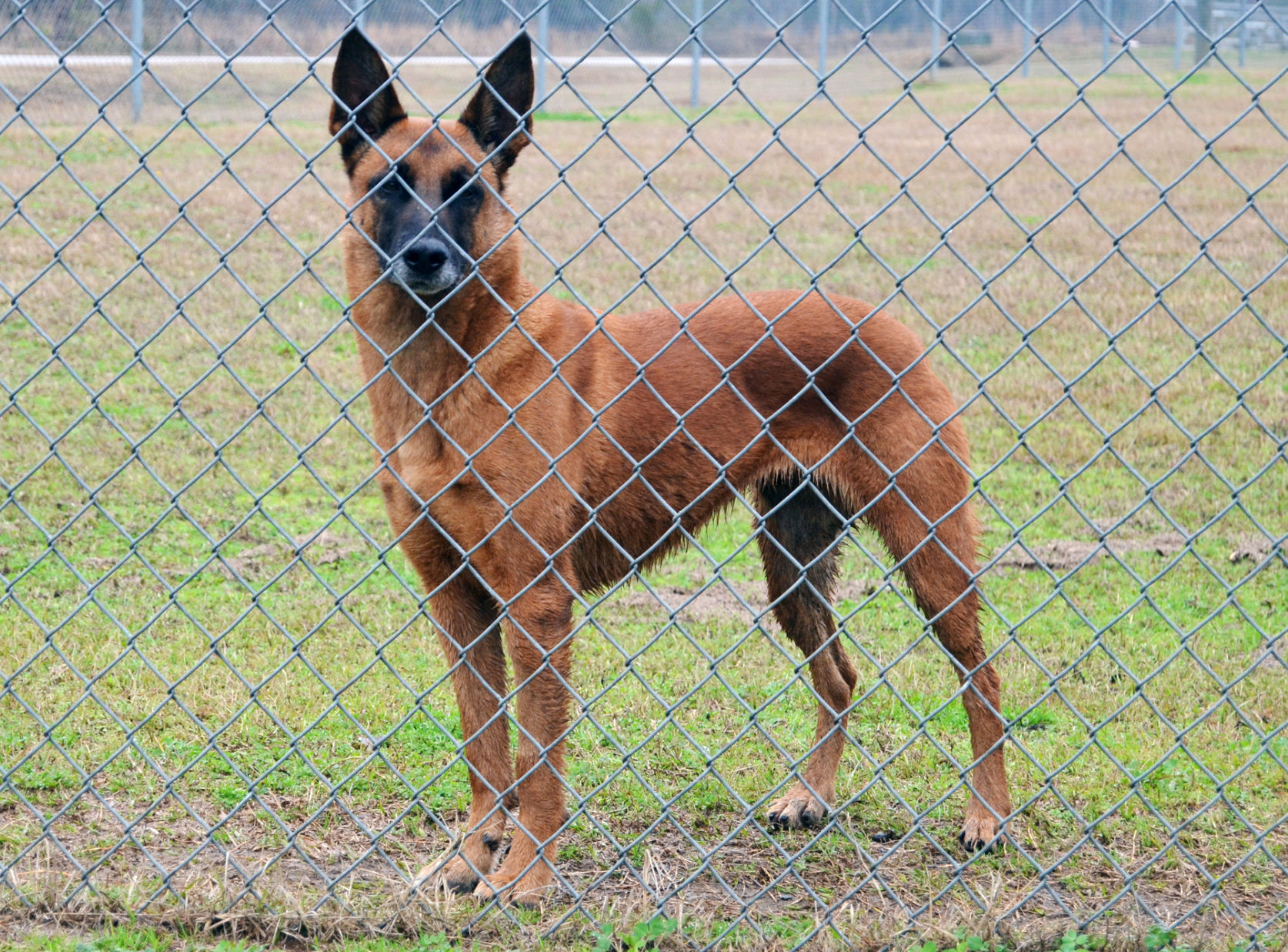
All of the unit’s dogs come to the installation from Lackland Air Force Base, including those brought in from overseas and raised on American soil. The dogs carry names styled in a certain way, using singular or double letters, that lets the handlers know how they were trained before coming to MCLB.
“Good dogs are becoming hard to find because a lot of companies are paying more than the government will for a dog,” Zupko said.
The dogs are imprinted with a basic level of training from Lackland — as are future handlers — when they come to the base, and it is up to the handlers to teach them the rest. Some dogs have to be discharged for medical reasons, but as long as they stay healthy, they can remain working until about 11 years of age.
In fact, 11 years may still be pushing it, Zupko said.
“These dogs still deserve to sit on someone’s couch,” he added.
Some of the more aggressive dogs may end up back at Lackland, while the others who are less so may be allowed to be taken into a family home. Many dogs will be retired out to former handlers.
“Most of the time, the handlers will adopt the dogs before I go outside to the local community,” the kennel master said.
As new security threats emerge, training for the dogs may be adjusted to adapt to those changes. Those at higher security levels are able to gauge what some of those incoming threats may be and help equip the handlers with what is needed to train the dogs.
Ultimately, without some level of security, the base is vulnerable to many threats that may prevent it from meeting its mission of supporting the Marine Corps.
“One of the most important pieces I believe we have is security,” Zupko said. “If there is no security on the base, I would be scared what could happen.”
In their duties of providing that security, the dogs are able to frighten people in ways even a gun cannot.
“You pull a dog out of a car, 99 percent of the time, (possible suspects) will do what you want them to do,” Zupko said.
Related Articles
Dougherty Commission considers $104 million budget for 2026-2027 budget year
“The other side of the coin is you could have higher revenues than projected. We’re very conservative in budgeting revenues. That also reduces the need to use fund balance”
Albany police investigate suspicious Sunday death
A 21-year-old Turner Job Corps student who was found unresponsive on Sunday evening was later pronounced dead at Phoebe Putney Memorial Hospital. The death is under investigation.
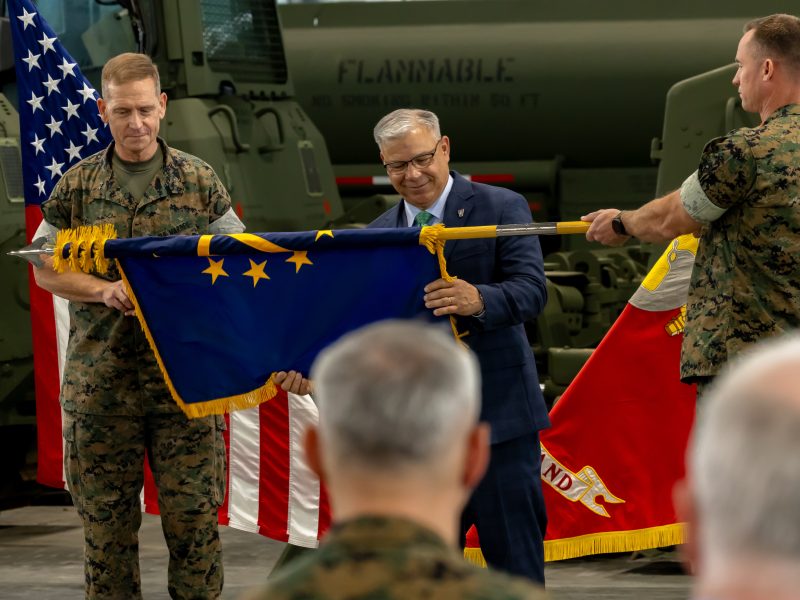
James Rubino installed in new role at Marine Corps Logistics Command in Albany
James L. Rubino recently assumed the role as executive deputy of Marine Corps Logistics Command in Albany. In his new role he will oversee integrated logistics support.
