
Norovirus, flu vaccine focuses for Southwest Georgia Public Health officials
Norovirus outbreak impacting three Southwest Georgia counties currently winding down
By Jennifer Parks
ALBANY — The tail end of a recent norovirus outbreak and promotion of the flu vaccine are among the priorities for the Southwest Public Health District.
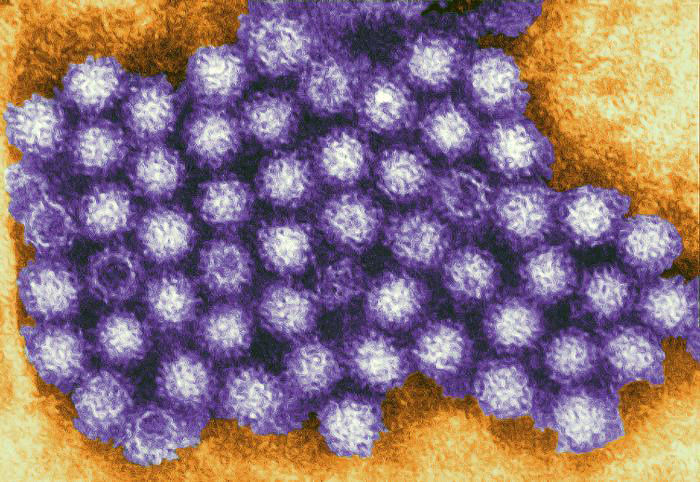
Norovirus, a highly contagious virus that causes stomach or intestinal inflammation, is commonly seen in long-term care facilities where there are more people in one place with limited mobility. Public Health officials in Southwest Georgia said they have seen activity in similar facilities as well as schools in Calhoun, Miller and Early counties in recent weeks.
“In Dougherty County, there have been reports of (gastrointestinal) issues,” said Jacqueline Jenkins, the district’s epidemiologist. “It is safe to say norovirus is in season, and we are seeing that in our district.”
Jenkins said the illness leads people to have stomach pain, nausea, diarrhea and vomiting. It is typically spread through the fecal-oral route, and has an incubation period of 12-24 hours. It is possible for someone to get re-infected following recovery, she said.
“The only effective way to stop spread is (vigilant) handwashing,” she said
Jenkins said the recent activity has been heavier than usual, which can likely be explained by the fact that norovirus is so infectious that one person getting it can have a significant impact.
Schools and day cares also have a number of people in small spaces, so it is not uncommon to see it in those settings. It is a year-round illness more commonly seen in the cooler months of the year, Jenkins said.
The most recent outbreak is winding down, with the care facilities being monitored going from 20-30 cases to two or three cases. Directives concerning handwashing, and the Thanksgiving Day holiday, are the likely reasons for the outbreak calming down, Jenkins said.
“The cases are dwindling down, but we still have to (remain vigilant),” she said.
In addition to handwashing, cleaning with a bleach solution is also effective in fighting norovirus. Fluids are recommended for those infected, as well as an absence from school or work until 24-48 hours after symptoms subside, Jenkins said.
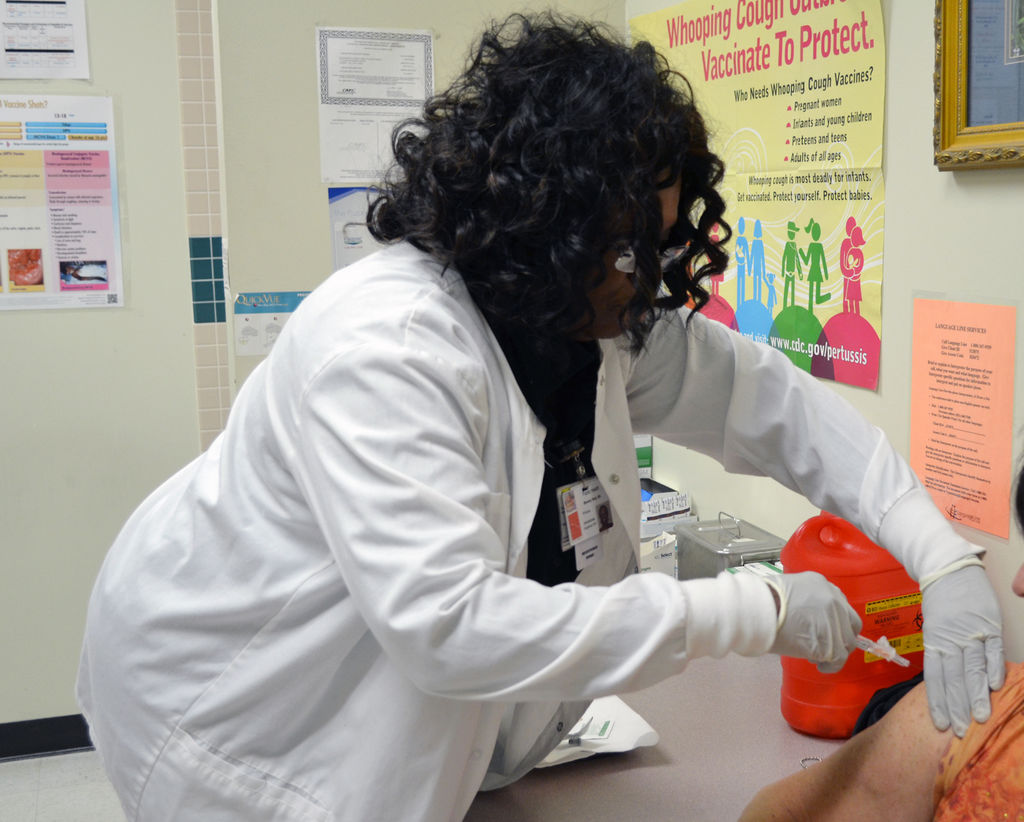
While the norovirus situation calms down, Public Health has been actively involved in the promotion of the flu vaccine before the seasonal flu peak hits early next year.
“We are not in the peak season yet, so there is still time,” Jenkins said.
The epidemiologist said both Influenza A and Influenza B have been seen this season in Southwest Georgia, but there are not currently any big clusters of the illness in the region. The vaccine this year, adjusted for the anticipated strains, includes only shots as the nasal spray was determined to be ineffective.
The indication right now is that the public should be able to trust the vaccine to protect them from the flu this year.
“It looks like its a good match,” said Carolyn Maschke, public information officer for the health district.
The Centers for Disease Control and Prevention said that while current U.S. flu activity is low overall, localized influenza outbreaks have been reported and activity is expected to increase in the coming weeks. It recommends the yearly vaccine, which takes up to a month to take hold, for everyone 6 months and older.
The CDC said more than 131 million doses of seasonal influenza vaccine have been distributed. Young children, adults ages 65 years and older, pregnant women and people with certain chronic medical conditions are among the groups of people who are at high risk of serious flu complications.
The CDC said symptoms of the flu include fever, cough, sore throat, runny or stuffy nose, muscle or body aches, headaches and fatigue. Children commonly experience vomiting and diarrhea. Flu viruses are spread mainly by droplets made when people with flu cough, sneeze or talk.
Most healthy adults with the flu may be able to infect other people beginning a day before symptoms develop and up to a week after becoming sick. Aside from immunization, hand hygiene is a known method of preventing the spread of flu.
Related Articles

Dougherty Jail graduates first class of female GED recipients
“It was an escape. I can say this has been challenging. I want to express my gratitude for being able to attend this program.”

From cotton to cloud: In the data center debate, is rural Georgia once again being asked to carry the cost?
Across much of rural Georgia, the abandoned cotton warehouses and shrinking tax bases remain — enduring reminders that industries built to serve distant markets do not necessarily stay rooted in the communities that first sustained them.

Dawson Council approves $400,000 lifeline in emergency meeting as financial accountability remains elusive
Less than a week after city officials publicly acknowledged the City of Dawson cannot continue operating without additional financing, the Dawson City Council convened a hastily called emergency meeting Tuesday evening and unanimously approved authority to borrow up to $400,000 through a tax anticipation note.
