
Opioid epidemic doesn’t skip Albany
Dougherty coroner weighs in on drug-related deaths

By Jon Gosa
ALBANY — After President Trump recently referred to the growing opioid problem in America as a “national emergency,” a lot of rhetoric on the subject began circulating across the nation. But the problem hits closer to home than many realize, according to Dougherty County Coroner Michael Fowler, who said drug overdoses, doctor shopping and lack of doctor oversight are problems right here in Albany.
“This is not a problem that is happening somewhere else,” Fowler said. “It is happening right here in Albany. All too often I am called out to pronounce a person deceased, and when I get there I find multiple prescriptions from multiple doctors. There was an instance not too long ago where the victim had 17 different prescriptions. Same medicine, different doctors.
“I understand that people who see a doctor regularly may have several medications, but I have seen people, seriously, with 20 or 30 bottles of pills. There are people taking and abusing these powerful drugs, like opioids, that you wouldn’t ever believe would take drugs. This is why we have so many overdoses happening.”
According to Fowler, many times people with dependency/addiction issues will “doctor shop,” a process of visiting multiple physicians while complaining of an either legitimate or illegitimate pain/ailments to obtain more prescription medication than one doctor could or would prescribe.
“Almost always, when you find multiple prescriptions for the same medication, the bottles have different doctors’ names on them,” Fowler said. “If you have different doctors’ names on your medicine which is the same, you have gone to different places to get it. These people are doctor shopping. I don’t understand it. I don’t believe doctors are just writing these prescriptions to make money without some kind of oversight, but it seems like that is what is happening.”
The number of overdose deaths in the U.S. has tripled since 2000, according to the Centers for Disease Control and Prevention, with 52,404 deaths occurring in 2015, the highest ever recorded. Approximately 33,000 of those deaths were directly related to opioids.
While the CDC has yet to release official statistics for 2016, early estimates put the number of drug-related deaths at as many as 65,000. Those numbers far exceed gun-related deaths (15,078) or automobile-related deaths (40,200) for that year.
“There has got to be more oversight,” Fowler said. “There needs to be a way for a doctor, when prescribing these drugs, to monitor that patient. They need to make sure that he is taking his medicine and not selling it. I see a lot of that. At a call recently, the victim had passed away, and we were taking the numerous medicines into evidence and the family put up a big fight to keep the pills. They were selling the pills.
“Doctors also need to make sure that the patient isn’t taking too much before they write another prescription. That way. they could possibly prevent an overdose.”
At a recent forum featuring Phoebe Putney Memorial Hospital professionals and law enforcement officials, Major Prurince Dice of the Albany-Dougherty Drug Unit confirmed the “correlation” between overdoses and the number of prescriptions being written in the U.S.
“The drug-abuse epidemic is not just the abuse of illicit or illegal drugs,” Dice said. “Statistics show a direct correlation between the number of prescriptions written for powerful but legal drugs and the number of overdoses.”
Rules for monitoring patients who are prescribed Schedule II or III controlled substances vary from state to state, but Georgia Medical Rule 360-3-06 clearly defines compliance monitoring for the state’s physicians. But how stringent that compliance is monitored is the real issue, according to Fowler.
Georgia Medical Board rule (pain management) states: “When prescribing a Schedule II or III controlled substance for 90 consecutive days or greater for the treatment of chronic pain arising from conditions that are not terminal or patients in a nursing home or hospice, a physician must monitor compliance with the therapeutic regimen. This means that body fluid analysis (drug screens) must be performed at least four times a year on a random basis or done at the same frequency proportionate to the period of treatment.”
“There should be a way to flag these patients,” Fowler said. “I don’t think most doctors are monitoring their patients properly. They are just in and out of there. ‘How are you feeling? You still having headaches?’ Then they write that prescription. I have never been tested when I was on medicine. Is it a breakdown or are they just not testing these patients?”
Phoebe Chief Medical Officer Dr. Steve Kitchen recently told The Albany Herald that the hospital and all Phoebe physicians closely follow rules established by the Georgia Medical Board.
“Phoebe’s current practice for monitoring patients who, as a result of their care, are being prescribed Schedule II and III drugs is entirely consistent with Georgia Medical Board rule 360-3-06,” Kitchen said. “Phoebe physicians who see these patients in the hospital or in Phoebe clinics do have written contracts with those patients and must see them at least every three months, in full compliance with the rule. As appropriate, patient drug-testing is performed to ensure compliance with the medication regimen prescribed.”
Fowler offers an ominous warning.
“If nothing is done and changes aren’t made,” he said, “the number of deaths will continue to rise.”
Related Articles
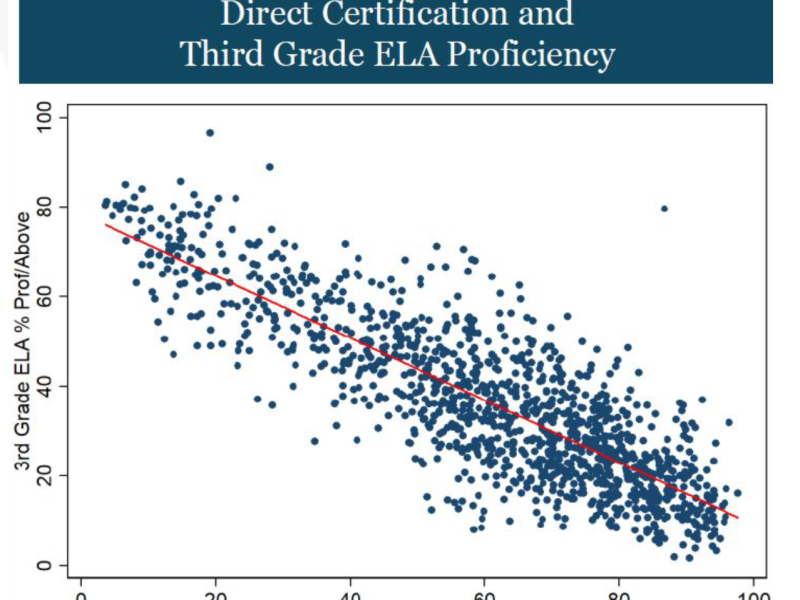
Georgia’s school funding formula still ignores poverty; educators say students pay the price
During a report to the board on the outcomes of this year’s legislative session, Dyer discussed the district’s efforts to persuade lawmakers to add an “opportunity weight” to Georgia’s Quality Basic Education (QBE) funding formula — a change supporters say would provide additional state funding for students living in poverty.
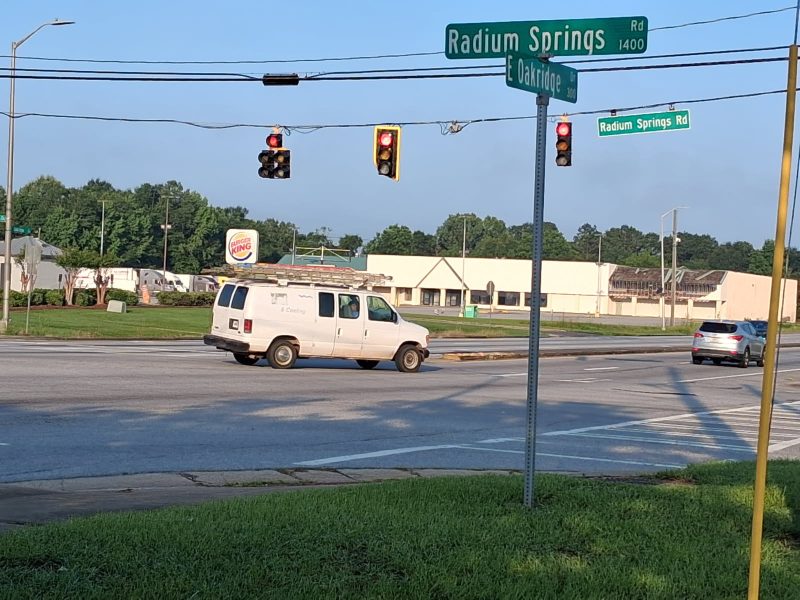
Red light violations will bring citations at a dozen Albany intersections
“That was always the goal of the school zone cameras, to change the behavior. It’s the same with the red lights, we want to change the behavior. When you see a yellow light, you need to slow down and prepare to stop.”
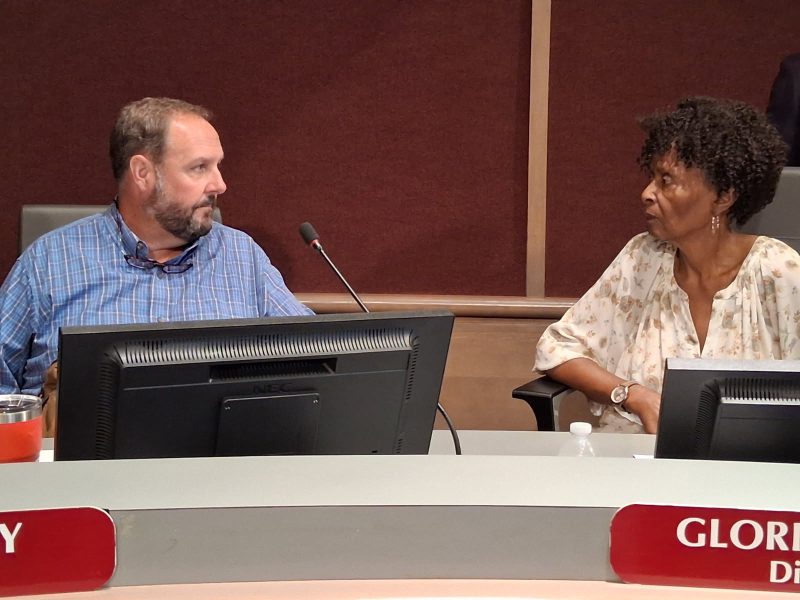
Dougherty Commission considers $104 million budget for 2026-2027 budget year
“The other side of the coin is you could have higher revenues than projected. We’re very conservative in budgeting revenues. That also reduces the need to use fund balance”
