
Phase I of Leesburg depot nears completion
Leesburg officials to turn attention to site improvements around historic depot
By Brad McEwen
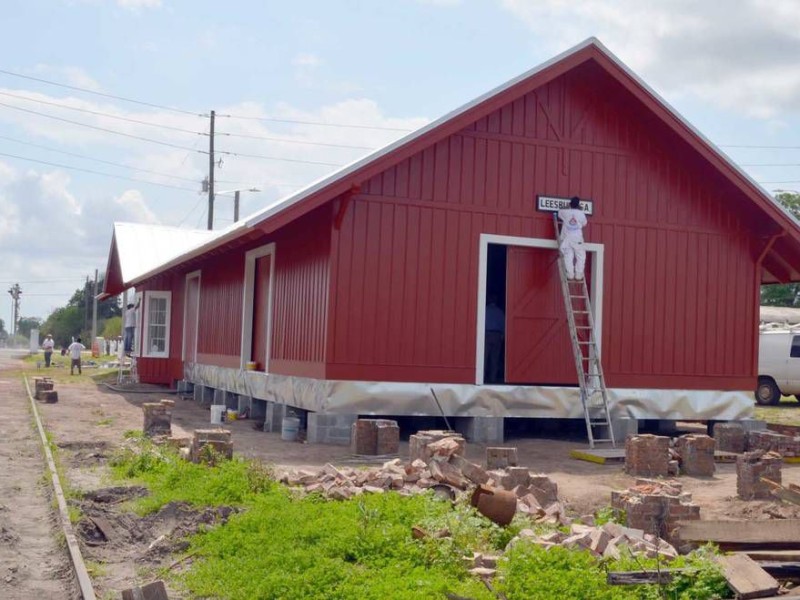
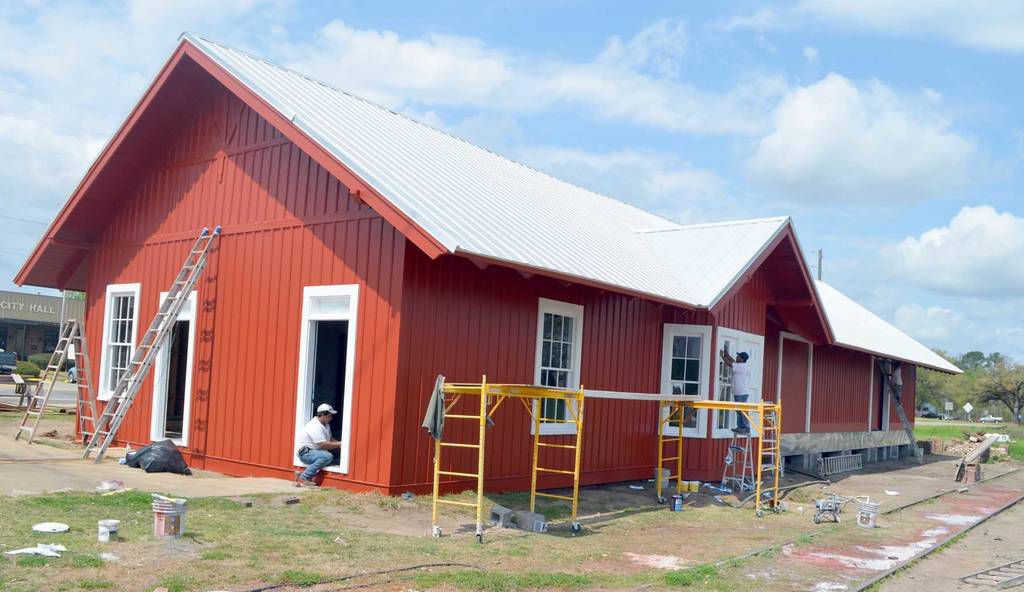
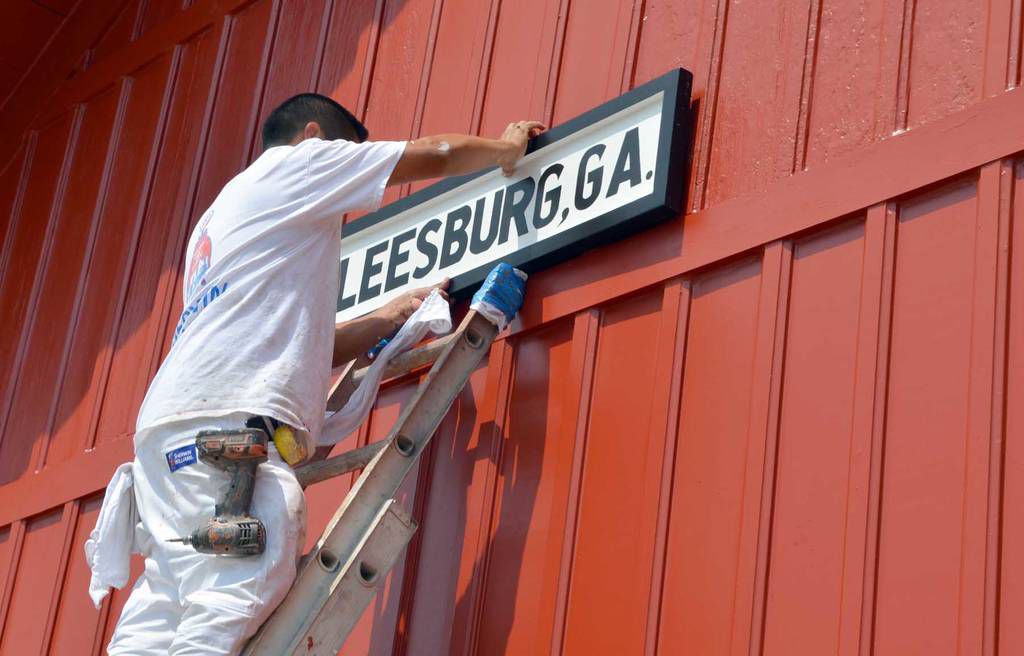
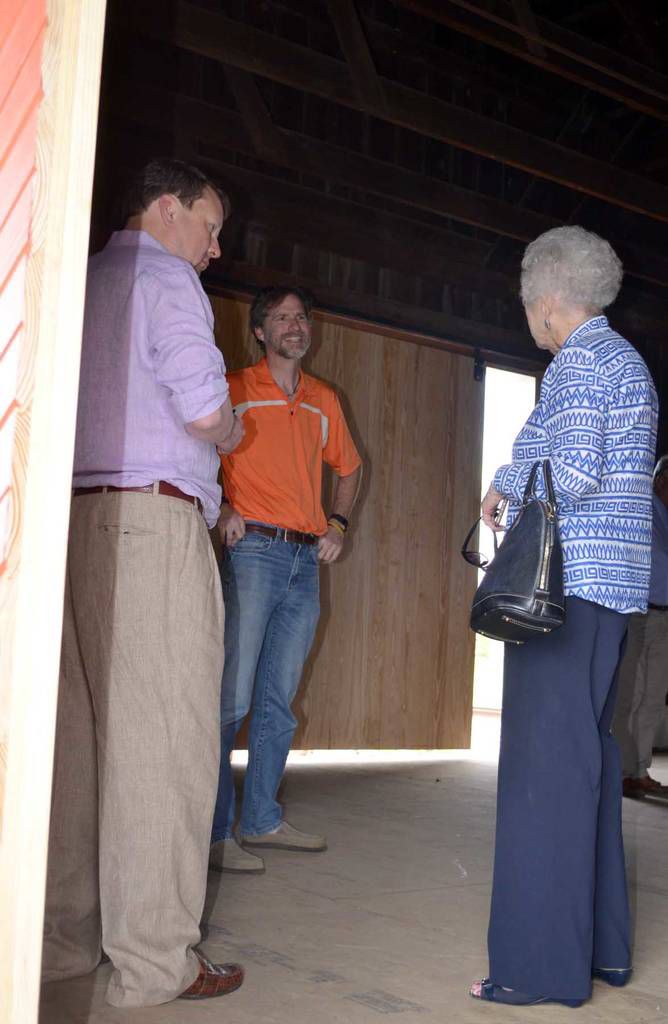
LEESBURG — Phase I of the ongoing renovation of Leesburg’s historic train depot reached an important milestone this week when local leadership and Georgia Department of Transportation officials met with contractors to conduct a final inspection of the building’s newly completed exterior.
According to Leesburg City Manager Bob Alexander, representatives from Fourth Street Design and Construction, which has handled the exterior renovations, had to meet with DOT officials Tuesday afternoon because the bulk of the funding for the exterior changes — $284,220 — came from federal transportation funds administered by the DOT, meaning the agency has to sign off on what’s been done.
“It’s fantastic,” Alexander said of the depot’s exterior. “It’s so much better than it was. That building was just about on its last legs, and we really saved it just in the nick of time.
“We’re pleased we were able to save that building and bring it back to life. Because of its history, it’s something that’s so worthwhile to be saved for the citizens of Lee County.”
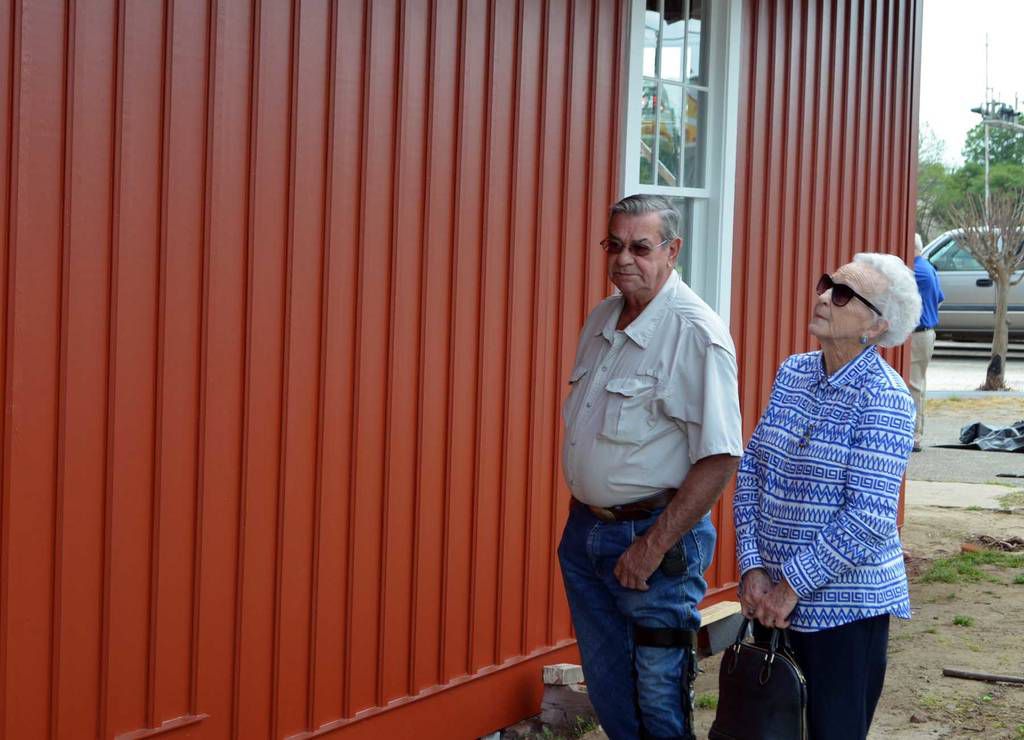
Long-time city resident Opal Cannon, who has been a champion of renovating the depot and has worked tirelessly to keep the project in the public’s eye, joined the inspection group, which also included Leesburg City Council members Judy Powell, Billy Breeden, Richard Bush, Rufus Sherman and Mayor Jim Quinn, to get a good look at the completed work.
“This is a happy day,” said Cannon. “I was beginning to doubt we’d ever get this far. I’m excited to death.”
Cannon’s excitement will no doubt increase now that the building’s “shell” has been restored to its “original condition.” Alexander said city leaders will turn their attention to other work on the depot property, including the installation of a parking lot, installation of exterior lighting and improvements to the property’s drainage system.
“Over the years they’ve raised the highway (that runs adjacent to the depot) up so all the water’s flowing under the building,” Alexander said. “We need a drain line, and we need to re-grade the area to stop that from happening.”
Earlier this year, the Leesburg City Council engaged EMC Engineering to design the needed site work plans and also approved a $143,989 bid from Zane Grace Construction to complete the work. Near the end of that work, which will start next month, Alexander said attention will turn to Phase II of the depot renovations, which will address the building’s interior.
“The site work will start in mid-April, then we’re going back to Fourth Street to do phase II,” he said. “The council has budgeted and allocated funds for Phase II, but they still have to approve the final design and final cost. We anticipate 60-90 days to complete the site work, then we’ll start Phase II.
“We’re hoping to have the whole building done by the end of the year.”
Once completed, the historic depot will be used primarily as a welcome center, but it will also be equipped with offices and storage space. Additionally, Alexander said the public will be able to rent space inside to host small functions and gatherings.
Although there’s still a lot of work to be done before the renovations are completed, the completion of Phase I has generated a lot of excitement in the community as it marks the culmination of years of planning and hard work.
“I feel great, I really do,” Alexander said of the progress to rehabilitate a piece of the community’s history. “I think it’s going to mean so much to the community, especially along with the work the county’s doing at the courthouse (which includes nearly half a million dollars of renovations to the top half of the building’s exterior), and with the things the Board of Education is doing with its facilities.
“We’re really making things better.”
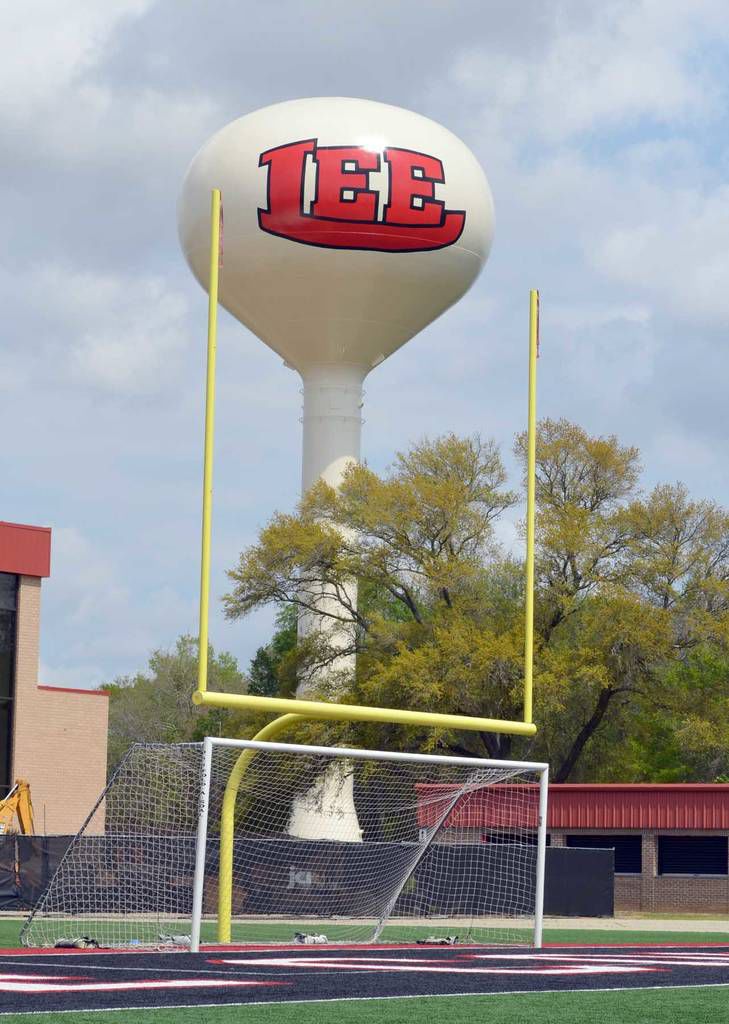
Interestingly, Tuesday also featured another important citywide improvement milestone as Alexander said city employees “flipped the switch” to bring the newly raised water tower on Highway 32, next to Lee County High School, online.
Alexander said the tank, which was raised to 140 ft in January and has been adorned with the familiar “Rockin’ Lee’ logo on the side overlooking the high school’s football field, was filled with water over the weekend and that it was time to “let that tank start supplying water to the city of Leesburg.”
With the 500,000-gallon Highway 32 tank operational, the city now has both it’s tanks — including a new 200,000-gallon tank that was constructed last year at the city’s Public Works facility — supplying water to the city. Combined with improvements to several miles of newly installed water mains and line, and improvements to the city’s wells, officials say the city’s water system is better than it ever has been.
“(The project) will greatly improve the quality and quantity of water for the city, and it shows we have the leadership to take care of our community,” said Alexander. “We want to have quality water not just for our citizens but for the children that attend all the schools within the city. This project is special.”
Alexander said there are still two more small items that need to be completed before the water system overhaul is complete, including finishing renovations to the city’s Starksville well, the removal of the old “railroad” water tank, and the installation of water line under Robert B Lee to complete what Alexander called, “a closed loop.”
Despite those projects still ongoing, Alexander said that he was pleased that the city has been able to totally revamp its water system and do so in a manner that was cost-effective. To fund the various phases of the project, the city took advantage of low-interest loans from the Georgia Environmental Finance Authority that also included some principle forgiveness, and a Community Development Block Grant of $455,822.
“I think that’s a good way to improve our system,” Alexander said. “This project is really important, and it’s part of our overall strategic plan for improving the infrastructure for this community. It’s a really good project.”

Related Articles
Dougherty Jail graduates first class of female GED recipients
“It was an escape. I can say this has been challenging. I want to express my gratitude for being able to attend this program.”

From cotton to cloud: In the data center debate, is rural Georgia once again being asked to carry the cost?
Across much of rural Georgia, the abandoned cotton warehouses and shrinking tax bases remain — enduring reminders that industries built to serve distant markets do not necessarily stay rooted in the communities that first sustained them.
Dawson Council approves $400,000 lifeline in emergency meeting as financial accountability remains elusive
Less than a week after city officials publicly acknowledged the City of Dawson cannot continue operating without additional financing, the Dawson City Council convened a hastily called emergency meeting Tuesday evening and unanimously approved authority to borrow up to $400,000 through a tax anticipation note.
