
Public Health program offers hope to breast, cervical cancer patients in Southwest Georgia
Breast, Cervical Cancer Prevention Program began in 1995 with $1.25 million Indigent Care Trust Fund grant
By Jennifer Parks
ALBANY — Entities of the Georgia Department of Public Health, including the Southwest Public Health District, have been offering a program for women residing in Georgia aimed at reducing cases of breast and cervical cancer that might otherwise be missed.
Over the years, the program has been proven to be successful.
The Breast and Cervical Cancer Prevention Program was initiated in 1995 when the DPH, then part of the Georgia Department of Human Resources, secured a $1.25 million grant from the state’s Indigent Care Trust Fund provided by the Department of Medical Assistance, currently known as the Department of Community Health.
The goal of the program has been to help reduce the impact of breast and cervical cancer in the state by providing breast and cervical cancer screenings, diagnostic services and referrals to treatment to uninsured and underinsured Georgia women with limited income.
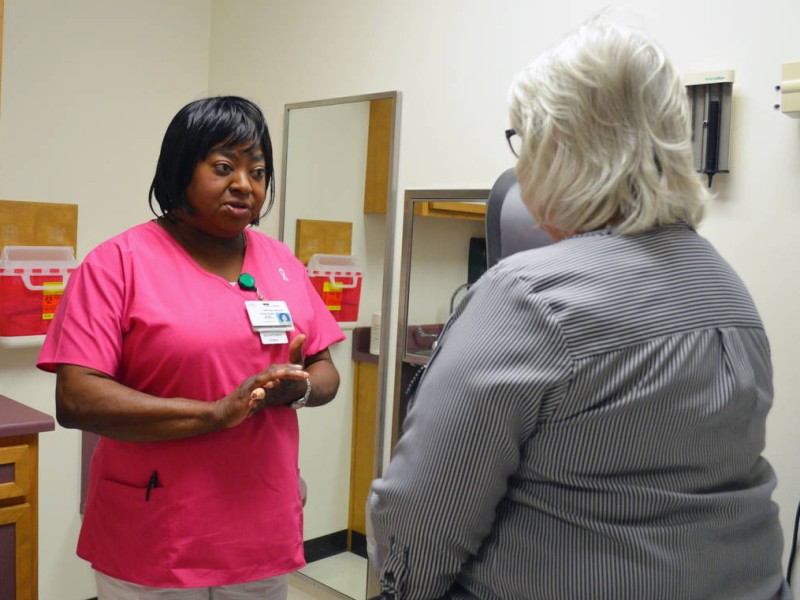
“We try to reach women who have never been screened for cancer or have had screenings but need (further testing),” said Cynthia Walters, the women’s health program director for the Southwest Health District. “Prevention is the key.”
The “underinsured” element allows for services for those with high deductible plans that keep the women from being able to pay. Services include a physical exam, pelvic exam, clinical breast exam, diagnostic testing — including biopsies — of those with abnormal results, at no charge.
Those later determined to need treatment referral are taken in by the Women’s Health Medicaid Program.
“The Breast and Cervical Cancer Program provides a critical service for women in Georgia who might otherwise not have access to life-saving cancer screening and diagnostic evaluation,” said DPH BCCP Program Manager Cathy Broom. “Over the years, the program has also assumed a leadership role in providing education on topics within cancer research that have public health implications, such as hereditary breast and ovarian cancer.”
The total number of Georgia women screened, including those who had at least one breast or cervical cancer screening procedure in Fiscal Year 2016, is 14,249. Of those, 92 women were diagnosed with breast cancer or pre-cancer, 148 with cervical pre-cancer, and five diagnosed with invasive cervical cancer.
Officials said uninsured Georgia residents within 200 percent of the federal poverty level may be eligible, along with rarely or never screened women. Cervical cancer screenings are available to women ages 21-64, and breast cancer screenings are available to women between the ages of 40-64.
Once an eligible woman contacts her health department to get into the program, some can get in for an appointment on the same day.
“Nobody should have to wait more than two weeks to get into this program,” Walters said. “Even if you are not qualified, we can get you connected to other resources.”
Walters said the need has continued, and is even growing, as more cases of cancer are diagnosed. She described the number of calls last year concerning the program as “astronomical,” and said that there have been a number of tangible results.
“There have been cancers that have been caught very early, and we have been able to treat them and these women have gone on to lead normal lives,” she said.
As a nurse, Walters encountered a woman in their early 40s who had not had a mammogram and was diagnosed with cancer. She underwent surgery, chemotherapy and radiation while acting as a single mother to her 7-year-old daughter.
“To this day, I still see her in the community. She is in remission from her cancer,” Walters said. “She always thanks me because she thinks I saved her life. It wasn’t me, it was the program.
“It is rewarding as a nurse, and it is rewarding to have these programs for people.”
Some women under the age of 18 are eligible for free or low-cost HPV vaccinations under the program, officials at DPH said.
Breast cancer is the second-leading cause of cancer death for women in the United States and in Georgia. Cancers found earlier are more likely to be treated successfully. Prevention initiatives such as early detection of pre-cancerous abnormalities and HPV vaccinations have been factors in cases of cervical cancer falling dramatically in Georgia, DPH officials said.
In 1995, then-Chronic Disease Prevention Section Director Carol Steiner wrote the original grant application awarded to Georgia by the Centers for Disease Control and Prevention National Breast and Cervical Cancer Early Detection Program. Over the years, officials with DPH said, the program has assumed a leadership role in providing education on topics within cancer research that have public health implications, such as hereditary breast and ovarian cancer.
The development of its Breast Cancer Gene Screen website has enabled BCCP to educate patients and providers on the importance of a patient’s health history when evaluating their cancer risks.
Given the momentum it has, there is every reason to believe the BCCP will not be financially compromised.
“We have (been given) every indication it should continue,” Walters said. “There is no indication that the funding would be decreased at this point.”
DPH officials said the BCCP has a patient navigation program, implemented through the American Cancer Society, meant to improve access to cancer screenings by addressing issues such as cost, lack of information, lack of knowledge and language barrier. Women diagnosed with cancer through the program, or referred to the program by a physician, can become eligible for Medicaid coverage as authorized by the Breast and Cervical Cancer Treatment and Prevention Act passed by Congress in 2000.
The DPH Office of Health Indicators for Planning shows that, in 2015, 43 deaths related to breast cancer were reported in the Southwest Public Health District among individuals ages 30-74, including 13 in Dougherty County.
The available OHIP statistics for cervical cancer in the same age group showed five deaths in the health district that year in Decatur, Lee, Miller, Mitchell and Terrell counties.
Visit dph.georgia.gov online to learn more about breast cancer, BCCP and the resources it provides women statewide. Women interested in taking part in the program, or seeking more information, should contact their county health department.
Related Articles

Dougherty Jail graduates first class of female GED recipients
“It was an escape. I can say this has been challenging. I want to express my gratitude for being able to attend this program.”
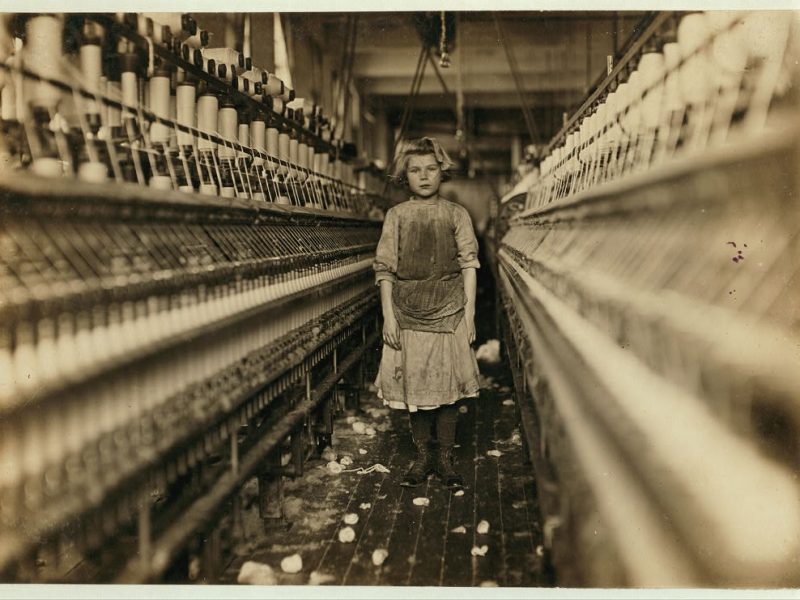
From cotton to cloud: In the data center debate, is rural Georgia once again being asked to carry the cost?
Across much of rural Georgia, the abandoned cotton warehouses and shrinking tax bases remain — enduring reminders that industries built to serve distant markets do not necessarily stay rooted in the communities that first sustained them.

Dawson Council approves $400,000 lifeline in emergency meeting as financial accountability remains elusive
Less than a week after city officials publicly acknowledged the City of Dawson cannot continue operating without additional financing, the Dawson City Council convened a hastily called emergency meeting Tuesday evening and unanimously approved authority to borrow up to $400,000 through a tax anticipation note.
