
SELC: Georgia Power coal ash ponds fail to meet federal siting restrictions
Georgia Power officials said the company is meeting regulations in coal ash pond closures
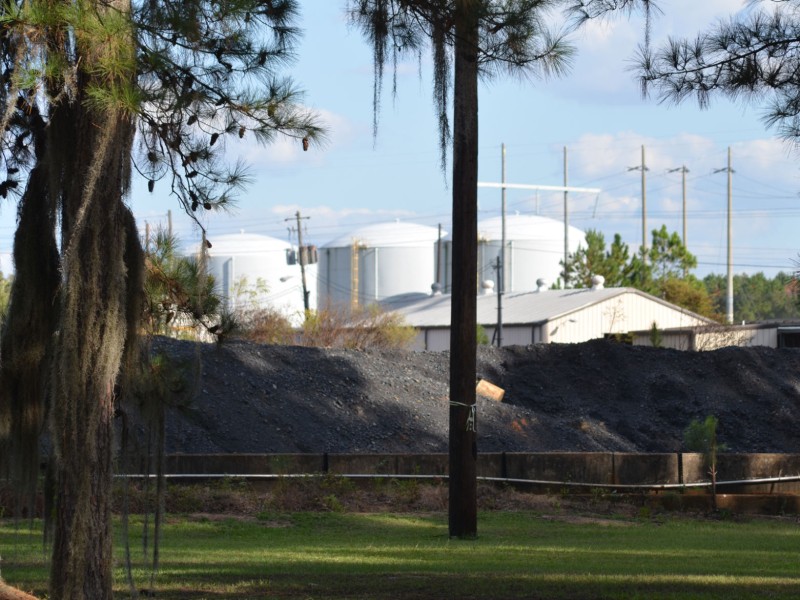
File Photo
By Jennifer Parks
ATLANTA — Officials with the Southern Environmental Law Center said on Tuesday that Georgia Power is failing to meet federal siting restrictions in the process of its coal ash pond closures.
In response, Georgia Power said it is meeting Coal Combustion Residuals, or CCR, regulations — and that it is taking groundwater safety seriously.
The SELC said Georgia Power’s coal ash ponds sit too close to the groundwater beneath them. The SELC also said the utility’s disclosures for 10 of its 29 coal ash ponds statewide indicated all 10 ponds fail to comply with the location restriction requiring at least a 5-foot buffer between the bottom of a coal ash pond and the underlying groundwater aquifer.
Officials with SELC said in at least some cases, the coal ash ponds appear to be sitting in groundwater, and two of the 10 coal ash ponds were also found to be in unstable areas due to porous soil conditions.
“Georgia Power’s coal ash ponds were built in the worst places possible — near streams, lakes, floodplains, next to rivers, and right above groundwater, and we now know that at least 10 of its ponds sit too close to the groundwater aquifer,” SELC Senior Attorney Chris Bowers said. “Where Georgia Power plans to just cap many of its unlined coal ash ponds in place, the utility’s own disclosures show the danger this ill-advised strategy poses to Georgia communities.”
Aaron Mitchell, general manager of environmental affairs at Georgia Power, noted that the company made public its plans in 2015 to close all the ash ponds, including at Plant Mitchell in southwest Georgia, and has not hidden anything from the public on the pond closure process.
He referred to an announcement the company made last week that it is in the process of completely excavating 19 ash ponds located adjacent to lakes or rivers with the remaining 10 being closed in place using advanced engineering methods and closure technologies, and that it had substantially completed closure construction activities for seven ash ponds.
The company said it had completed the submission of 29 CCR permit applications as required by the Georgia CCR rule for ash ponds and landfills outlining detailed engineering information about Georgia Power’s ash pond closure plans and landfill operations plans.
Mitchell said the measures to protect groundwater will include impermeable barrier walls, and that all the information about the measures Georgia Power has taken, and updates about the progress the company has made, have been widely available via the company’s website.
“I think we have been pretty open about our plans for the last three years,” he said.
Mitchell added that this transparency applies to groundwater monitoring, which is expected to continue for 30 years after closure of the ponds.
“If there is ever an issue, we will address it,” he said. “Everything we are doing is for groundwater safety. We are meeting all the requirements of the CCR rules.”
The SELC said filings noted that all 10 ponds met other restrictions in that they were not built in wetlands, in areas susceptible to earthquakes or seismic impact zones. Georgia Power made no filings on 19 inactive coal ash ponds.
Under the federal CCR rule, the company has until April 16, 2020 to disclose location restriction information for eight additional ponds.
Georgia Power’s current closure plans call for closing four in place without a bottom liner. These ash ponds are located at three plants — Plant Scherer on the Ocmulgee River near Macon, Plant Wansley on the Chattahoochee River near Carrollton and Plant Yates on the Chattahoochee near Newnan.
Georgia Power plans to excavate the coal ash from ponds located at Plants Bowen, Hammond, McIntosh and Yates. The ash at Bowen, Hammond and McIntosh will be moved to lined landfill storage.
“Georgia Power’s recent admissions show, yet again, that simply closing these waste pits in place will do nothing to protect our groundwater, rivers, lakes and streams over the long term,” Bowers said. “Leaving this ash in place leads to the perpetual risk of leaking toxic pollutants into our waterways. We urge Georgia Power to do what it has already demonstrated to be feasible for several of its other ponds and excavate the rest of its ash for removal to safer long-term storage.”
The state CCR rule, which goes further than the federal rule, regulates all ash ponds and landfills in Georgia and includes a comprehensive permitting program through which the Georgia Environmental Protection Division will approve all actions to ensure ash pond closures are protective of water quality.
Mitchell said the closure activities at Plant Mitchell have not started yet, but that they are expected to get underway in the coming months.
Related Articles
Albany/Dougherty County among local governments looking at data centers
“Our understanding is that data center developments look like an easy fix for the problems that face rural America, but this is a Faustian deal at best. You can see the effects in communities across the state and country.
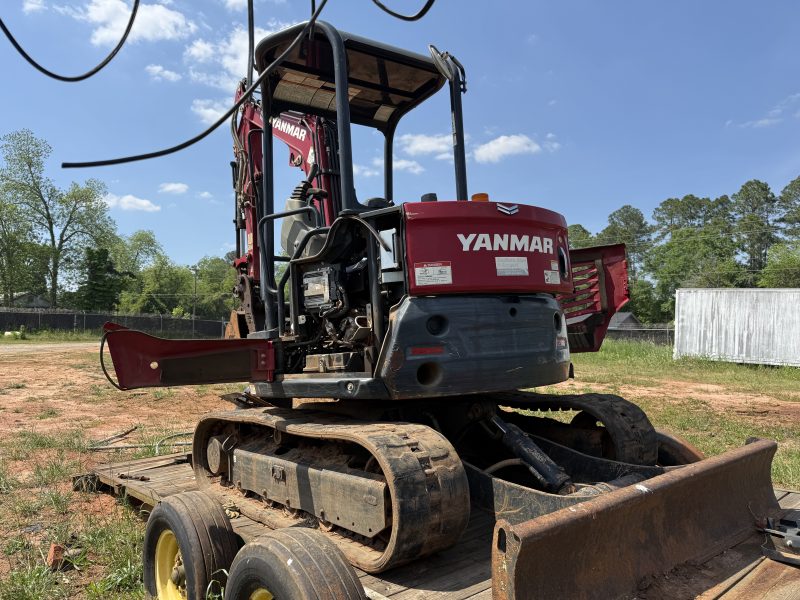
Dawson approves $68K excavator purchase after months of contradictory public statements
The decision concludes one portion of a controversy that has generated months of public scrutiny but leaves several unanswered questions regarding how the city’s original machine was damaged, whether employees were held accountable and what documentation supports the decision to replace rather than repair it.
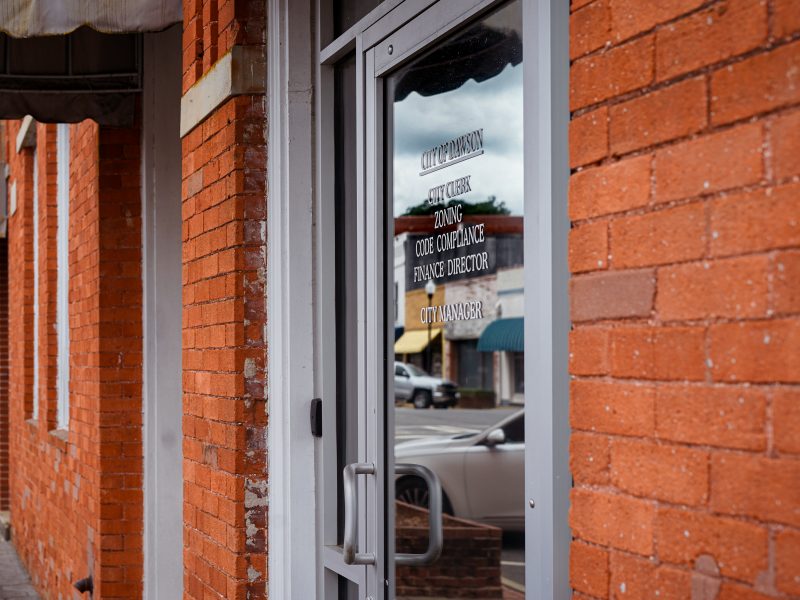
Dawson proposes borrowing up to $420,000 to stay afloat as finances unravel
Documents obtained by The Dawson News show city officials are proposing to balance the budget through a transfer from the Public Utilities Fund while simultaneously seeking authority to borrow as much as $420,000 from a private financial institution to continue meeting payroll and other operating expenses as Dawson works to complete financial audits that have remained unfinished since 2023.
