
Women incarcerated in Lee County stockade in 1963 share their story
Group of 15 girls held in stockade in summer of 1963 in compromised conditions
By Jennifer Parks
LEESBURG — A part of the civil rights movement in Southwest Georgia that is not often talked about is the ordeal experienced by a group of young girls who spent two months in a stockade in Lee County in the summer of 1963.
Now, more than 50 years later, two of the surviving members of that group are encouraging the others who remain to share their stories.
“We are still black after February (Black History Month),” said Dr. Carol Barner-Seay, an Americus resident who was 12 when she was placed in the stockade. “We want to let people know, after 53 years, (to ensure the) story does not die again.”
Shirley Green-Reese, now an Americus city council member, was 14 during part of the period she was in the stockade from July-September in 1963 — among a few in the group who had a birthday during that timeframe. In all, there were 15 girls ages 12-15 who were in conditions both Barner-Seay and Green-Reese said would not have even been considered suitable for animals.
“It was heartbreaking, emotional and unbelievable,” said Green-Reese. “It was not for anyone to live in.”
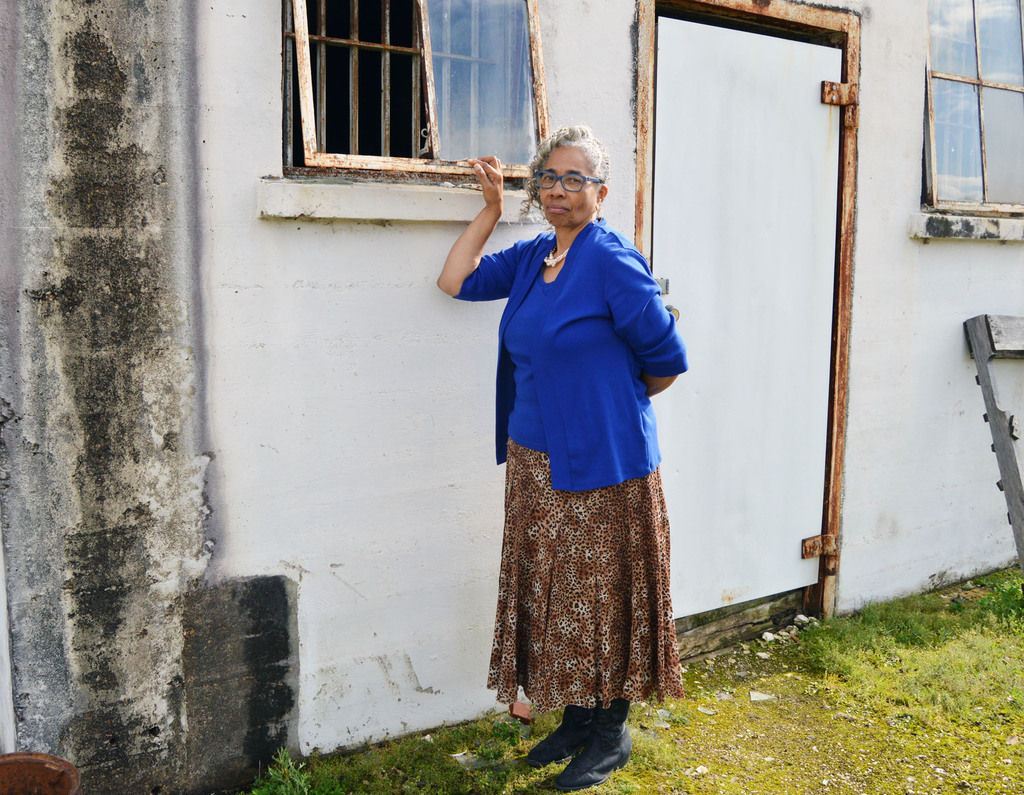
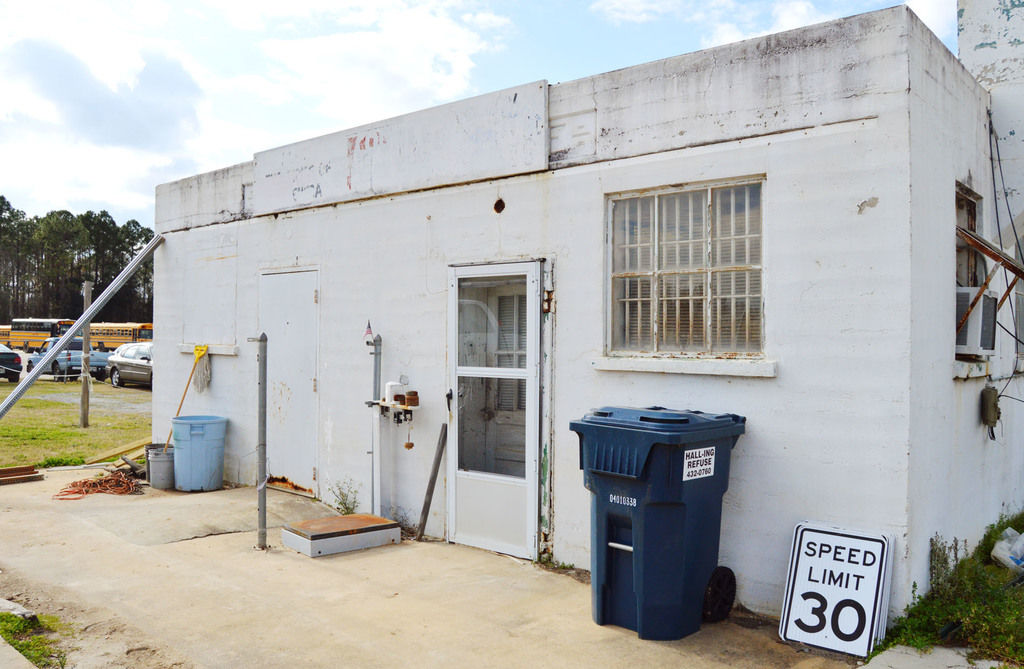
The girls were fed raw burgers and lightly-cooked egg sandwiches, and there were no cleaning or hygiene supplies. There was a drippy, contaminated and rusted shower that was unable to produce enough for drinking or bathing. No faucets or sinks were available for sanitation purposes, and the rusted and molded toilet would not flush.
No protection was given against mosquitoes or roaches, or even the rattlesnake that made it in one morning. The girls slept on the cement floor with no blanket or pillow, and there was asbestos visible.
The 1940s-era building, now being used as a public works facility on Leslie Highway, still has the window bars that were there in 1963.
“We didn’t have anything but the clothes on our back,” Green-Reese said.
Meanwhile, in Americus, the families were unaware of what had happened to their daughters.
“Our parents were given no notice, and we were taken 20-30 miles away without their consent,” said Green-Reese. “A week later, they found us and could not get us released.”
The girls ended up in the stockade after their involvement in a 200-strong peaceful march from Friendship Baptist Church to the Martin Theater in Americus on July 15, 1963, to purchase tickets at the theater’s white entrance to protest its segregational practices, inspired in part by the efforts of the Rev. Martin Luther King to use nonviolent methods to advocate for civil rights.
The police were called in, and the protesters were incarcerated in Dawson overnight before being taken to the stockade the next day.
Danny Lyon, a Student Nonviolent Coordinating Committee (SNCC) photographer from New York City working out of Atlanta, took about 20 pictures in the stockade after the organization heard of the plight ongoing in Leesburg. Those pictures have since circulated without the names attached to them.
The first photo appeared in the SNCC publication “The Student Voice” and was sent to newspapers across the country. One image appeared in the September 1963 issue of “Jet,” along with the story “Georgia Marchers Kept in Filthy, Stench-Filled Jail.” On Sept. 14, 1963, the headline “Kids Sleeping on Jail Floor: Leesburg Hellhole” was in “The Chicago Defender.”
That exposure helped to free Barner-Seay, Green-Reese and their peers. Now, they say, is the time to attach the names to those photos. Of those 15, six are now deceased and a few others are in poor health, another motivator to get the true story out and set the record straight on what happened.
Bill Murray, an attorney from the Americus area who was a teenager in 1963, spoke with The Albany Herald alongside Barner-Seay and Green-Reese about the stockade, further condemning the action of housing children who had been “taken by the long arm of the law without due process.”
He recalled there was little coverage of the ordeal in the Southwest Georgia media, and said that getting out the truth and bringing out the impact of it is an important effort.
“Martin Luther King made private visits to Americus. The white community was unaware of his presence. The only mention of (the movement’s impact on protesters) was (an item) in ‘The Americus Times-Recorder,’ where the police chief was asking for refreshments to be brought to the station because officers had to work overtime (to contain protesters),” Murray said.
The two women say they have not been compensated for anything and have yet to receive honors from a civil rights group. Their first attempt to bring their story out was in April 2015, in part through a commemorative program at Georgia Southwestern State University.
“Once we were released, we received no counseling. It was as if we had put our life on the line and there was nothing (to give us relief later),” said Barner-Seay.
Their incarceration and subsequent release happened at around the same time as the Sixteenth Street Baptist Church bombing in Birmingham, Ala., that killed Addie Mae Collins, 14, Cynthia Wesley, 14, Carole Robertson, 14, and Denise McNair, 11. Another significant development in the Civil Rights Movement at the time of the group’s imprisonment was the March on Washington, D.C., led by King, where he delivered his “I Have a Dream” speech.
Barner-Seay has written a book chronicling her experience, and Green-Reese is in the early stages of writing a book.
“That is something we are encouraging all the girls to do. We need to share (our stories) before we leave this world,” Green-Reese said.
Based on their — and similar — experiences, Green-Reese and Barner-Seay say the era’s youngsters played a role in the civil rights movement in a way many do not realize.
“If it had not been for the children, Martin Luther King would have just been a voice in the crowd,” Barner-Seay said.
Related Articles
Albany Rescue Mission in recovery but still can use some help
“We can’t do this without the community. We are so grateful for the willing vessels. We just can’t thank them enough. We also appreciate the other ministries that have sown seeds into our ministry.”
Plenty of oil, not enough diesel — and southwest Georgia farmers are paying for it
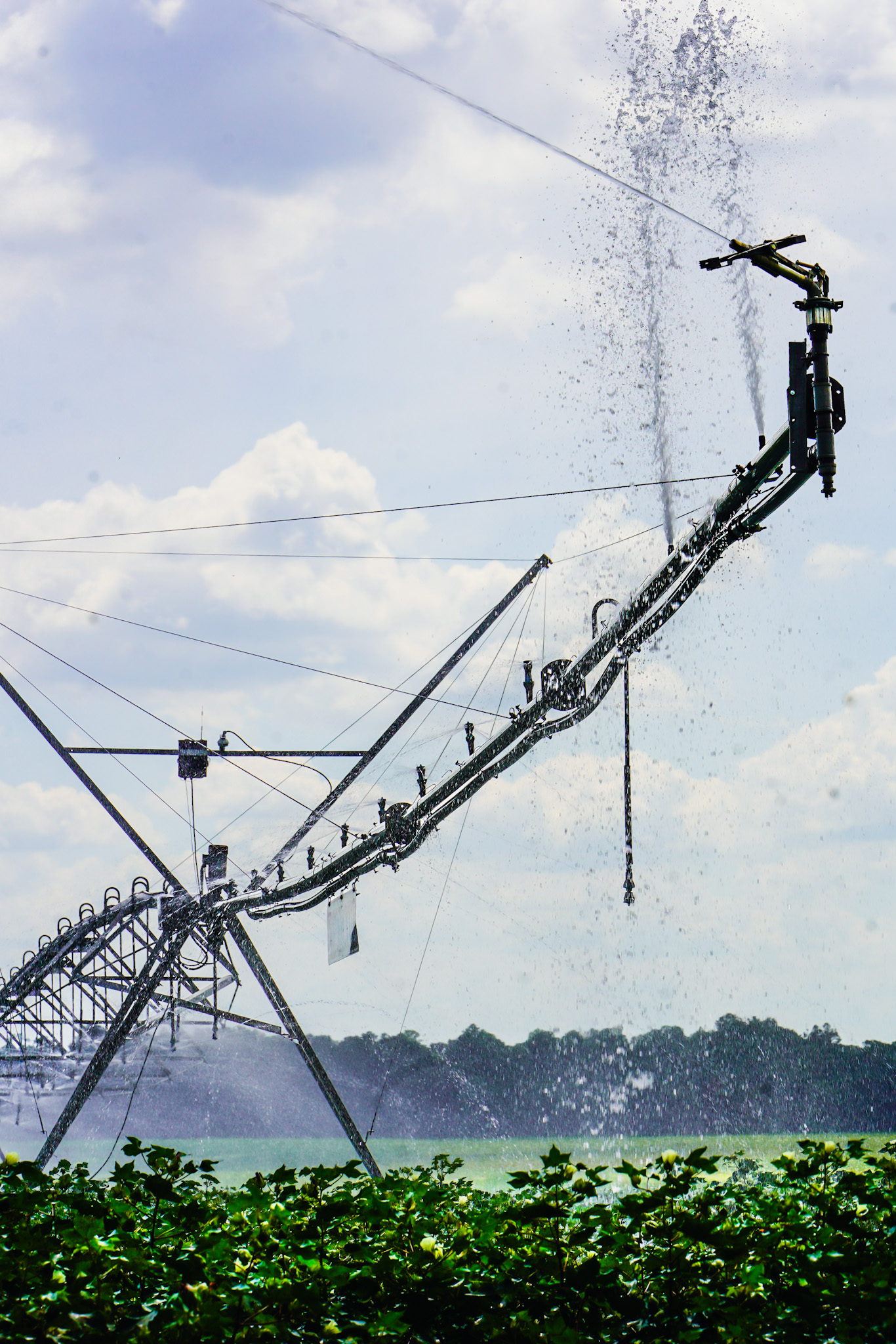
Sedrick Rowe doesn’t spray herbicides on his 10 acres of organic peanuts. He fights weeds with his tractor instead, which means he runs it more often than most farmers — and burns at least 30 gallons of diesel on a typical day. This harvest season, every one of those gallons costs more than it has at any point on record.

Dougherty schools plan task force as SNAP changes raise concern over free meals
The Dougherty County School System plans to create a task force to help families retain food assistance and navigate new reporting requirements as district officials warn that declining SNAP participation could eventually affect the federal provision that allows every student to eat free at school.
