
Rising costs take bigger bite out of back-to-school budgets
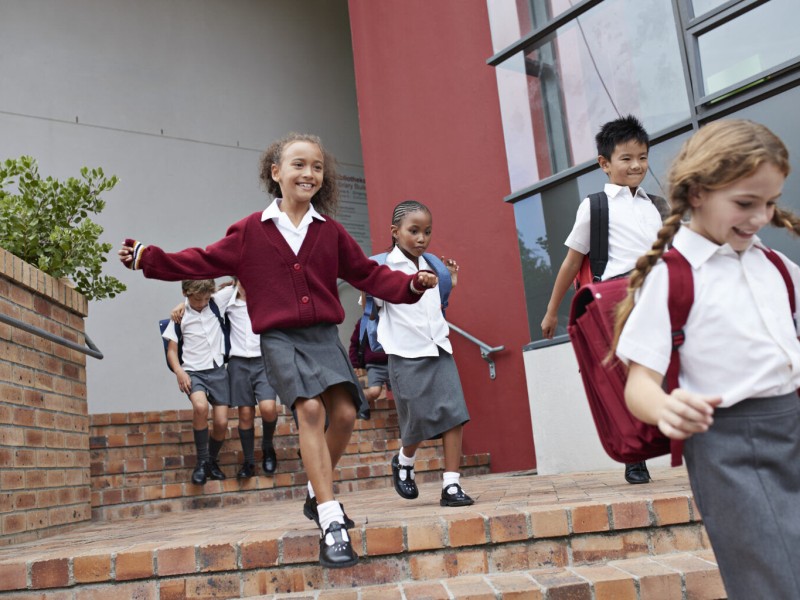
Klaus Vedfelt via Georgia Recorder
By Ross Williams
Georgia recorder
ATLANTA — Nearly all of Georgia’s public school students are back at their desks this week as the bell rings on a new school year.
But dressing those kids and filling their desks with school supplies is putting more of a pinch on parents’ wallets than normal as inflation creeps into every aspect of American life, especially for lower-income Americans.
For parents, the back-to-school season is typically the second-largest spending frenzy of the year after the holidays, according to a Deloitte report, and the National Retail Federation projects the average American household will spend $864 on back-to-school shopping this year. That’s an increase of $167 from 2019. Including college students, back-to-school shoppers are expected to spend more than $110 billion this year, about $30 billion more than they spent in 2019 before the pandemic.
That extra spending does not mean parents are feeling good about the economy. More than half – 54% – told Deloitte pollsters they expect the economy to weaken in the next six months, up from 28% last year. And a third of parents said their own household was already worse off financially than it was last year, when 22% of households said the same thing.
Inside the classroom, teachers will work to get students up to speed after years of pandemic-fueled interruptions, and pandemic trends continue to shape school life outside the classroom in unexpected ways.
The phrase “digital learning” entered parents’ vocabularies in March 2020 as school closures forced classes online. Some students would continue studying online by choice, while others were forced back in front of their screens due to classroom quarantines or their own risk factors.
Either way, a laptop or tablet became more of a necessity, and likely as a consequence of that, spending on back-to-school electronics spiked in 2020, but market growth for technology products shrank this year – by about 8%, a Deloitte analysis found.
Even so, electronics remain the most expensive single category, with parents spending $13 billion this year for K-12 students and back-to-college shoppers putting down a cool $18 billion on gadgets, according to the National Retail Federation.
“To be honest, some of the electronics numbers were a little surprising at least initially, because we did see such strong spending on electronics throughout the pandemic as people shifted to virtual and hybrid learning environments, and it does tell us that there is still a lot of stickiness in this category,” Katherine Cullen, the retail federation’s senior director for industry and consumer insights, said during a recent presentation.
At the same time, spending on clothing and accessories dropped in 2020, but the market has grown 18% this year, likely a result of people spending more time out of the home.
Inflation has had a relatively muted impact on tech products and children’s clothing, the retail federation found. Prices for computers and peripherals increased by only 2.2% since 2019. Girls’ apparel costs about 2.9% more for the new school year, but parents of boys can expect to pay about 3.4% more for their back-to-school outfits.
Inflation is putting the squeeze on families across Georgia, but it’s not the only reason back-to-school spending is on the rise this year.
“Yes, there is an inflation component, but if you look at it on a real basis, spending is still strong vis-à-vis what we see historically,” Mark Mathews, the retail federation’s vice president of research, said.
Back-to-school spending is set to grow by more than 40% this year, outpacing inflation in even the hardest-hit sectors, according to NRF data. That points to a split between higher- and lower-income earners, Mathews said.
Consumers have about $4 trillion dollars more in their checking and savings accounts than before the pandemic, he said, but most of that is in the pockets of people with relatively high incomes.
“A lot of people are worried, but we have very, very, very strong consumer financial positions, particularly for middle- to high-income earners,” he said. “So, there’s a lot of concern about what’s going on, but there’s also an ability to spend above and beyond the levels of inflation that we’re seeing. That is a little bit different from what we see for lower-income consumers. That is much more of a problem, and they are struggling.”
An NRF survey found that among households with incomes less than $50,000, 47% said they plan to cut back on spending in other areas to afford back-to-school items, while only 34% of those making over $50,000 said as much.
The pollsters found 18% of respondents said they plan to work overtime or take on more hours to help pay for new school gear, 17% said they will use buy-now, pay-later options, 14% plan to take out a new credit card and 12% said they would borrow money or go into debt to prepare their children for class.
While price increases at the back-to-school aisle may not be as jaw-dropping as the big numbers outside the gas station, it’s important to remember that inflation on necessities like food and gas hit lower-income families harder, Jeff Humphreys, director of economic forecasting at the University of Georgia’s Terry College of Business, said
Author

Related Articles
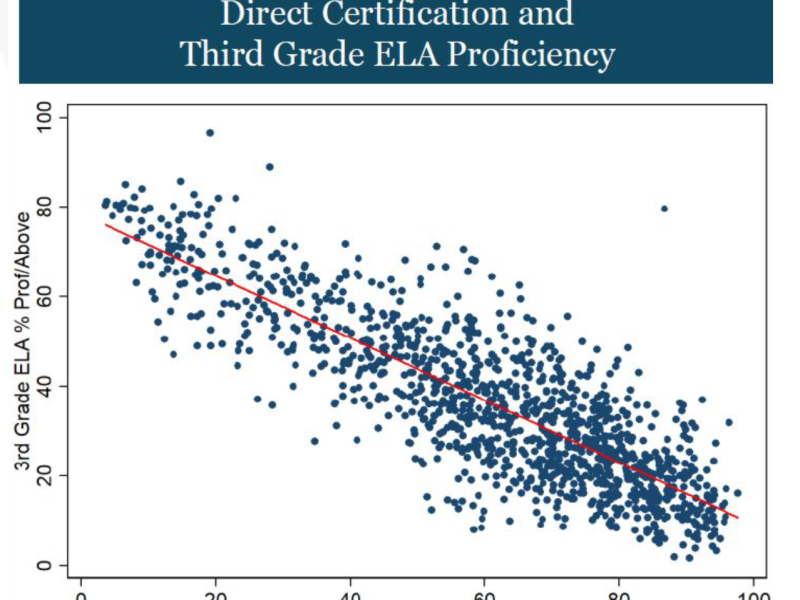
Georgia’s school funding formula still ignores poverty; educators say students pay the price
During a report to the board on the outcomes of this year’s legislative session, Dyer discussed the district’s efforts to persuade lawmakers to add an “opportunity weight” to Georgia’s Quality Basic Education (QBE) funding formula — a change supporters say would provide additional state funding for students living in poverty.
Albany Commission approves $358.2 million budget for Fiscal Year 2026-2027
The Albany City Commission approved a $358.2 million spending plan during its final meeting of the budget year that ends on June 30.
Red light violations will bring citations at a dozen Albany intersections
“That was always the goal of the school zone cameras, to change the behavior. It’s the same with the red lights, we want to change the behavior. When you see a yellow light, you need to slow down and prepare to stop.”
