
Setting small goals, group workouts can lead to sustained weight loss in new year
Jennifer Parks
ALBANY — Losing weight is a common New Year’s resolution, and often the most common one that is broken. That is a trend typically seen in Southwest Georgia as well.
There are ways, however, to effectively stay on track, experts say.
From a dieting standpoint, the first step to sustained change is to do an assessment of what a person’s current eating habits are.
“Most people can pinpoint (something) they need to change,” said Julie Joiner, a dietitian at the Phoebe Diabetes Center.
After that, help may need to be sought through doctor’s offices, as well as other programs, to figure out where the issues are. Some people pick and graze on snacks without even knowing it, Joiner said.
Then, it is time to get things started.
“That’s the hard part,” Joiner said. “Clean out the junk, and put fruits and vegetables in the cart.
“I tell people that if they don’t put it in the grocery cart, than it is not coming home with you. Don’t put in junk, put in low-fat dairy, lean meats.”
While the new year is a popular time to start, it is about as good a time as any.
“There is never a bad time to start,” Joiner said. “If they have the motivation this time of year (then they should do it).”
Experts say one of the primary keys to sustained weight loss is to have realistic goals to begin with, because it’s not always possible for a person to get down to the same weight they were when they graduated from high school. People start off strong at first, and after a few months, it is not uncommon for weight loss to stall, which can discourage folks — but it ought to be seen as a time to re-assess the plan that is in place, and potentially make a calorie adjustment.
“It’s not that you can’t loss weight, it’s just that something needs to change,” Joiner said.
As far as what’s safe and what isn’t, Joiner suggests staying away from crash diets that are overly restrictive and ones involving pills.
“If it’s too good to be true and doesn’t (require) hard work, it’s probably not the route you want to go,” she said.
Making adjustments for a lifetime, including sticking to healthy portion sizes and getting more complex carbohydrates in a diet, can affect more people than just the ones making them.
“We are role models for our children and grandchildren,” Joiner said. “It improves the health of the whole household.”
Fitness centers in the area continue to see an influx of membership at this time of the year. The Albany Area YMCA, for the three hours it was open on New Year’s Day, had 40 new memberships established.
“Everybody has New Year’s resolutions to get healthy,” said Tracy Wallace, marketing and membership director at the YMCA. “It is very common; that’s why it’s our job to engage our members (so they will stick with it).”
Some ultimately stick with it long-term while others don’t. From the standpoint of maintaining membership, the key, Wallace said, is to make sure people can ultimately stick with their goals and remain happy — which often means getting people to work out with others.
“Getting involved in small groups increases the social aspect, because it is fitness and social. An exercise class is a good way (to keep them accountable),” she said.
Tony Powell, owner of Tony’s Westside Athletic Club, said January is a time of year in which the gym usually has a 50 percent increase in new memberships, prompting them to add trainers or increase some hours for part-time employees.
The influx will remain steady through March and then begin to wane.
“(In the spring), the time changes and the weather is nicer, and that is when attendance drops off a little,” Powell said.
“In the ’80s, you would see a big increase (in January), and it would drop way off. (Today) we see an increase and a drop-off, but it is not a drastic change. (Now) people are making exercise a long-term commitment.”
Powell also said that small groups, in addition to starting off at a slower pace in terms of frequency and intensity, may be a good way to keep the weight off long-term.
“If you get a friend you’ll meet at the gym, you don’t want to let them down. … It makes it more fun and enjoyable,” he said.
Mary Ganzel, chief operating officer and exercise physiologist at Albany Area YMCA, said the safest way to start is to work with someone on behavioral patterns — which includes portion control.
“We are all used to super-sizing. … If we would just get the kids’ meal, it would cause weight loss for a lot of people,” she said.
There is no one particular program that fits everybody, Ganzel said. It is a matter of determining what a person is driven by so they know which mindset they need to work from.
Ganzel said the influx, and the following wane, at the start of the year often comes from overreaching early on as well as a weaker support system. Some shows, such as “Biggest Loser,” can often set a person up to fail, she said.
“(Many people) may not have a nutritionist or time to work out three hours a day,” Ganzel said. “(People need) a realistic approach to their lifestyle. How much time do you have, and how long as it been since you last worked out?”
Writing stuff down, such as calorie intake, finding a proper support system and setting small goals are among the keys to losing the weight that has likely taken months — or years — to collect, she said.
Related Articles
Georgia’s school funding formula still ignores poverty; educators say students pay the price
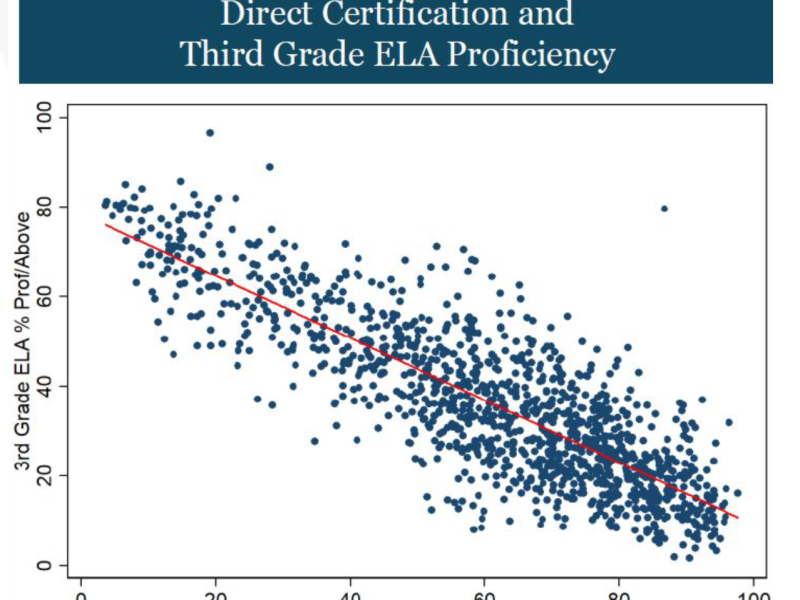
During a report to the board on the outcomes of this year’s legislative session, Dyer discussed the district’s efforts to persuade lawmakers to add an “opportunity weight” to Georgia’s Quality Basic Education (QBE) funding formula — a change supporters say would provide additional state funding for students living in poverty.

Albany Commission approves $358.2 million budget for Fiscal Year 2026-2027
The Albany City Commission approved a $358.2 million spending plan during its final meeting of the budget year that ends on June 30.
Red light violations will bring citations at a dozen Albany intersections
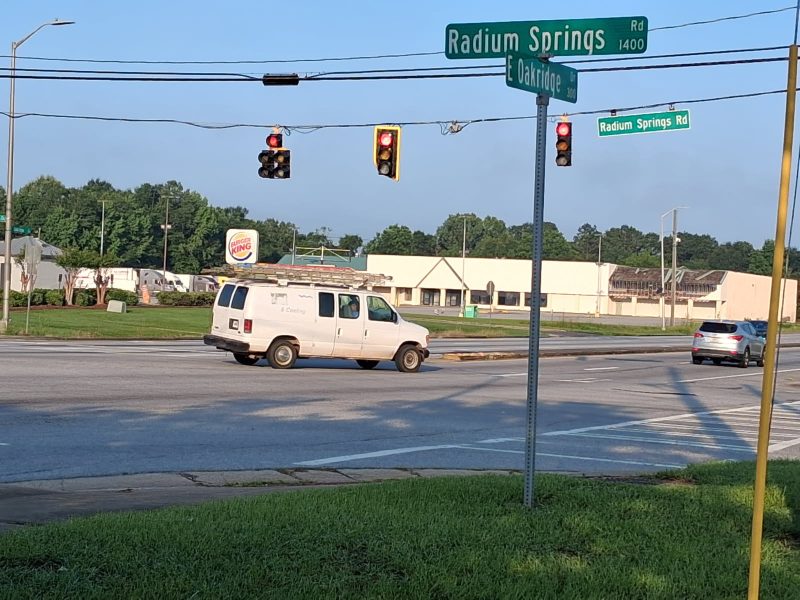
“That was always the goal of the school zone cameras, to change the behavior. It’s the same with the red lights, we want to change the behavior. When you see a yellow light, you need to slow down and prepare to stop.”
