
Thrush Aircraft looking for ways to diversify and increase market share
Terry Lewis
ALBANY — As prices for agricultural products have waned over the past two years, officials with Thrush Aircraft of Albany, one of the world’s largest manufacturers of agricultural airplanes, have been actively pursuing different ways to diversify and grow the company’s business.
“We’ve been looking to diversify our market share,” Thrush Vice President of Sales Eric Rojak told the Dougherty County Rotary Club. “We are a major exporter of aircraft. Ag is slowly coming back, but that, coupled with a strong dollar, makes it difficult to sell aircraft that cost $1 million each on average.”
The company recently signed a 24-plane deal with IOMAX of North Carolina to build its Archangel aircraft. Once delivered to IOMAX, the planes are outfitted as military aircraft for the United Arab Emirates. The Archangel is built around Thrush’s 710P airframe.
According the IOMAX’s website, “Archangel is the proven integration of aircraft, pilot, sensors and weapons, capable of long duration Intelligence, Surveillance and Reconnaissance (ISR) and nearby or standoff Direct Action missions. IOMAX works with key suppliers to integrate state-of-the-art systems/weapons onto airborne, ground and naval platforms.”
“We live in a volatile world, and the Archangel program is just an example of our market diversification,” Rojak said. “Our core business model is to sell to individual operators and businesses where the normal sell is one or two aircraft. Fleet sales are nice but not a normal transaction. We feel there is great opportunity in the Ag Seat program (firefighting) to increase sales. The firefighter has immense opportunity for us in the the U.S. and internationally.”
The IOMAX contract is currently Thrush’s largest active contract.
Since 1966, more than 3,000 Thrush aircraft have been delivered. The current worldwide fleet now numbers more than 2,200 aircraft, including more than 1,500 that are turbine-powered.
The company’s planes operate in more than 80 countries, performing a variety of missions beyond traditional crop protection, chemical application and fertilization, including sowing rice, feeding shrimp, applying oil dispersants, top dressing timber, fire bombing, herbicide application, mosquito control, pesticide application, and special operations relating to drug eradication and surveillance.
“Ag aviation is still the core of our business,” Rojak said. “Right now, we are going directly after the big growers. We tell them Thrush makes the world’s finest ag aircraft, and if they buy one they will never buy another. Our biggest competition right now is not Air Tractor (an Ag aircraft manufacturer out of Texas), it’s the ground rigs (which spray the crops).
“If we could manage to take just 10 percent of the business from the ground rigs, we could double our business.”
The industry is also facing a shortage of pilots. That is why Thrush is offering an annual $10,000 pilot training scholarship awarded by Women in Aviation.
“Training is the most inexpensive way to market your product,” Rojak said.
Related Articles
Georgia’s school funding formula still ignores poverty; educators say students pay the price
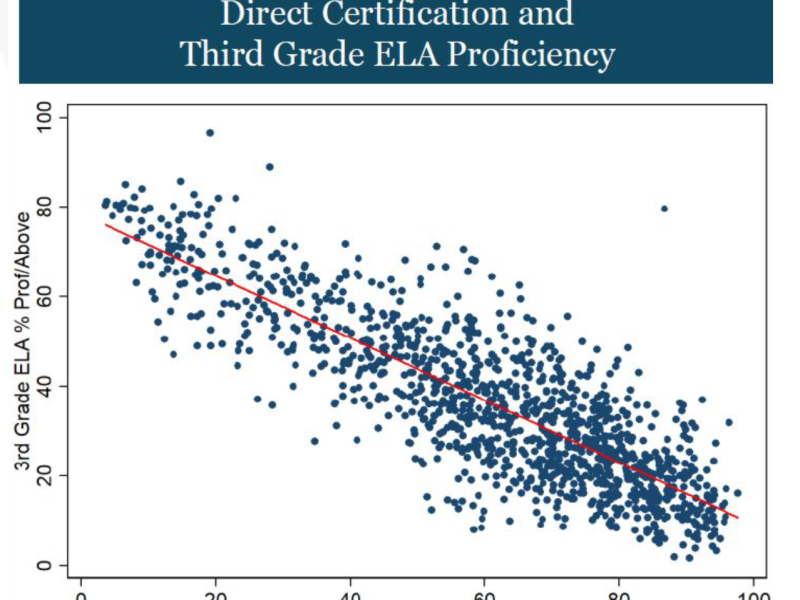
During a report to the board on the outcomes of this year’s legislative session, Dyer discussed the district’s efforts to persuade lawmakers to add an “opportunity weight” to Georgia’s Quality Basic Education (QBE) funding formula — a change supporters say would provide additional state funding for students living in poverty.

Albany Commission approves $358.2 million budget for Fiscal Year 2026-2027
The Albany City Commission approved a $358.2 million spending plan during its final meeting of the budget year that ends on June 30.
Red light violations will bring citations at a dozen Albany intersections
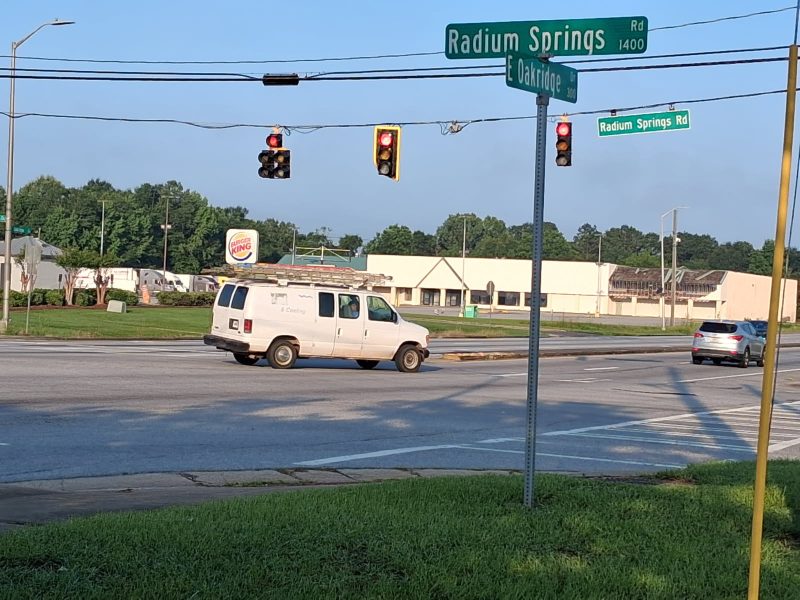
“That was always the goal of the school zone cameras, to change the behavior. It’s the same with the red lights, we want to change the behavior. When you see a yellow light, you need to slow down and prepare to stop.”
