
West Nile case confirmed in Mitchell County
By Alan Mauldin
alan.mauldin
@albanyherald.com
ALBANY – Georgia’s first case of West Nile virus in 2019 has been confirmed in a Mitchell County man who fell ill from the mosquito-borne disease, the Southwest Public Health District in Albany reported on Friday.
“The resident is an elderly adult male with underlying health conditions who is currently hospitalized,” District Epidemiologist Jacqueline Jenkins said.
The man, who is older than 65, contracted the virus in July.
Jenkins said the area where the resident resides has been assessed by an environmental health team for mosquito breeding sites and a vector control specialist is sampling the area for disease-carrying mosquitoes.
August is the peak season in Georgia for West Nile.
West Nile can be fatal, but in the majority of cases – 80 percent – the infected person experiences no symptoms.
“It has no noticeable effect on them,” Dr. Charles Ruis, the Southwest Public Health District director said. “About 20 percent of infected people will experience symptoms such as headache, fever, fatigue, joint pain and weakness. The majority of those will make a complete recovery within a few days.”
In rare cases, West Nile can be fatal. People with pre-existing medical conditions and the elderly are most at risk of severe illness.
About 1 percent of people infected with West Nile Virus will develop severe symptoms such as high fever, severe headaches and mental status changes, Ruis said.
“Uncommonly, the outcome is death,” he said.
Through Aug. 6, there had been four deaths attributed to West Nile, one each in Arizona, Arkansas, California and Nebraska, according the U.S. Center for Disease Control and Prevention.
The last death attributable solely to West Nile in the health district, which covers 14 Southwest Georgia counties, was in 2012. There were six total cases in 2018, the last of which occurred in Dougherty County.
Ruis recommended that area residents protect themselves from mosquitoes, and the diseases they carry, by:
♦ Applying insect repellent. Those containing DEET, picardin, oil of lemon eucalyptus and IR3535 are deemed effective by the CDC;
♦ Wearing long sleeves when possible, and wearing long pants and socks, particularly at dawn and dusk when mosquitoes are most active;
♦ Eliminating standing water around homes from gutters, planters, toys, old tires and other items that can hold water. A few drops of water are enough for a mosquito to breed and lay eggs;
♦ Trimming tall grass, weeds and vines to discourage mosquitoes; and
♦ Ensuring window and door screens fit tightly to prevent mosquitoes from entering the home.
Other diseases that can be spread by mosquitoes include the Zika virus, dengue and Eastern equine encephalitis.
Author

Related Articles
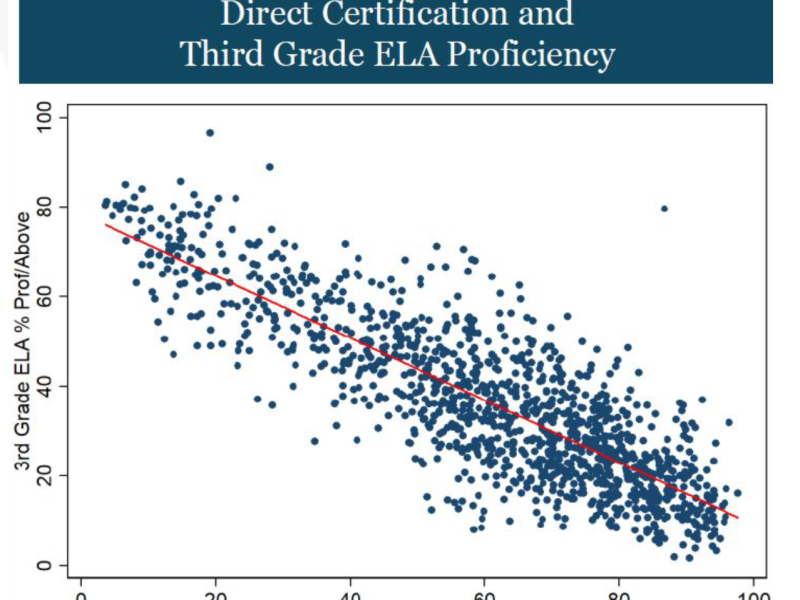
Georgia’s school funding formula still ignores poverty; educators say students pay the price
During a report to the board on the outcomes of this year’s legislative session, Dyer discussed the district’s efforts to persuade lawmakers to add an “opportunity weight” to Georgia’s Quality Basic Education (QBE) funding formula — a change supporters say would provide additional state funding for students living in poverty.
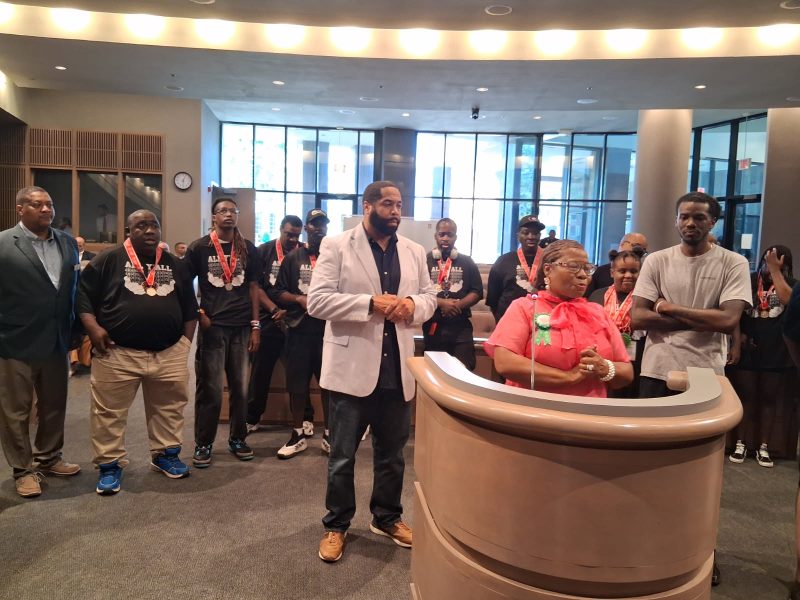
Albany Commission approves $358.2 million budget for Fiscal Year 2026-2027
The Albany City Commission approved a $358.2 million spending plan during its final meeting of the budget year that ends on June 30.
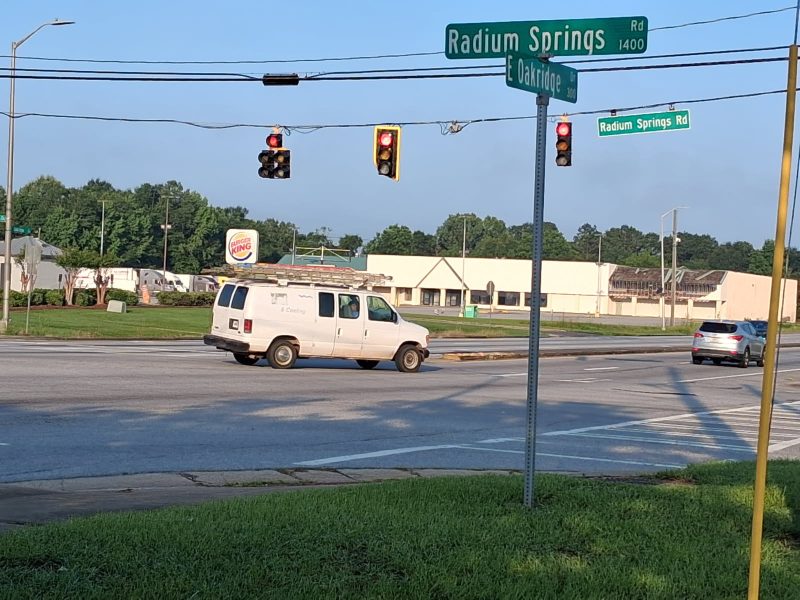
Red light violations will bring citations at a dozen Albany intersections
“That was always the goal of the school zone cameras, to change the behavior. It’s the same with the red lights, we want to change the behavior. When you see a yellow light, you need to slow down and prepare to stop.”
