
CARLTON FLETCHER: As you tell your story, it’s OK to be who you are
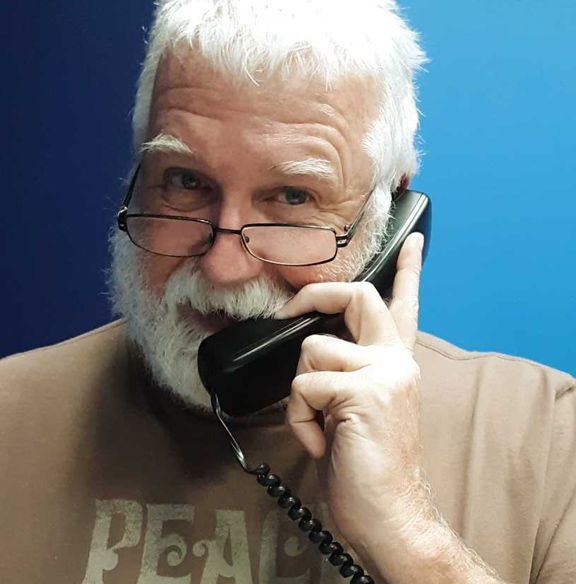
By Carlton Fletcher
[email protected]
“Poor, poor pitiful me. Poor, poor pitiful me.”
— Warren Zevon
I was talking with a new acquaintance recently, and in that human version of “sniffing each other out,” I responded to a question about my upbringing by saying, “Yeah, we grew up kind of poor in a very rural community.”
Over the course of our conversation, I mentioned such things as “using an outhouse because we didn’t have in-door plumbing” and “wearing used clothes that were ill-fitting and about three fashion trends behind.”
I realized later that I’d offered these comments as if they were badges of honor. I also realized — later, too, it would turn out — that the acquaintance, responding to questions about his upbringing, downplayed his wealthy background, no doubt in deference to my “poor-mouthing.”
I call it poor-mouthing, in hindsight, because I know it makes me sound more like an “up-by-the-bootstraps” kind of guy, one of those salt-of-the-earth folks who “overcame obstacles” to establish myself as a reasonably stable (relative term) person. But as I thought more about my coming-of-age story, it came across to me as not quite phony but also not really indicative of my early days.
Oh, we were indeed poor, given the standards of most of my friends and peers in Irwin County, and we did indeed have an outhouse and wore unfashionable clothes. But in the context of poverty — people going to bed hungry at night, cold or hot, depending on the vagaries of the weather — we were nowhere near the poor white trash that fits my general biographical introduction.
See, we may not have had the finest accommodations — although our talented and hard-working dad eventually brought his boyhood home-place that he bought up to modern-day standards — or the latest fashions, but we never went hungry. And we never had a Christmas season or birthday in which we did not receive gifts. I know now, as I’ve witnessed abject poverty first-hand, that there is a really big difference between going without and having nothing.
We went without things we wanted, but we almost always had the things we needed.
These thoughts occurred to me as I pondered how we view our existence: from our births right up to our current circumstances. For some reason, we overemphasize the hardships we’ve encountered and downplay the good times we’ve enjoyed on easy street. I guess we like to think of ourselves as “overcomers,” and there’s not a lot of accuracy in claims that we had to “survive” a silver-spoon childhood in which we were given everything we wanted by overindulgent parents.
The thing is, while those early days helped form our worldview and influenced us greatly as we moved through the stages of adolescence, the terrible teen years and into adulthood, the people we are today has more to do with how we perceive ourselves in relation to our current circumstances. I’m sure psychologists and psychoanalysts could have a field day — and make a lot of money — telling us how those early influences made us who we are now.
But the truth is, at some point we chose to become the people we are. Some of the sweetest, kindest, most generous people I’ve ever met were people who lived through all kinds of hardships growing up. And some of the meanest, stingiest, self-centered people I ever met were people who grew up in the veritable lap of luxury.
So we can extoll the people we meet with stories of hardship and woe, and we can downplay the influence of the wealth our family had. It really doesn’t matter. Because people are going to judge us based on who we are now, not how we “made it” in life by the sweat of our brow. You are — and I am — who you are because it’s who you decided to be. That’s where all of our stories begin.
We should all keep that in mind when we feel the urge to invent ourselves as more — or less — than who we really are.
Related Articles
Lee County homeowners have until Aug. 1 to claim property tax exemptions
Lee County homeowners have until Aug. 1 to apply for homestead and other property tax exemptions for the 2026 tax year, a deadline members of the Lee County Board of Tax Assessors highlighted Monday as they encouraged eligible residents to take advantage of available tax relief.
Dawson police arrest wanted suspect after Flock Safety camera alert
According to police, May drove into the yard of a nearby residence instead of complying with officers’ commands. He then exited the vehicle and ran into the home on foot.
Lee County stands alone without E-SPLOST. Here’s what that means for schools, taxpayers and the county’s future
Following the defeat of its referendum, Lee County became just the second of Georgia’s 159 counties without voter approval for an active ESPLOST, leaving the school system without the state’s primary local funding source for major construction, renovations, school buses and other capital improvements.
