
JENNIFER PARKS: NASA tragedies offer perspective of mankind’s progress
OPINION: Much of what NASA has achieved, lives lost in the process, largely forgotten

By Jennifer Parks
In June 1996, as an 11-year-old Space Camp participant, I watched Columbia launch into space.
On Feb, 1, 2003, age 18 at this time, I was taking my time coming downstairs like I would do any Saturday morning when my father knocked on my bedroom door and told me something was wrong with Columbia.
The orbiter was breaking up on re-entry, killing another seven astronauts. I was glued to the TV the rest of the weekend, in mourning.
This was one of three major disasters in NASA history after the Apollo 1 fire in 1967 and break-up (not explosion) of Challenger in 1986. All have anniversaries this week, and despite the extreme sacrifices stemming from these incidents – a total of 17 lives lost – much has been forgotten about why the people who made up these flight crews were willing to take such an extreme risk.
Columbia is the only one of the three disasters I remember. I have looked back at the news footage from Cape Canaveral the day Challenger was lost, and I have listened to the cabin transmissions and news coverage from Apollo 1. There is no doubt that while these incidents were fresh in the public’s minds, those witnessing the aftermath appeared to feel the same thing I was when I saw the footage for myself of Columbia breaking up high in the atmosphere.
(By the way, that radio transmission from Apollo 1 is not recommended for the faint of heart. It moves me to tears to even think about what Gus Grissom, Ed White and Roger Chaffee were going through in their final seconds.)
Much like the troops fighting for us overseas and the police officers protecting our streets, these astronauts strongly believed in what they were doing. They also knew it was risky, but they did it anyway because of the long-term benefit they believed it would have for their fellow man.
Yet all we seem to do is mourn their tragedies for a few minutes and move on. We worked to fix the problems and moved on. Forgetting about these sacrifices had consequences even at NASA, as the board investigating the Columbia disaster found that many of the lessons from Challenger did not set in as they should have.
Many of my fellow space nerds often see astronauts as heroes who are willing to step onto a powerful (and potentially deadly) rocket in order to advance a cause that America would see the fruits of for years to come. In the end, though, they are flesh and blood human beings just as vulnerable as we are — and the advancements coming from their work, even though we live with them every day, are often overlooked.
As my children grow into adulthood, what kind of space program will they remember? It will be very different from the one their grandparents remember as they watched Neil Armstrong walk on the moon, or from the Space Shuttle missions my generation grew up with.
The Space Shuttle was not very appreciated even during my generation. When John Glenn went up again in 1998 on Discovery, I was the only one in my classroom watching the launch who seemed to care. While my classmates pulled out their playing cards and socialized, I was yelling at them to shut up so I could pay attention — and all they did was glare at me.
I knew I was coming off as a nerd, but I didn’t care. Publicity stunt or not, Glenn made history when he went up on that flight. Maybe there is a chance the generation we are raising up now can learn to appreciate this history.
If they can’t, the achievements and sacrifices made since Alan Shepard’s flight will be forgotten, and all the remaining Challenger and Columbia debris will do is collect dust. If that were to happen, it would be tragedy happening all over again.
Email Jennifer Parks at [email protected]. Follow her on Twitter @ABH_Parks.
Related Articles

Squawkbox – June 27, 2026
Albany’s “leadership” is involved in criminal activity and will be… Franklin Graham and the other pastors of “super churches”…
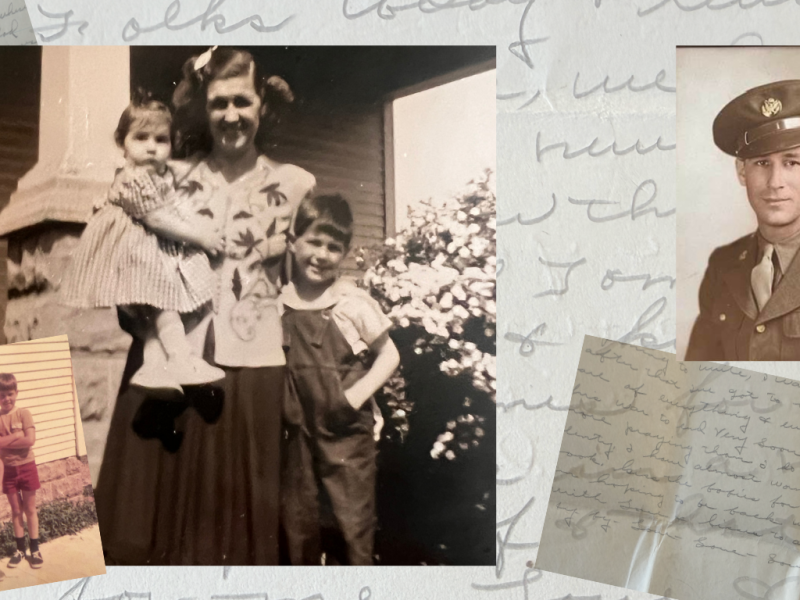
My Grandpa Was Killed in World War II. I Met Him Through His Letters Home
Gina Wolf’s grandfather died before she was born. His letters sent to her grandmother from Europe during World War II made it possible to know what kind of man he was.

TARA FLETCHER: Women are often trapped by abusive partners
Today, and every day after, in the United States, three women will be murdered by their significant other.
