
Transportation funding for seniors, Family Care Act among CO-AGE priorities
Coalition of Advocates for Georgia’s Elderly announces priority issues
By Jennifer Parks
ALBANY — SOWEGA Council on Aging Executive Director Kay Hind said Monday that some main priorities were brought home after the Coalition of Advocates for Georgia’s Elderly, or CO-AGE, opted for Home and Community Based Services and transportation funding to be budgetary priorities and for the Family Care Act, oral health care for seniors and an abuser registry to be the legislative priorities this year.
CO-AGE met in Macon last month to discuss and vote on specific topics that determine which home- and community-based services will receive funding, as well as the legislative issues regarding the elderly for which they will lobby the state’s elected officials to support.
Hind said that the HCBS funding is perennial, and is always nice to have. The transportation funding was the item she said she was the most excited about. That funding, if passed, would supply the monetary support necessary to take seniors to certain places, such as doctors appointments, they might not otherwise get.
When the SOWEGA Council on Aging hosts a public hearing, Hind said, transportation is often one of the hottest issues to come up. But, she noted, no matter how many services are offered to the elderly, they do no good if the people do not have the means to get to them.
“These are things that are desperately needed, but not covered. (The funding) would provide us additional money to work with, and we will be able to help a lot of people,” she said.
The funding, the amount of which is not yet clear, would be divided among 12 areas of the state depending on need, if it is approved, Hind said.
“Any money we get would be good, one way or the other,” she said.
Around 200 advocates for the elderly were in attendance for the July gathering. In all, 10 issues were proposed out of the 21 initially submitted.
Proposed budget issues were explained to the CO-AGE gathering by various speakers before the vote was taken. The other issues presented at the meeting included funding for staffing increases in support of adult protective services, staff training in support of adult protective services, provider increases for the Community Care Service program and staffing increases for the Forensic Special Initiatives Unit.
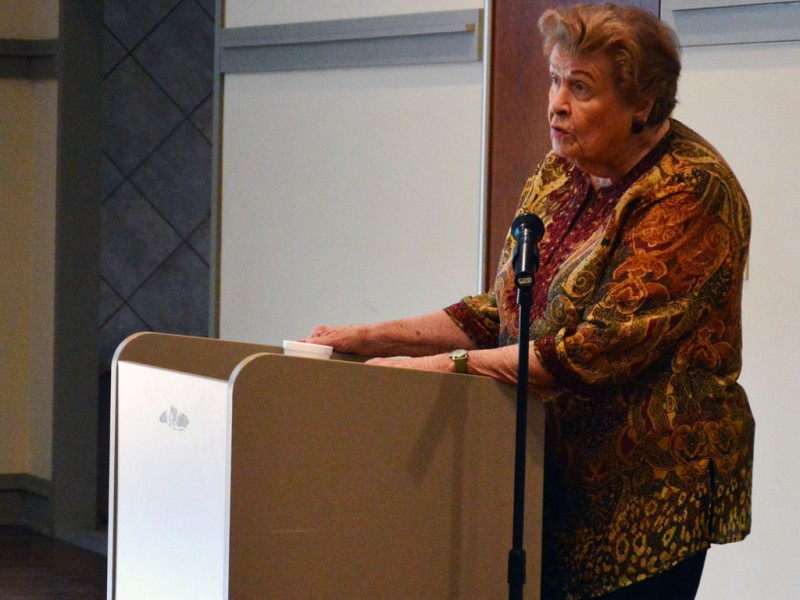
Hind, a recently re-appointed CO-AGE member, was in attendance on behalf of the region. She said that oral health care for seniors is a prevalent concern that also garnered her support. If passed, the legislation will allow hygienists to go into nursing homes without a dentist present to perform preventive care services while still under the supervision of a dentist.
The current regulation is for a hygienist to work only with a dentist present in the building, which supporters of the measure say hampers access to dental care for seniors.
“It is what (hygienists) are trained to do, and people in nursing homes can’t get to a dentist,” Hind said.
The Family Care Act would allow for working individuals with sick leave to use it to care for immediate family members.
The abuser registry item refers to the potential expansion of the existing Certified Nurse Assistant Registry to permit receipt of complaints on CNAs working in all settings and to allow providers and consumers to check one out before hiring them.
The SOWEGA Council on Aging hosted Engage with CO-AGE at the Kay Hind Senior Life Enrichment Center in April as an opportunity to discuss what the most recent General Assembly session did for the state’s senior population and to plan for future action. The report said that, during the last session, almost $7 million was approved in new funding for aging services.
Other bills of interest to the aging population that passed during that session were the Uniform Guardianship Act, Nursing Home Liability Bill, and the Achieving a Better Life Experience, or ABLE, Act. A power of attorney bill, HB 918, and SB 389, aimed at the Supplemental Nutrition Assistance Program and Temporary Assistance for Needy Families, did not pass.
For those who want to join CO-AGE, the fee is $25 per year, and members receive updates and information on issues pertaining to the elderly. Those interested can register by calling (229) 432-1124 or visiting gcoa.org.
Hind added that she will attend the Senior Hunger Summit at the Atlanta Evergreen Marriott Conference Resort in Stone Mountain in September, at which ways unused food can benefit seniors who may not be getting all the meals they need will be discussed.
Related Articles
Dawson Council approves $400,000 lifeline in emergency meeting as financial accountability remains elusive
Less than a week after city officials publicly acknowledged the City of Dawson cannot continue operating without additional financing, the Dawson City Council convened a hastily called emergency meeting Tuesday evening and unanimously approved authority to borrow up to $400,000 through a tax anticipation note.
Adult leadership group spreads concept to high school students
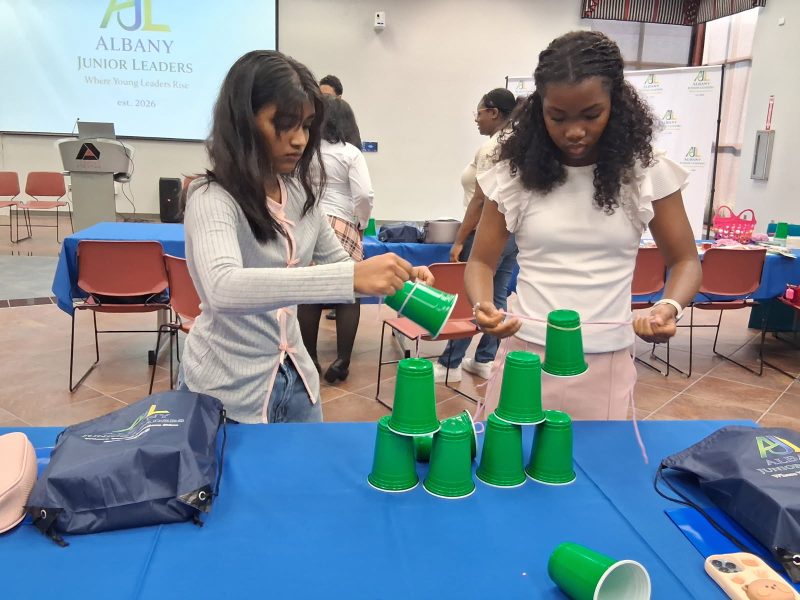
“The purpose of Albany Junior Leaders is to pull together leaders from all over the community. We wanted to give these youth the same experience and the same exposure we’re getting in Leadership Albany.”
Albany/Dougherty County among local governments looking at data centers
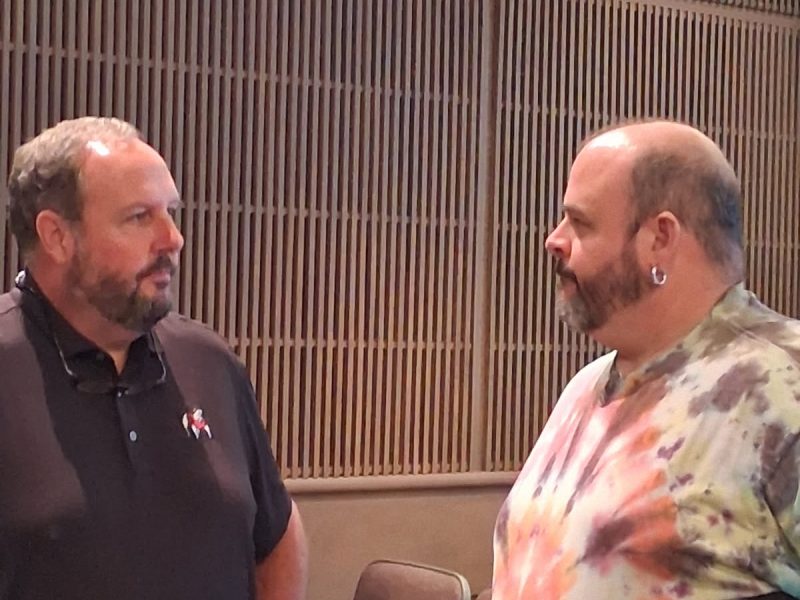
“Our understanding is that data center developments look like an easy fix for the problems that face rural America, but this is a Faustian deal at best. You can see the effects in communities across the state and country.
