
Georgia joins multistate investigation into manufacturers’ marketing, sale of opioids
Attorney General Chris Carr says his office is working to combat drug overdose epidemic
By Jim Hendricks
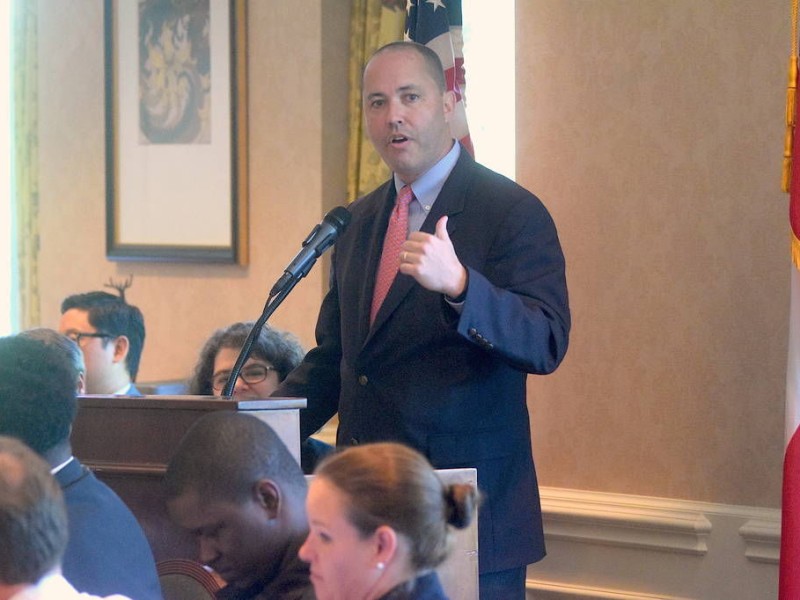
ATLANTA – Georgia Attorney General Chris Carr said Thursday that his office is working with state prosecutors across the country in an investigation into whether manufacturers have engaged in unlawful practices in marketing and selling opioids.
Carr said his office’s Consumer Protection Unit will work with a bipartisan coalition of attorneys general.
“America’s biggest drug problem isn’t only on our streets, it is also in our medicine cabinets,” Carr said. “From June of 2016 to May of 2017, the total number of legal opioid doses prescribed to Georgia patients surpassed 541 million, and we are losing far too many citizens as a result of drug overdoses.
“I am pledging to the residents of Georgia that our office is prepared to take every step necessary to help combat this epidemic, and we will continue to find ways to work with our federal, state and local partners to seek justice on behalf of the people of Georgia.”
Nationwide and in Georgia opioids — both prescription and illegal — are the main driver of drug overdose deaths, Carr said. Opioids were involved in 33,091 deaths nationwide in 2015, and opioid overdoses have quadrupled since 1999. Currently, 55 Georgia counties have overdose rates higher than the national average.
A 2017 white paper by the Georgia Prevention Project found a growing trend of the number of deaths in Georgia attributable to overdoses of opioids or heroin, as well as a steady increase in all drug overdose deaths year-to-year. In 2001, there were 559 overdose deaths in the state, with 243 of those coming from the use of opioids and heroin, the latter of which accounted for three of the opioid-related deaths. In 2015, the overall number of overdose deaths had risen to 1,307, with 900 of those from opioids/heroin. Heroin that year accounted for 90 of the deaths.
Of the opioid deaths from prescription medication, the study found a steady rise from 152 in 2001 to 498 in 2011. After a two-year decline, the number peaked at 588 in 2014 and dropped to 549 in 2015, with researchers saying that was because users had switched to heroin, which rose from 90 deaths in 2014 to 121 in 2015.
Drug OD deaths are catching up with fatal auto crashes in the number of deaths per year. In 2001 there were 1,509 deaths from motor vehicle crashes compared to the 559 drug overdose deaths. Auto cash deaths peaked for the period with 1,673 in 2007 (when there were 859 drug deaths), but the two causes have since grown much closer as crashes have fallen and ODs have risen. In 2015, there were only 38 more auto crash deaths (1,345) than drug OD deaths.
Those abusing opioids also are finding deadlier street options. In recent days, a powerful new street drug has shown up in Georgia that is designed to resemble Percocet, a prescription drug that combines the opioid oxycodone with acetaminophen (Tylenol).
The new compound has been linked to deaths and a number of hospital visits for overdoses. The Georgia Bureau of Investigation said this week that the knockoff street drug contains a mixture of two synthetic opioids, cyclopropyl fentanyl and U-47700.
U-47700 is 7.5 times stronger than morphine. Officials are unsure of the effect cyclopropyl fentanyl, which is chemically similar to fentanyl, can have on people. Cyclopropyl fentanyl is a new drug, primarily used in research and forensic work, that is not intended for use on people or animals. GBI officials caution that the drugs, which can be absorbed through the skin and inhaled, are unsafe at any level of exposure.
Related Articles
Dawson Council approves $400,000 lifeline in emergency meeting as financial accountability remains elusive
Less than a week after city officials publicly acknowledged the City of Dawson cannot continue operating without additional financing, the Dawson City Council convened a hastily called emergency meeting Tuesday evening and unanimously approved authority to borrow up to $400,000 through a tax anticipation note.

Adult leadership group spreads concept to high school students
“The purpose of Albany Junior Leaders is to pull together leaders from all over the community. We wanted to give these youth the same experience and the same exposure we’re getting in Leadership Albany.”
Albany/Dougherty County among local governments looking at data centers
“Our understanding is that data center developments look like an easy fix for the problems that face rural America, but this is a Faustian deal at best. You can see the effects in communities across the state and country.
