
Trail legal battle ongoing as Albany legal costs top $91,000
“They’ve now appealed to the Supreme Court after losing twice to try to stall this out further on the promise they made to the citizens of Albany to build a trail.”
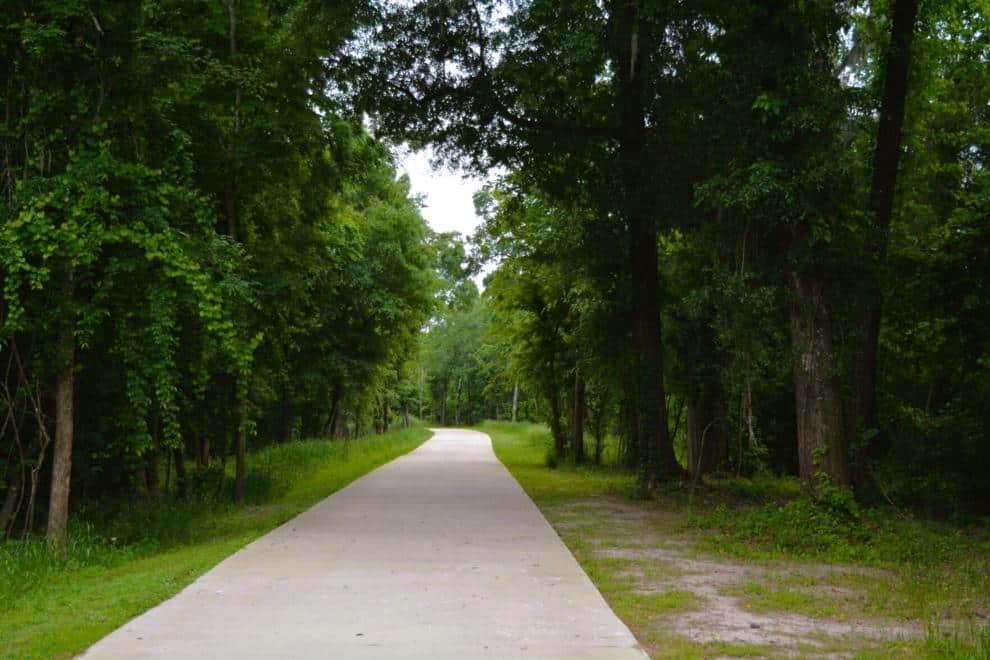
ALBANY – What started as a land sale and contract to ensure the construction of a trail linking Albany to Sasser has become a legal battle that has dragged on for years without a foot of concrete being poured.
South Georgia Rails to Trails donated land to the city of Albany in 2015 with the promise that the city would complete a 13.6-mile trail through Dougherty, Lee and Terrell counties along an abandoned rail bed.
That legal struggle has been fought in Dougherty County Superior Court, and after a ruling favorable to SGRT taken by the city to the Georgia Court of Appeals, which in May 2025 denied the city’s request to dismiss SGRT’s breach-of-contract suit.
That follows a 2024 ruling in Superior Court in which the city’s motion to dismiss SGRT’s $7 million lawsuit was denied.
Now the city is asking the Georgia Supreme Court to consider the case.
At issue is the trail group’s sale of land to the city in 2015 at a cost of $150,000, with the agreement that the city would complete the trail project within five years. The city has used the land as a means of extending natural gas service and other utilities to Lee County and to hook into a gas supply source for its system.
At the Appeals Court level, the city’s attorneys argued that the Albany City Commission could not be locked into multi-year obligations by a previous commission and that the contract was void and unenforceable.
The city has spent about $91,000 on legal costs so far, according to a response from the city attorney’s office to a request from The Albany Herald under Georgia’s Open Meetings Law.
The city has enlisted an outside law firm to represent its case in the court battle.
“They’ve now appealed to the Supreme Court after losing twice to try to stall this out further on the promise they made to the citizens of Albany to build a trail,” Albany attorney Chris Cohilas, who has represented SGRT for the Superior Court and Court of Appeals arguments, said. “What does a municipality do well? They can build streets and sidewalks. How hard is it for the city to build a big sidewalk from Albany to Sasser?”
The attorney dismissed the city’s engagement with the Georgia Department of Transportation to conduct a study and design a trail.
“How many plans do they already have?” he said.
Over the more than a decade that the drama has played out, the cost of construction has increased dramatically, Cohilas said.
“The cost of construction is going up every day they pay him (attorney) to give them bad news,” Cohilas said.
Then there are the costs of lost opportunities, he said. The trail could have been bringing more people to visit downtown Albany, Cohilas said pointing to projects like the Atlanta Beltline that have provided a huge economic boon to the area in which it is located.
“They say they want more foot traffic,” Cohilas said. “People who walk on trails are on foot.”
The city has not abandoned the trail project, City Commissioner Chad Warbington said. It was awarded a $1 million grant through the DOT for the design and plans to apply for grant money to help pay construction costs once that plan is completed.
“We’re moving forward with the trail,” he said. “We’re full-bore with the DOT designing it to DOT standards. They have to go through all their steps. DOT does not move quickly because they make sure every process is followed, every safety measure is (considered).”
A big concern is safety, considering the large number of streets and roads that the trail will cross, including the five-lane North Slappey Boulevard, the commissioner said.
“I would hope they (SGRT) would participate in the design process, but they’re over in their own little world trying to sue the city,” Warbington said.
The city has money set aside from collections of sales taxes earmarked for the trail, whose total cost will likely be around $14 million, Warbington said. He also said that the city should work with Dougherty, Lee and Terrell counties to seek funding due to the trail running through those counties.
“If four entities are participating and cost-sharing, I think we have a really good chance of being successful” in the grant application process,” he said.
The trail issue should have been handled better and worked out before it came to a head with a lawsuit, Albany City Commissioner Diana Brown said.
“At the end of the day, I think it should have been worked out before it got to this point,” she said. “If we would sit here and work (out) better policies, we wouldn’t be having all these lawsuits coming forward costing the citizens and our taxpayers.
“Where is that $91,000 coming from? It’s coming from taxpayers.”
The Supreme Court has not indicated whether it will take up the case. If it does, it will have two court sessions in which to hear it, according to a spokesperson with the court.
The cost of the legal battle, at $91,000, is far less than constructing the trail, Albany Mayor Bo Dorough said.
Author

Related Articles
Dawson Council approves $400,000 lifeline in emergency meeting as financial accountability remains elusive
Less than a week after city officials publicly acknowledged the City of Dawson cannot continue operating without additional financing, the Dawson City Council convened a hastily called emergency meeting Tuesday evening and unanimously approved authority to borrow up to $400,000 through a tax anticipation note.

Lee County homeowners have until Aug. 1 to claim property tax exemptions
Lee County homeowners have until Aug. 1 to apply for homestead and other property tax exemptions for the 2026 tax year, a deadline members of the Lee County Board of Tax Assessors highlighted Monday as they encouraged eligible residents to take advantage of available tax relief.
Albany Herald – July 16, 2026
Albany among local governments looking… ASU Marching Rams first HBCU band
invited…
