
Improper payroll deductions among seven findings in Terrell school audit; corrective action planned
Terrell County school officials are working to correct payroll, purchasing and recordkeeping weaknesses identified in a fiscal 2025 audit, with Superintendent Shereca Harvey outlining the findings and additional reviews during an Oct. 6 school board work session.
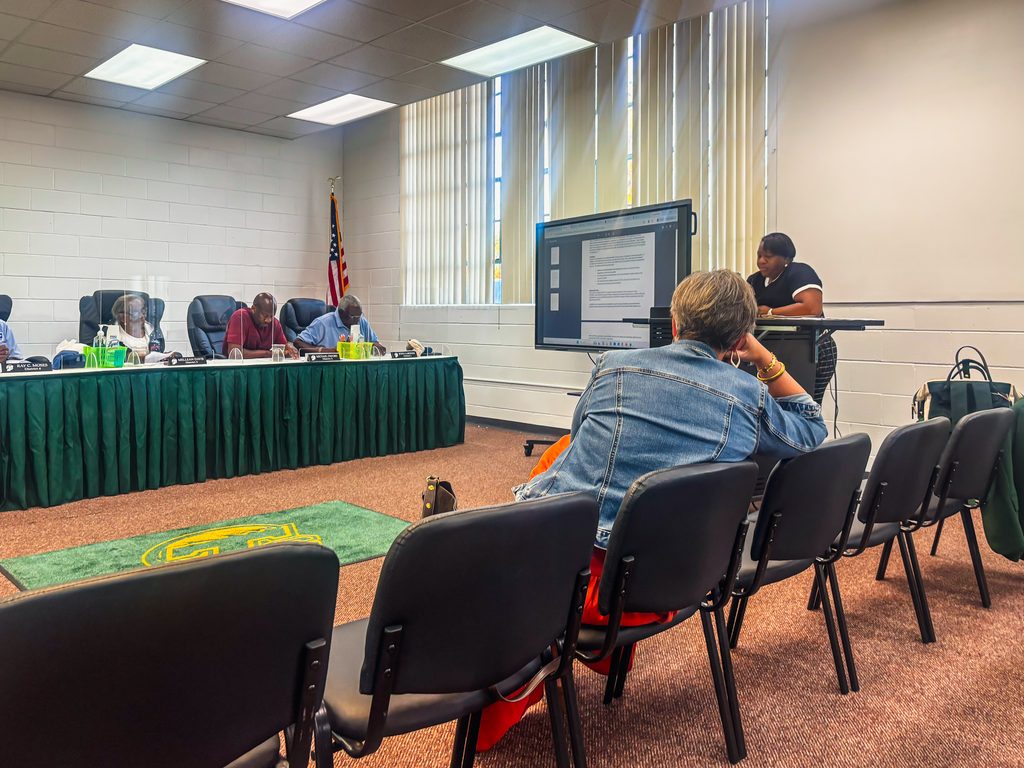
DAWSON — Terrell County school officials are working to correct payroll, purchasing and recordkeeping weaknesses identified in a Fiscal 2025 audit by the Georgia Department of Audits and Accounts, with Superintendent Shereca Harvey outlining the findings and corrective actions during an Oct. 6 school board work session.
Harvey outlined seven findings: two involving financial statements and five involving federal awards. An exit conference with auditors was held Sept. 25. All five board members attended Tuesday’s work session.
“Most of the issues that were addressed have already been corrected,” Harvey said.
The period under review predates Harvey’s tenure as superintendent. Fiscal 2025 ended June 30, 2025; she took office July 1, 2025. The audit work took place later, as the district was rebuilding its finance department.
Tony Lowe joined as finance director in February 2026 and was promoted to chief financial officer at the start of the next fiscal year, Harvey previously said. He later resigned to take the CFO position with Sumter County Schools after about six months in Terrell.
On Aug. 25, the board approved Mauldin & Jenkins to provide CFO consulting and financial support following Lowe’s departure.
Among the findings Harvey discussed Tuesday were improper Social Security deductions, inadequate documentation supporting compensation to two management-level employees, incomplete equipment records and missing documentation for accounting adjustments.
Harvey said Social Security deductions had been withheld from several employees’ pay despite the district having opted out of Social Security years earlier.
“Why was Social Security being withheld from employees when we were not a Social Security district?” she asked. “We were Medicare-only.”
When a board member asked where the deducted money had gone, Harvey said the question remained unresolved.
“We can’t say one way or the other if monies were being sent to Social Security on their behalf,” she said. “We’re working on this part. That’s all I can say.”
Harvey said the district would have to correct the improper deductions and “get those funds back to those employees.” She said the practice had not been identified in earlier annual audits.
“These practices were not new, but this was a new team that was looking at things in a different way,” she said.
Auditors also identified incomplete equipment records. Four equipment items totaling more than $275,000 were omitted from an equipment listing, Harvey said.
An equipment-tracking finding involved air conditioning units purchased for buses with federal funds. Harvey said auditors visited the bus shop but could not locate one item they requested.
“We still could not put our hands on that item,” she said.
Further questioning indicated the item had been disposed of, but the district lacked a record documenting that action.
“That record was not on file in our office,” Harvey said.
Harvey also said seven of 25 journal entries reviewed lacked adequate supporting documentation. Those entries record changes in the district’s accounts, including corrections to which fund paid an expense. Other findings involved weaknesses in school nutrition purchasing, reimbursement requests and meal reporting.
Harvey said the district remains designated “moderate risk” and expects that status to continue.
The designation concerns financial oversight rather than student achievement. Under the criteria Georgia currently uses, moderate risk identifies systems with reported financial irregularities or budget deficits for one year or two consecutive years. It signals a need for corrective action and closer monitoring; the designation alone does not establish theft or misconduct.
According to the Georgia Department of Audits and Accounts, designated districts must submit a board-approved corrective action plan within 60 days of designation, provide monthly anticipated-spending reports for each board member’s review and signature, and publish annual financial information. Superintendents also must complete required training.
Harvey said the findings prompted three additional reviews: special education grant spending, federal equipment management involving bus air conditioning equipment, and Medicaid reimbursements.
She linked the special education review to a social worker’s salary charged to that program. The federal programs review is expected in January, while the Medicaid review is scheduled for November, she said.
The audit process examines financial records and safeguards. Corrective action plans document how the district will address identified weaknesses and prevent them from recurring.
Harvey described changes already underway, including board-approved salary schedules, printed payroll records and a purchasing process requiring price quotes, approvals and supporting documentation before payments are issued.
Harvey said the district must be able to document what it owes before issuing payments.
“I can’t just write a check for a certain amount of money when I don’t have the documentation,” she said. “It’s not that we don’t want to pay people. We just have to have documentation.”
Harvey asked board members to review the findings and prepare to approve corrective action plans outlining how the district will address the weaknesses. The board discussed those steps Tuesday but did not vote to approve the plans, according to the meeting minutes.
The board’s next regular meeting is scheduled for 7 p.m. Oct. 12 at 761 First Ave. SE in Dawson. Harvey said corrective action plans would come before the board that evening if state auditors had reviewed and approved them in time. Board members also will be responsible for reviewing and signing monthly reports of anticipated spending as the district continues under its moderate-risk designation.
“I just want to make sure you have the right information,” Harvey told the board.
Related Articles
Dougherty County Sheriff’s Office looks to make more arrests in Saturday shooting incident
“It’s still under investigation and we’re looking to make more arrests as we gather more evidence and identify more individuals involved. That’s our interpretation, that it was an argument or a fight that went down. That’s one thing we are looking at.”
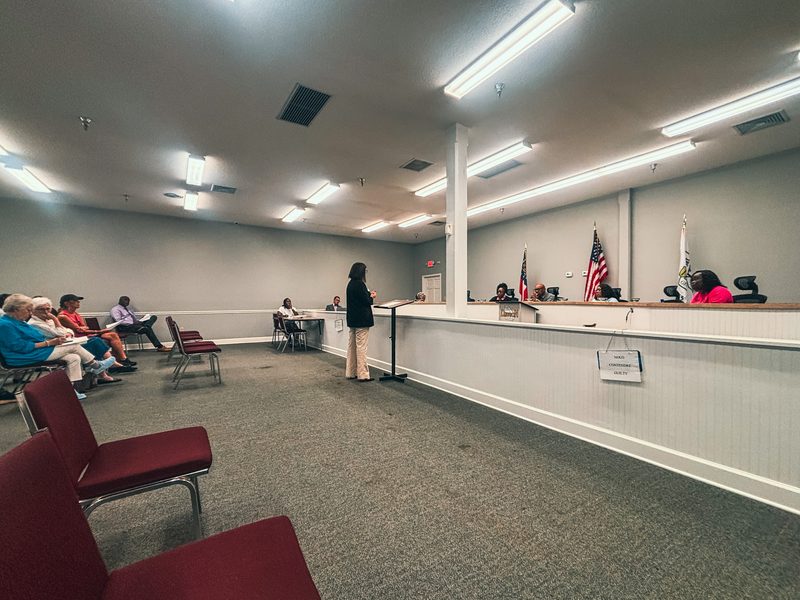
No budget, overdue audits: Dawson extends spending through November
More than five weeks into its fiscal year without an adopted budget, Dawson has authorized spending through November while officials work to close a projected general fund shortfall.
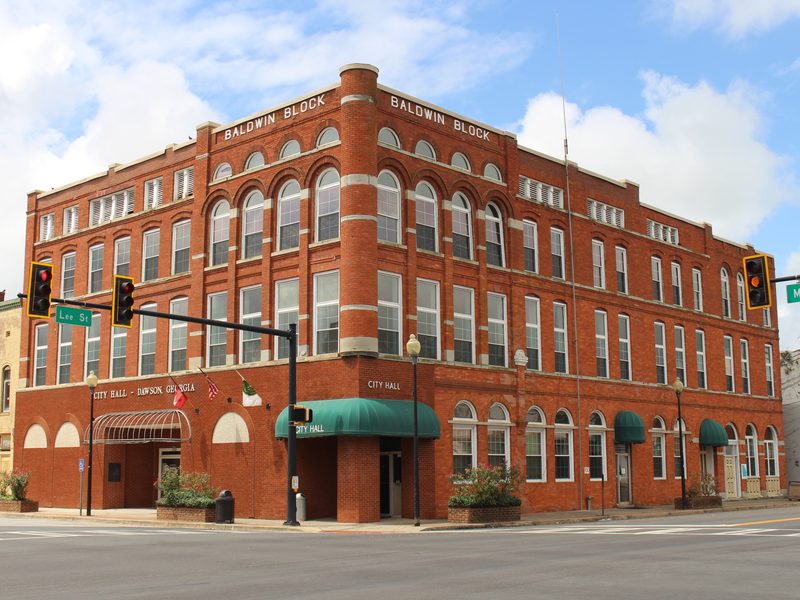
Dawson City Council update: Downtown plans, sewer work and medical office lease
Efforts to reactivate Dawson’s Downtown Development Authority should include an open application process to identify residents interested in helping shape downtown’s future, a Georgia Municipal Association representative told the City Council on Oct. 8.
