
From hospital to habitat; Phoebe donation transforms care at Chehaw Zoo
For zoo staff, the addition marks a major shift in how animals are evaluated and treated. Until now, many cases required transporting animals to outside veterinary clinics — a process that often involved sedation, coordination and added risk.

ALBANY — Operating with the “bear” necessities can sometimes call for creative problem-solving, so when a key piece of Phoebe Putney Memorial Hospital’s digital imaging equipment was upgraded to newer technology, its director of digital imaging found the purr-fect home for the decommissioned machine.
The equipment — a fully functional mobile X-ray system valued at more than $100,000 — has been donated to Chehaw Park & Zoo, where it will allow staff to perform diagnostic imaging on-site. The unit was removed from hospital use as part of a transition to newer digital technology but remained in good working condition, making it a significant asset for a facility that previously lacked in-house imaging capabilities.
“We recently purchased new technology with more advanced imaging capabilities, but this machine still works well,” Tracy Wilkinson, director of Phoebe Imaging Services, said. “Typically, we would just trade it back in to the company that sold it to us, but if we can keep it here in our community to support an organization like Chehaw, that’s great.”
For zoo staff, the addition marks a major shift in how animals are evaluated and treated. Until now, many cases required transporting animals to outside veterinary clinics, a process that often involved sedation, coordination and added risk.
“This is going to help us out a lot,” said Dr. Austin Mobley of Leesburg Animal Hospital, who provides the majority of care for Chehaw’s residents, both preventative and emergency.
“Everything’s a little bit different in comparison to providing care for companion animals. The number of species means I’m always researching and reading. Cheetahs are very different from rhinos, so learning their anatomical structures and developing treatment plans for both is very different.”
Even routine exams will be simplified with the new equipment in place.
“When we do routine diagnostics, for example with a cheetah, we have to sedate it, transport it to the clinic, complete the imaging, then transport it back, wake it up and monitor recovery,” Mobley said. “Here, that process is much shorter and more seamless.”
Zoo staff said the primary benefit is reduced stress on the animals.
“We can move them from their exhibit straight to imaging and then straight back,” Mobley said. “Less stressful for the animal, less stressful for the staff and fewer chances for anything to go wrong.”
The partnership traces back more than a year, when zoo officials contacted Phoebe’s imaging department seeking help X-raying a bear. While the hospital was unable to accommodate the request directly, Wilkinson said she worked to find a solution.
“We couldn’t do it, but I knew who could,” Wilkinson said, explaining that she connected the zoo with a mobile imaging provider through her sister, who works in the field.
That connection brought mobile imaging teams to Chehaw, but it also underscored the need for a more permanent solution.
“When we knew we were pulling this one out of service, we knew of the need Chehaw had,” Wilkinson said. “It’s still a really good machine. It has a lot of life left in it.”
The donated system features a movable C-arm that allows technicians to capture real-time images from multiple angles without repositioning the patient, an advantage that is especially important when working with large or potentially dangerous animals. Unlike a traditional static X-ray machine, the C-arm rotates and angles around the animal, eliminating the need to manually reposition large or sedated animals for different imaging views. The unit also can be moved outside the clinic when needed for larger animals.
The equipment also supports preventative care, allowing zoo staff to establish imaging baselines and monitor changes over time. Routine diagnostics can help identify conditions such as arthritis, internal injuries or respiratory issues before they become more serious.
Zoo officials said the addition comes at a critical time, as the facility works to expand its veterinary capabilities and pursue accreditation benchmarks that emphasize animal welfare and advanced care.
For Phoebe, the donation reflects a broader commitment to community partnership, something Wilkinson said has been a defining part of working in southwest Georgia.
“These kinds of partnerships weren’t as common in larger markets,” she said. “It’s nice to be part of a community where you can do something like this.”
The contribution underscores a broader truth: When nonprofits are strengthened, the benefits rarely stay contained, extending across communities, across systems and, in this case, across species.
Related Articles
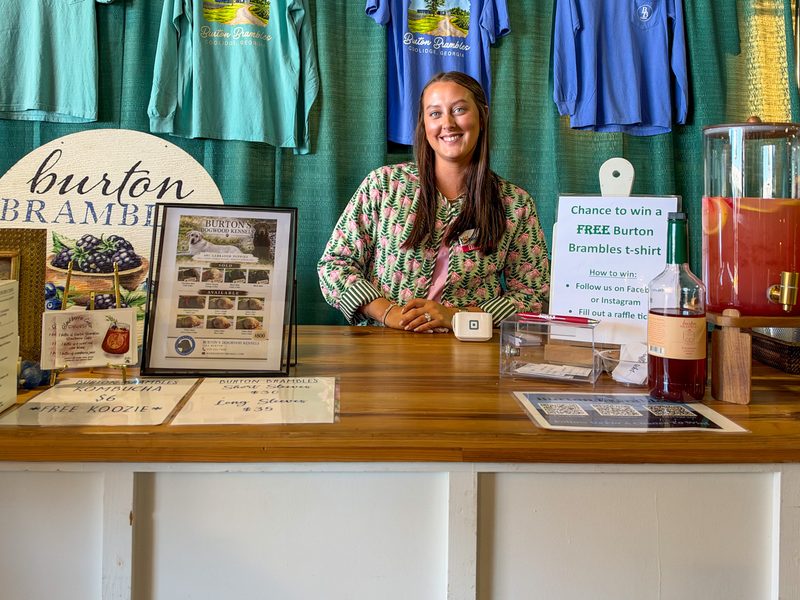
Beyond the bushel: Value-added products give southwest Georgia growers a second paycheck
Across the exhibit halls at Spence Field, farmers and small manufacturers showed how they turn raw crops into finished products. They bottle sauces, box gifts, print shirts, and they find new income and new customers along the way.
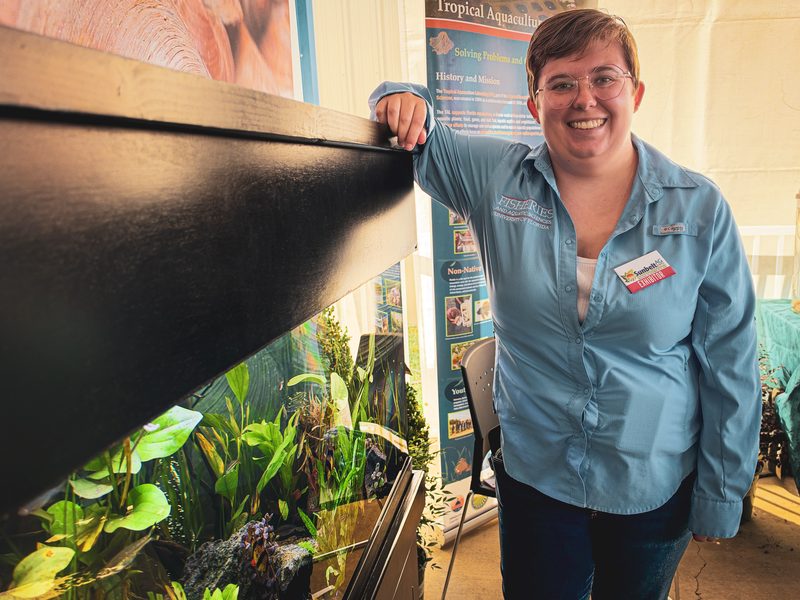
Small fish make big business for Southern farmers
The fish in a University of Florida display at the annual Sunbelt Ag Expo this week were more than technicolor aquarium pets. They are farm products, representing a multimillion-dollar industry that depends on breeding, feeding and keeping some very small livestock alive.
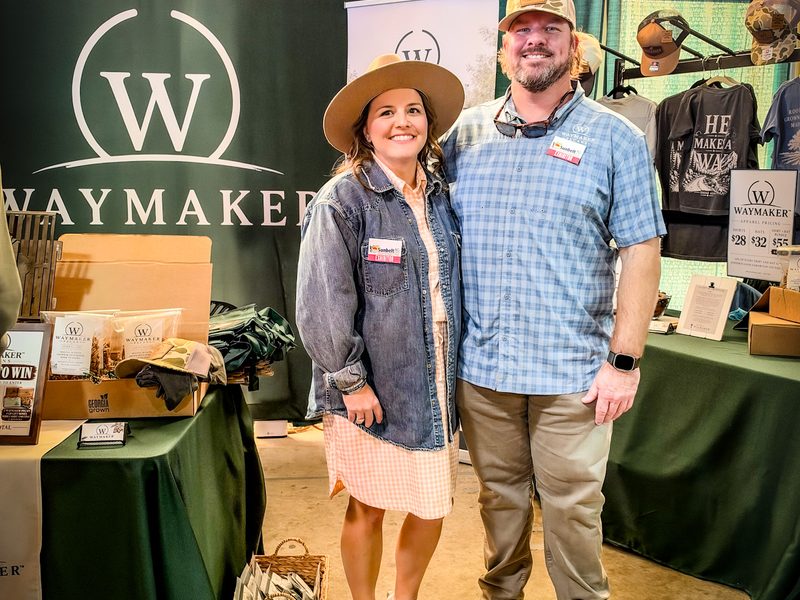
Pelham farmers turn hardship into a regenerative mission
When serious health problems disrupted April Workman’s career, she and her husband, James, began reconsidering how they earned a living, raised their family and cared for their farm.
