
Albany, Dougherty leaders extend deadline for facilities maintenance
Mediation would be sought if no service delivery agreement is reached by Sept. 1
By Carlton Fletcher
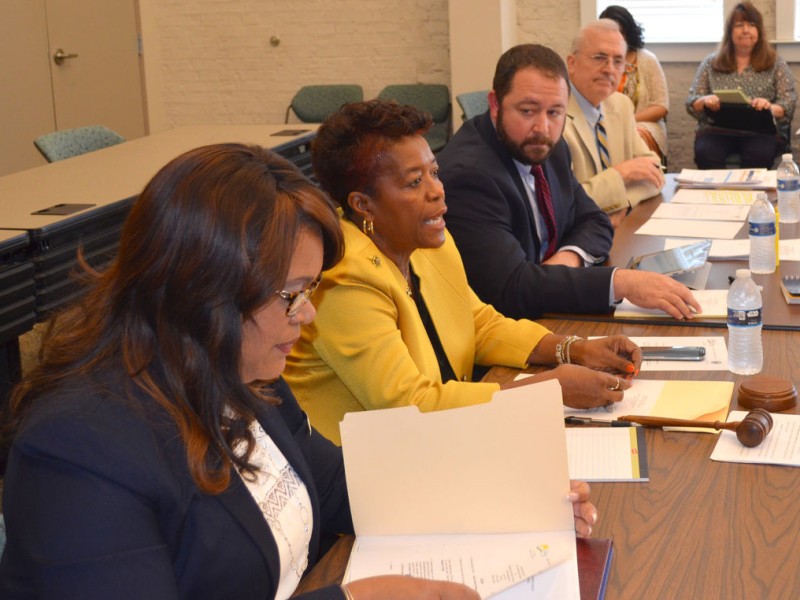
ALBANY — City and county officials have a while longer to determine how their service delivery agreement for facilities management will look for the next 10 years after approving a joint resolution Thursday to extend their current agreement until Oct. 31.
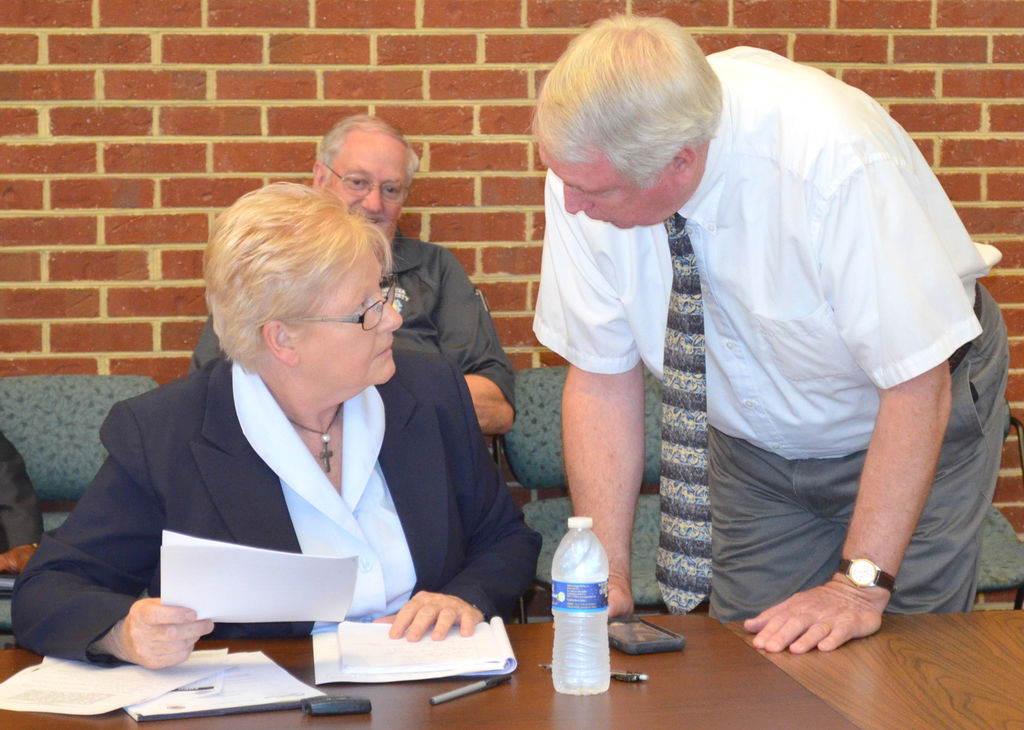
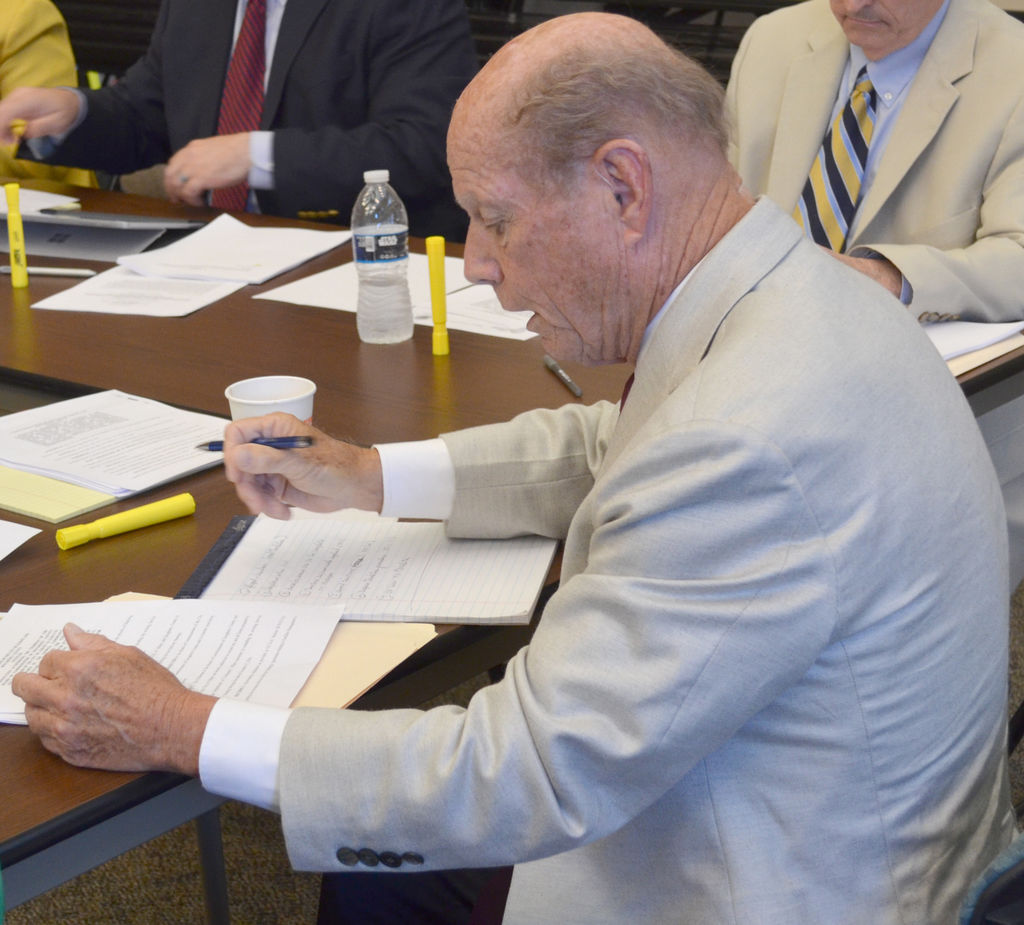
The somewhat historic joint meeting was called when it became apparent Albany and Dougherty County officials could not work out a service delivery agreement for joint use and payment of office space in the downtown Government Center, Central Square Annex building and Judicial Building that was satisfactory to both government bodies.
The agreement is one of 27 between the city and county that meets the state requirements minimizing “duplication of services,” which became law with the passage of HB 489 in 1996. The agreements are renegotiated every 10 years, and Thursday’s joint meeting came about as a result of the first overt disagreement between the two entities since passage of the law.
The resolution, passed unanimously Thursday by both commissions, extends the current facilities agreement until Oct. 31. It also provides for non-binding mediation by a qualified mediator if staff cannot enact an agreement by Sept. 1. Ward V City Commissioner Bob Langstaff, an attorney, suggested, and both bodies adopted, adding the Sept. 1 deadline to the resolution.
“To be clear, we do not have to go through mediation to come to an agreement, but I think we should have a target date to start the mediation process in case there is no movement toward an agreement,” Langstaff said.
County Attorney Spencer Lee, who went over applicable Georgia law to explain the process to both boards, and City Attorney Nathan Davis crafted the resolution that both boards passed 6-0, with Langstaff’s suggested amendment. City Commissioner Tommie Postell, who is going through rehab after suffering what is being described as a mild stroke, and County Commissioner Clinton Johnson did not attend the meeting.
“I’m a glass-half-full kind of person, so I’m optimistic we can still reach an agreement,” said City Manager Sharon Subadan, who with County Administrator Richard Crowdis, Mayor Dorothy Hubbard and County Commission Chairman Chris Cohilas presided over the joint meeting. “But extending the deadline (for an agreement) was absolutely the right thing to do. We needed to make sure we didn’t fall into sanctions.”
Lee explained that sanctions, which include withholding of state financial assistance, grants, loans or permits, would kick in on July 1 if the city and county did not either have an agreement in place or extend the deadline.
“The Department of Community Affairs wants the service delivery agreements done by June 1 so that they can approve them, and in place by July 1, at the start of the new fiscal year,” Lee said. “It’s obvious we can’t meet that deadline, so we’ve drawn up a joint resolution that must be passed by both commissions to extend the current agreement by 120 days, until Oct. 31.
“To avoid these sanctions, Nathan and I have come up with what we think is a fair agreement for both sides. Of course, if staff comes up with an agreement anytime between now and Oct. 31, pow, it’s a done deal.”
While Subadan expressed optimism that an agreement could be reached, Crowdis was not so sure.
“I think staff has exhausted its efforts to reach an agreement on this issue,” he said. “I think we should go ahead and contact the Carl Vinson Institute and start mediation.”
Hubbard said the primary problem with the facilities management agreements recommended by county staff — which include earmarking city SPLOST funds for capital improvement projects or increasing annual “rental” payments by more than a third — is financial.
“We don’t have it in our budget,” she said. “I think this extension is the best choice for everyone because it gives us time to really investigate the best use of the office space we have.”
Cohilas praised members of both boards for their “businesslike” approach to the issue.
“Honestly, I think this is the best approach to taking on a complicated issue that deals with a lot of real estate and a lot of history,” the County Commission chairman said. “Now both sides have an opportunity to review a tremendous amount of documentation. And we know that if we can’t reach an agreement, we can rely on a trained professional mediator to help us get through the process.
“I’m proud of both boards for what we accomplished today. There was no yelling and screaming. Together we found a way to agree to disagree. That’s the way major businesses solve complex issues.”




Author

Related Articles

From cotton to cloud: In the data center debate, is rural Georgia once again being asked to carry the cost?
Across much of rural Georgia, the abandoned cotton warehouses and shrinking tax bases remain — enduring reminders that industries built to serve distant markets do not necessarily stay rooted in the communities that first sustained them.

Dawson Council approves $400,000 lifeline in emergency meeting as financial accountability remains elusive
Less than a week after city officials publicly acknowledged the City of Dawson cannot continue operating without additional financing, the Dawson City Council convened a hastily called emergency meeting Tuesday evening and unanimously approved authority to borrow up to $400,000 through a tax anticipation note.

Adult leadership group spreads concept to high school students
“The purpose of Albany Junior Leaders is to pull together leaders from all over the community. We wanted to give these youth the same experience and the same exposure we’re getting in Leadership Albany.”
