
Officials ramp up Zika education efforts in Southwest Georgia
At least 21 locally-acquired Zika cases have been confirmed in Florida
By Jennifer Parks
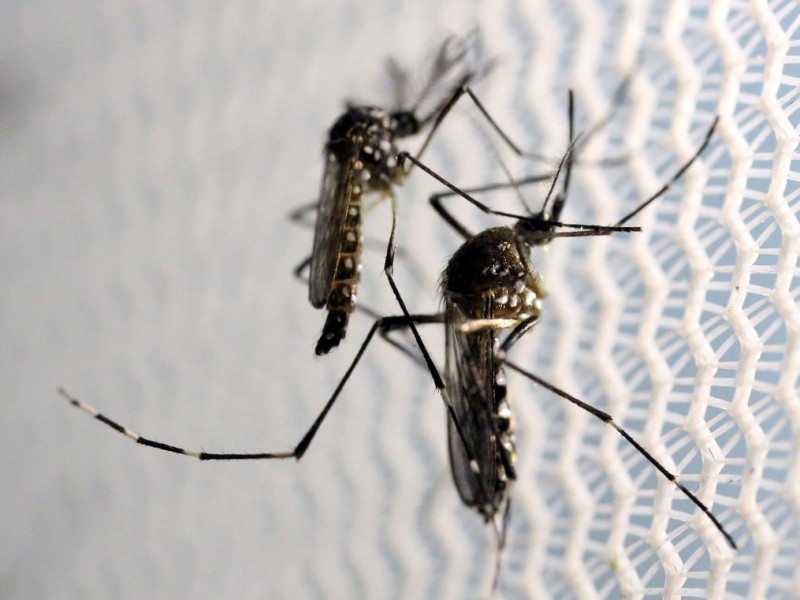
ALBANY — Although Zika, which is spread mostly by the bite of an infected Aedes species mosquito, has not been transmitted locally in Georgia, the recent outbreak of Zika in Florida has Southwest Georgia public health experts preparing for that possibility.
“Residents want to know their risk and what is being done locally to prepare if mosquitoes in our area start to infect people with Zika,” said Southwest Public Health District Director Dr. Charles Ruis in a recent news release. “It is important to know that the majority of people who get Zika – around 80 percent – experience mild or no symptoms.”
Ruis said the health district is in the process of sending out Zika updates and guidelines to educational institutions, health care providers and other organizations in the area.
“We want to ensure our partners have the most recent information about this infection available, and to encourage them to call us with questions,” he said. “We urge people to educate themselves about Zika by following Southwest Georgia Public Health on our Facebook page, through the media or by going to www.cdc.gov.
“Because the situation is changing almost daily, it is important to check back frequently. Your local health department also has Zika educational information they will be happy to share.”
Symptoms of Zika include fever, rash, joint pain, red eyes, muscle pain and headache. Until last month, local transmission — cases in which the virus has been transmitted directly from a mosquito in the immediate area — of Zika had been in South America, Central America, Pacific Island and Caribbean countries.
Florida Department of Health officials said there have been 21 locally transmitted cases found in the southern part of the state as of Tuesday. There were also reports on Tuesday of an infant in Texas who had died after being exposed when the child’s mother traveled to Latin America during pregnancy.
Pregnant women and individuals of child-bearing age are among those considered high-risk for Zika infection.
“Zika infection during pregnancy can cause a serious birth defect called microcephaly that is a sign of incomplete brain development,” Ruis said. “Research has also shown other problems in pregnancies and among fetuses and infants infected with Zika virus before birth.
“There is no vaccine to protect against Zika. The best protection is to avoid being bitten by mosquitoes.”
Health officials recommend using an Environmental Protection Agency-registered insect repellent with the active ingredients of DEET, picaridin, oil of lemon eucalyptus, para-menthane-diol or IR3535 — which are safe for pregnant and breastfeeding women — and to follow the instructions on the product label. Other tips include wearing long pants and long sleeves, repairing damaged screens on doors and windows and cutting back overgrown bushes.
The Southwest Public Health District is promoting the “Tip n’ Toss” campaign, a movement encouraging people to eliminate standing water on their properties at least once a week to prevent mosquito breeding. A vector surveillance specialist located in the health district is monitoring mosquito populations for disease-carrying insects, Ruis said.
“These specialists are located throughout the state,” he said. “Like Florida, Georgia Public Health also has an emergency response plan in place that includes environmental health specialists who will quickly respond to any Georgia location where a resident gets infected with Zika from the bite of a mosquito.”
Health officials said Zika can also be passed through intercourse from an infected person to his or her partners, and is believed to stay in bodily fluids — such as semen — longer than in the blood.
“Sex includes vaginal, anal or oral sex,” he said. “Zika can be passed from a person before their symptoms start, while they have symptoms and after their symptoms end.”
He said condoms and other barrier methods can reduce the chance of getting Zika from sex.
“This is especially important if your partner is pregnant,” Ruis said, citing guidelines for couples who live in or have traveled to an area with Zika.
As of Friday, the Georgia Department of Public Health was reporting 51 travel-related cases of Zika in the state. The Centers for Disease Control and Prevention was reporting 1,818 travel-associated cases and one laboratory-acquired case within the United States, and 5,525 locally-acquired cases and 23 travel-associated cases in the nation’s territories as of Aug. 3.
More information for couples who were in an area with Zika and who may be considering starting families, or who are concerned about sexual transmission, is at cdc.gov/zika/prevention/protect-yourself-during-sex.html. The areas impacted by Zika are listed at cdc.gov/zika/geo/index.html, and the site is updated frequently.
Related Articles

Albany teen, 16, makes bodybuilding debut at Atlanta OCB Pro/Am
Crockett, an Albany resident and student at Albany Technical College Academy, placed second in the teen bikini division this weekend at the OCB Immortal Muscle Pro/Am Bodybuilding Competition in Atlanta, becoming the youngest competitor across all categories at the event.
Phoebe opens new urgent care clinic in Camilla
Phoebe Putney Health System has expanded its network of urgent care clinics by opening a new location in Camilla.
Colquitt Regional introduces new heart failure treatment
Colquitt Regional Medical Center recently announced a major advancement in its cardiac care services with the introduction of the biventricular implantable cardiac device (ICD)
