
Pet escape, injury common during Fourth of July festivities due to fireworks
Sedatives, thunder jackets recommended for pets prone to fireworks anxiety
By Jennifer Parks
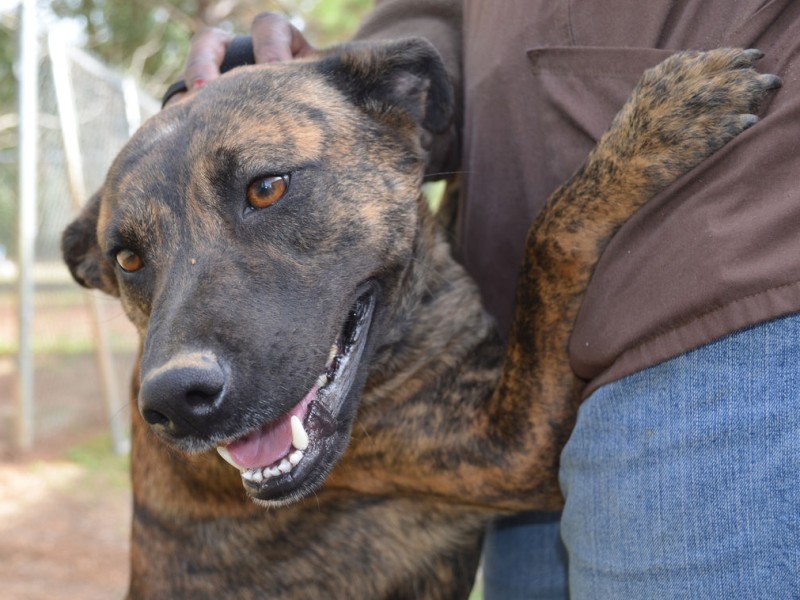
ALBANY — A common cause of pet injury and even escape, especially during holiday celebrations, is the fear of fireworks. With Independence Day nearing, there are things pet owners can do to lessen their animals’ anxiety.
Judy Senkbeil, manager of the Magnolia Pet Resort and Spa in Leesburg, said her center is far enough away from large celebrations that the animals staying there do not often have significant problems. But she said the issue impacts her staff.
“We do get stressed-out animals, and if someone shot off fireworks (nearby), the dogs would be barking, but you would not know what they are barking at,” she said.
Senkbeil said she has dogs of her own at home that do get stressed, and she has worked with veterinarians who have seen the problem. Her recommendations include giving Benadryl to a dog with a vet’s approval, turning the TV up and investing in a thunder jacket.
A thunder jacket is meant to apply a gentle and constant pressure on a pet’s torso to relieve anxiety.
“It is a very tight-fitting jacket,” Senkbeil said. “I definitely recommend those.”
She also said it is helpful to have pets who are likely to get scared in the house, and to talk gently to them and hold them close. A sedative can often help as well, she said.
“It is just loud,” she said. “Just about everything in nature (is) afraid of loud noises. They (pets) are susceptible just like everything else.
“(I recommend) just a lot of love and understanding. Just be patient with them, (express) love and affection.”
Dr. Ivy Chupp of Bush Animal Clinic said pet owners should keep in mind that dogs and cats do get scared, and that they are likely to escape even from fences or crates, depending on how frightened they are.
“If they are outside (pets), bring them in,” she said. “(Inside), they are in a safe area and you can comfort them.”
A pet prone to severe anxiety would benefit from their owners calling their vet in order to get anti-anxiety medication that can be given to an animal about an hour before it is needed, Chupp added.
The veterinarian said some dogs may need a sedative, and that it is common for animals to come into the vet’s office immediately after the holiday due to lacerations or ripped toenails they receive after trying to escape the loud noise of fireworks.
Chupp said the reaction of an animal can be hard to predict. Some have a more laid-back personality than others. Animals hearing fireworks for the first time might get scared and be fine in later years, and others who have been fine in previous years could react differently this year.
“If you can be home with them and can be with them, that is safest,” she said.
Fireworks are more common in Georgia neighborhoods now that they are legal, and it is harder for an individual and their pet to get away from the noise, no matter where they are. Consequently, Bush Animal Clinic is talking to pet owners about the issue much more these days.
“(Before fireworks were legalized), they were not worried about it unless they were near the big downtown fireworks,” Chupp said.
The American Society for the Prevention of Cruelty to Animals recommends additional safety for Fourth of July events, including:
— Never leave alcoholic drinks unattended where pets can reach them. If ingested, the animal could become intoxicated and weak, severely depressed or could go into a coma. Death from respiratory failure is also a possibility.
— Do not apply sunscreen or insect repellent products to pets not labeled specifically for use on animals. Ingestion of sunscreen products can result in drooling, vomiting, diarrhea, excessive thirst and lethargy. The misuse of insect repellent that contains DEET can lead to neurological problems.
— Always keep matches and lighter fluid out of reach. Certain types of matches contain chlorates, which could potentially damage blood cells and result in difficulty breathing or kidney disease in severe cases. Lighter fluid can be irritating to skin, and if ingested can produce gastrointestinal irritation and central nervous system depression. If lighter fluid is inhaled, aspiration pneumonia and breathing problems could develop.
— Keep pets on their normal diet. Any change, even for one meal, can result in severe indigestion and diarrhea. This is particularly true for older animals that have more delicate digestive systems and nutritional requirements. Foods such as onions, chocolate, coffee, avocado, grapes, raisins, salt and yeast dough can all be potentially toxic to animals.
— Do not put glow jewelry on pets or allow them to play with it. The luminescent substance contained in these products is not highly toxic, but excessive drooling and gastrointestinal irritation could still result from ingestions, and intestinal blockage could occur from swallowing large pieces of the plastic containers.
— Keep citronella candles, insect coils and tiki torch oil products out of reach. Ingestion can produce stomach irritation and possibly central nervous system depression. If inhaled, the oils could cause aspiration pneumonia in pets.
— Never use fireworks around pets. Exposure to lit fireworks can potentially result in severe burns and/or trauma to the face and paws of curious pets, and unused fireworks can pose a danger. Many types contain potentially toxic substances, including potassium nitrate, arsenic and other heavy metals.
— Resist the urge to take pets to Independence Day festivities and opt instead to keep them safe from the noise in a quiet, sheltered and escape-proof area at home.
— Be prepared in the event of a pet’s escape by investing in a personalized missing pet recovery kit and keep pets’ tags up to date.
Related Articles
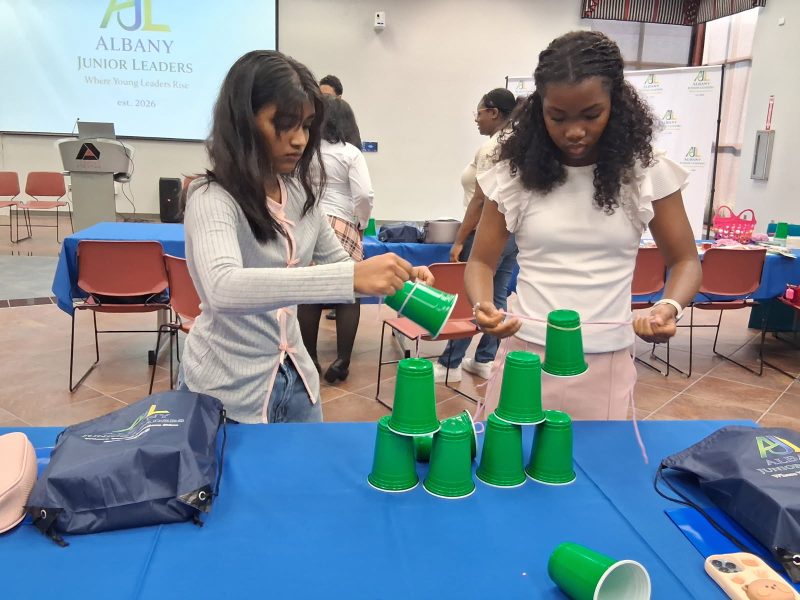
Adult leadership group spreads concept to high school students
“The purpose of Albany Junior Leaders is to pull together leaders from all over the community. We wanted to give these youth the same experience and the same exposure we’re getting in Leadership Albany.”
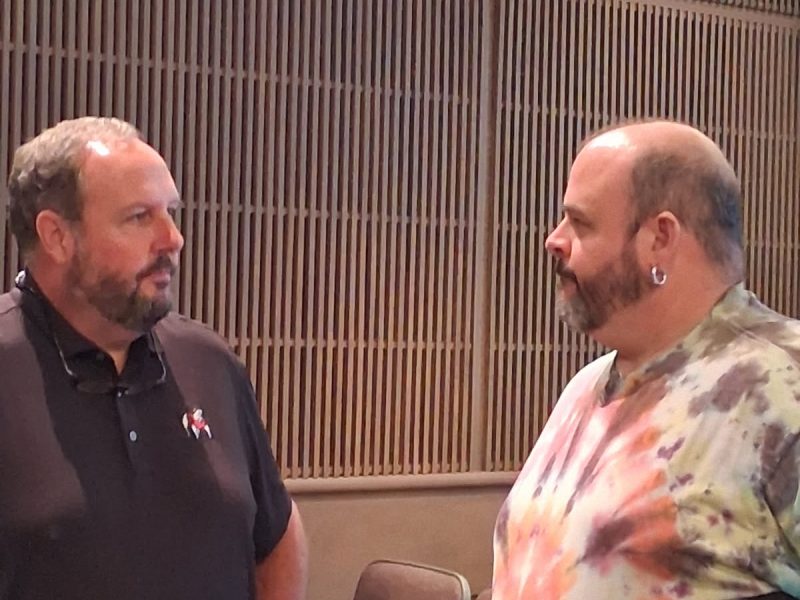
Albany/Dougherty County among local governments looking at data centers
“Our understanding is that data center developments look like an easy fix for the problems that face rural America, but this is a Faustian deal at best. You can see the effects in communities across the state and country.
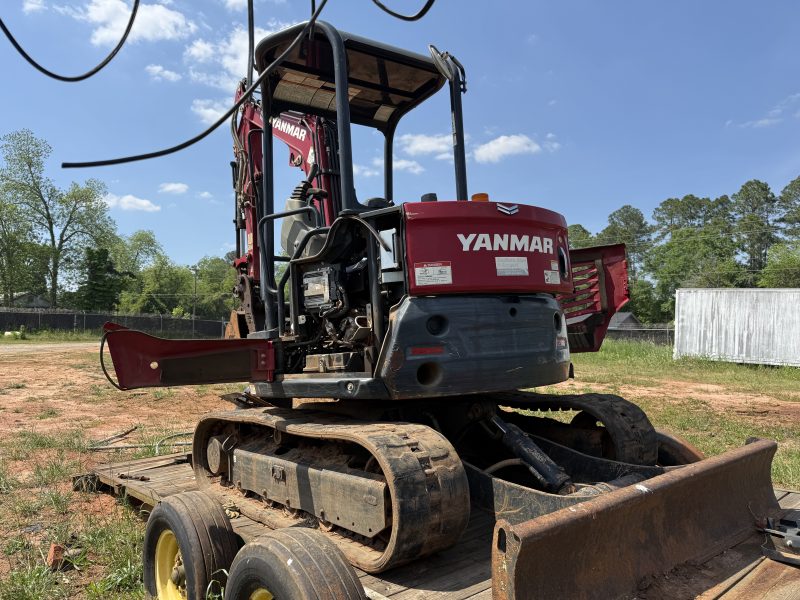
Dawson approves $68K excavator purchase after months of contradictory public statements
The decision concludes one portion of a controversy that has generated months of public scrutiny but leaves several unanswered questions regarding how the city’s original machine was damaged, whether employees were held accountable and what documentation supports the decision to replace rather than repair it.
